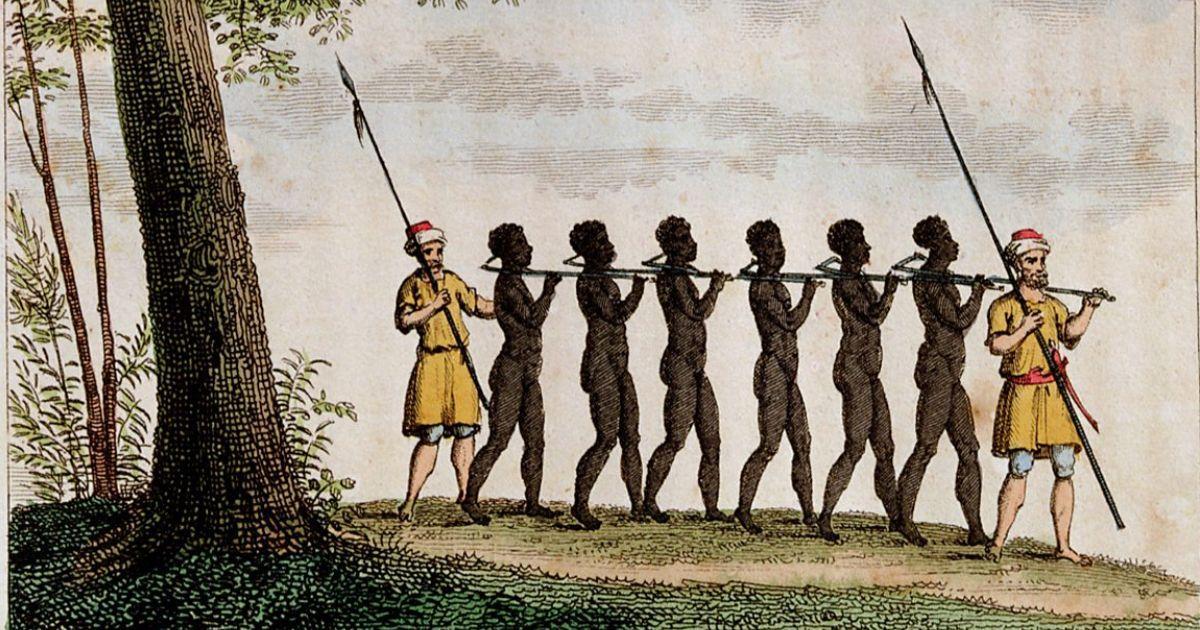
Africa-Press – Sierra-Leone. Sierra Leone joined a global majority at the United Nations General Assembly to adopt resolution A/80/L.48, formally declaring the transatlantic trafficking and racialized chattel enslavement of Africans as the “gravest crime against humanity.”
According to the official UN voting record from March 25, 2026, the resolution passed with 122 votes in favor, 3 against (the United States, Argentina, and Israel), and 52 abstentions. Sierra Leone registered a “Yes” vote, aligning with the broader African Group and Global South.
For Sierra Leone, the resolution carries profound historical resonance. The nation’s coast was home to Bunce Island, a major slave-trading fortress in the transatlantic system where tens of thousands of Africans were held before enduring the Middle Passage. Conversely, the capital, Freetown—historically known as the “Province of Freedom”—was established by freed slaves and recaptives.
Advocates view the UN’s declaration as a global acknowledgment that the transatlantic slave trade was not merely a commercial enterprise, but a state-sponsored system whose impacts continue to shape the socioeconomic realities of people of African descent today.
The text goes beyond a symbolic condemnation of the 400-year practice. It establishes the following frameworks:
International Law: Recognizes the crime as a violation of jus cogens (peremptory norms of international law from which no state may derogate).
Systemic Impact: Explicitly links historical enslavement to the structural racism, underdevelopment, and inequalities currently affecting the African diaspora.
Reparatory Justice: Calls for concrete actions, including full and formal apologies, the restitution of cultural artifacts, compensation, rehabilitation, and guarantees of non-repetition.
The resolution’s preamble notably traces the legal architecture of enslavement, citing the papal bulls of 1452 and 1455, the Barbados Slave Code of 1661, the French Code Noir of 1685, and the Virginia partus sequitur ventrem principle of 1662, which made the enslaved status biologically inheritable.
The initiative was championed by Ghana’s President John Mahama on behalf of the African Group, with backing from the African Union (AU) and the Caribbean Community (CARICOM). Supporters framed the resolution as a demand for a fairer international order and a necessary step toward reparatory justice.
Opposition and abstentions largely came from wealthy, developed nations. The United States, one of the three nations to vote against the measure, argued against the legal right to reparations for actions that were not technically illegal under international law at the time they occurred. Meanwhile, European Union member states largely abstained, citing procedural technicalities and discomfort with the term “gravest.”
For More News And Analysis About Sierra-Leone Follow Africa-Press