Africa-Press – South-Africa. South Africa’s government needs to accelerate the implementation of its existing reform programme to increase private investment in key sectors of the economy.
This needs to be coupled with efforts to maintain low, stable inflation and to improve the government’s financial health and sustainability.
Key to this progress is the National Treasury’s highly effective Operation Vulindlela, which is working on removing constraints to economic growth.
If this task team achieves its targets, South Africa’s economic growth rate can surge beyond 3% per annum, making a significant dent in unemployment and the government’s debt burden.
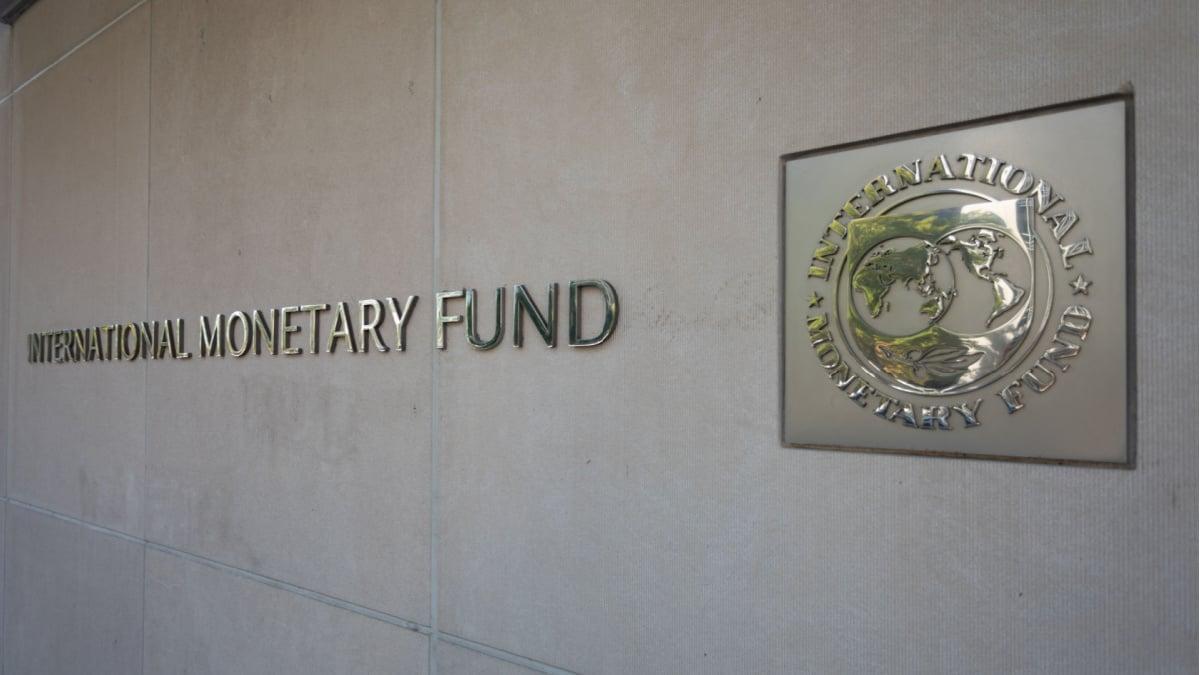
This is feedback from the International Monetary Fund’s (IMF) mission chief for South Africa, Delia Velculescu, who recently outlined what the country needs to do to capitalise on the momentum it gained towards the end of 2025.
Velculescu explained that South Africa has immense economic potential, which it has failed to realise over the past decade due to various missteps.
However, in 2025, the country appears to have taken some steps in the right direction, with its reform efforts beginning to bear fruit.
“Despite the challenging global environment, South Africa’s growth improved in 2205, inflation and interest rates fell, government bond yields narrowed, and both the stock market and the rand strengthened,” Velculescu said.
“This strong performance reflects the country’s sound institutions, flexible exchange rate, abundant natural resources, and credible monetary policy framework.”
Velculescu, in particular, praised the National Treasury’s decision to adopt a lower inflation target of 3%, which has significantly bolstered the Reserve Bank’s credibility and the financial ecosystem more broadly.
This was coupled with the country’s removal from the Financial Action Task Force’s greylist and a credit rating upgrade from S&P Global.
All of this combined to boost investor confidence and, thus, economic growth. However, fixed investment in equipment, machinery, and infrastructure remains lacklustre.
This means that while South Africa’s economic growth rate improved, it has not been sufficient to meaningfully improve citizens’ lives, reduce unemployment, or improve the state’s finances.
Furthermore, fixed investment is crucial for sustained economic growth. South Africa’s current growth is driven by cyclical factors, such as commodity prices and low interest rates, which will reverse at some point.
What South Africa must do
It is crucial that South Africa capitalises on improving investor sentiment towards the country and on positive developments in financial markets.
Velculescu explained that a lower inflation target can have immense beneficial effects, but will not be enough to sustain elevated economic growth on its own.
A lower inflation target is likely to result in a more stable rand and lower borrowing costs for individuals, businesses, and the government. This encourages investment and growth, while improving the state’s financial stability.
To capitalise on this, Velculescu said that the government needs to continue implementing its reform agenda to increase private participation in the economy and improve its financial health.
“South Africa has achieved significant progress in advancing key structural reforms through Operation Vulindlela, which targets key constraints to growth,” Velculescu said.
In the electricity sector, these reforms have stabilised power supply through increased private participation and generated significant investment opportunities.
A similar process is occurring within the logistics sector, albeit at a slower rate, with Transnet’s monopoly set to be opened up to private investment and competition.
“We support the reforms implemented so far. Continued, resolute implementation of these sectoral reforms remains crucial, as reliable electricity, railways, ports, and water infrastructure are fundamental for consumers and the economy,” Velculescu said.
“We also recommend a comprehensive package of cross-sectoral reforms to improve the business environment, address governance challenges and corruption, while increasing labour market flexibility.”
Velculescu explained that doing this could significantly increase South Africa’s economic growth and begin to make an impact on the country’s unemployment crisis.
“Our analysis indicates that closing half of the gap between South Africa and emerging market best practices in these areas could result in an increase in real output of up to 9% over the medium term,” Velculescu said.
“This may support annual growth rates of up to 3%, facilitating more sustainable reductions in unemployment and public debt.”
For More News And Analysis About South-Africa Follow Africa-Press