Africa-Press – South-Africa. Allan Gray’s head of tax, Carla Rossouw, explained that bracket creep is a measure for the National Treasury to collect more tax without people noticing.
Bracket creep is where inflation pushes taxpayers into higher income tax brackets, effectively resulting in a tax increase without any change in tax laws.
It’s a silent way for governments to increase tax revenue, as nominal wages grow to keep up with the rising cost of living.
However, it goes beyond just paying higher taxes. After paying more tax, they may actually have less purchasing power than they did before the raise.
The government likes bracket creep because it collects more tax revenue in real terms without having to vote on a politically unpopular tax hike.
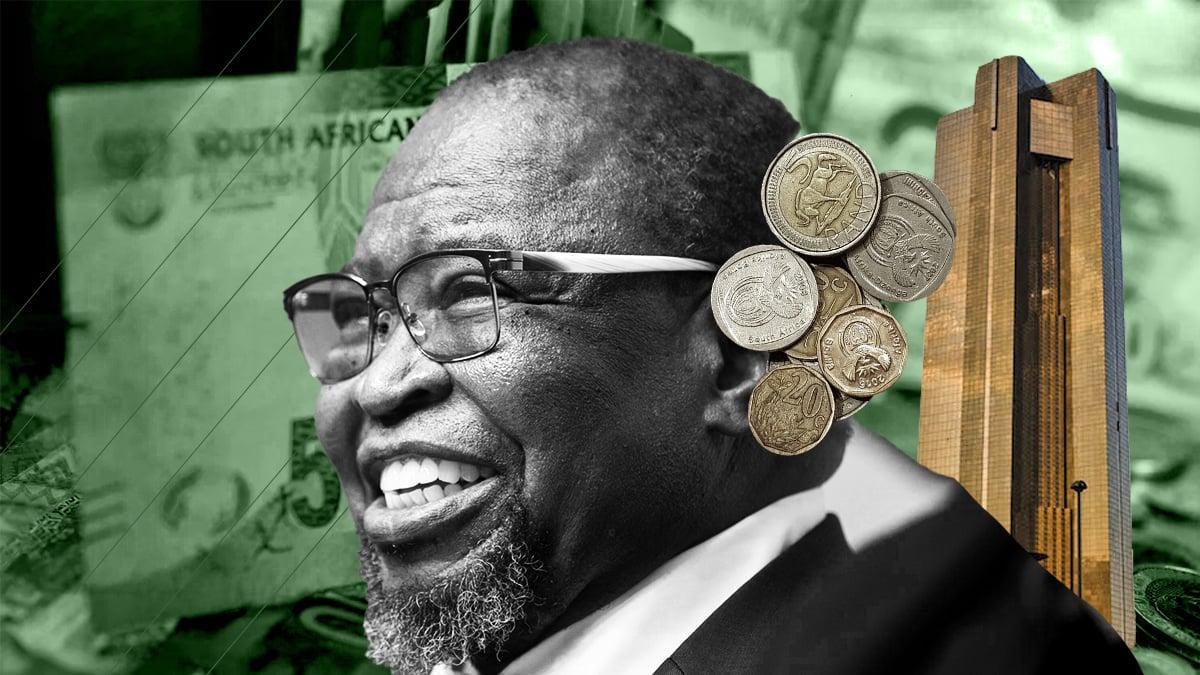
Finance Minister Enoch Godongwana is scheduled to deliver the 2026 Budget Speech on Wednesday, 25 February 2026.
South African taxpayers and businesses will follow his speech carefully to see whether there will be tax increases.
Rossouw explained that, over the last few years, low economic growth has made spending cuts and legislated tax increases unfeasible.
To compensate for this, the Finance Minister has opted to raise additional revenue by making little to no adjustments to the personal income tax brackets.
“Bracket creep is a deliberate yet simple measure for the National Treasury to collect more revenue in a way that is uncontested and largely unnoticed,” she said.
“Stagnant tax tables may appear to be a reason to celebrate, but in fact have an impact on the average South African taxpayer’s take-home pay.”
She added that while bracket creep is not new, the compounding effect over several years is significant.
Understanding bracket creep
Allan Gray’s head of tax, Carla Rossouw
Rossouw explained that inflation-related salary increases are typically intended to preserve purchasing power.
However, in a year of unchanged tax brackets, even a modest adjustment can push earners into a higher bracket.
“This means a disproportionate share of their increase is taxed away,” Rossouw explained in a press statement.
“Many taxpayers are shifted upward simply due to inflation-linked increases. Without relief in the tax tables, an inflation adjustment can leave you poorer in real terms.”
Rossouw said South Africa has a progressive tax system where those with greater resources contribute more to public services and infrastructure.
However, with bracket creep, it has the opposite effect where low- to middle-income earners are hit the hardest.
This is because they are pushed into higher brackets. In addition, many taxpayers who previously fell just below the tax threshold now have to pay Pay As You Earn (PAYE).
“Bracket creep widens the tax net, with more people shifted over the monetary threshold when PAYE becomes due and payable,” she explained.
She said there are practical steps to lessen the impact of bracket creep and ensure people do not pay too much tax.
One way is to reduce their taxable income by maximising contributions to tax-efficient investment vehicles, such as retirement funds.
Contributions to tax-free investment accounts, made with after-tax income, allow people to benefit from tax savings on their investment returns.
She also advised people to keep bracket creep in mind when negotiating annual salary increases.
“Annual adjustments that beat both inflation and the effects of bracket creep assist in retaining real purchasing power,” she said.
Monthly reduction in purchasing power
Mr X’s income and tax for the 2024/2025 tax year
For More News And Analysis About South-Africa Follow Africa-Press