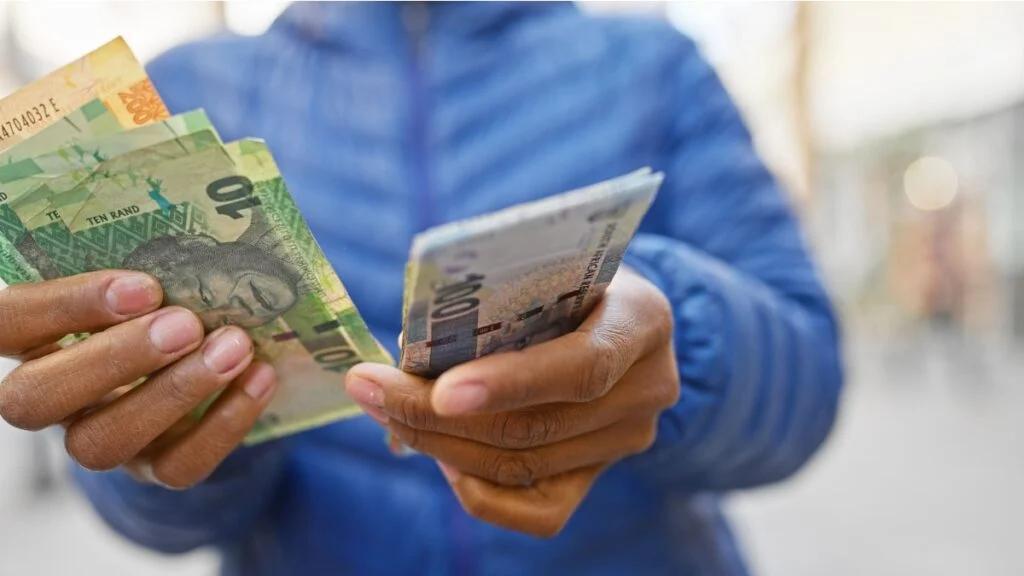
Africa-Press – South-Africa. Virtual cards and digital wallets are now the preferred payment method for South Africans, with cash use steadily declining and physical card usage growth flatlining.
This has been driven by the rise in online shopping and the increased prevalence of Apple Pay, Google Pay, and other cash alternatives.
Financial institutions have also worked hard to remove some of the barriers to using digital payment methods, such as high fees, immediacy, and safety concerns.
Discovery Bank and Visa revealed that 94% of South Africans prefer to pay by card or digitally, according to the latest SpendTrend report released on 23 April.
This report was compiled using the spending data available to Discovery Bank and Visa, as well as a consumer survey across South Africa’s three major metros and three secondary cities.
This led Discovery Bank CEO Hylton Kallner to declare that cards and digital payment methods are now the everyday default in South Africa, with cash usage becoming increasingly situational.
Data shows that cash use remains broadly steady year-on-year in South Africa, but its role is narrowing to specific, practical use cases where digital alternatives fall short.
64% of South Africans use cash only a few times a month, which is down from 67% in the previous SpendTrend report. Meanwhile, 23% use cash once a month or never.
Kallner said this pattern suggests that cash is no longer the default option, but rather a fallback when digital alternatives cannot be used.
South Africans are also increasingly expectant of a cashless future, with a third of respondents believing the country is already cashless or will be in two years’ time.
Over half of respondents believe the country will be cashless in five years. A quarter of all respondents from Pretoria believe the city is cashless, with 20% of Joburgers and Capetonians believing their cities are cashless.
Kallner explained that technology is driving this shift, with artificial intelligence-powered fraud detection and real-time security capabilities giving consumers greater confidence to transact digitally.
He pointed out that trust in secure digital channels continues to grow, supported by the wider adoption of virtual cards and digital wallets.
Where cash still matters
There are still some significant hurdles to widespread adoption of digital payments and the complete end of cash in South Africa.
Cash remains relevant for specific use cases such as taxis, tipping, and situations where digital acceptance is limited.
Many still tip waiters, car guards, or delivery drivers in cash, with many recipients preferring the immediacy of cash.
This is one of the hurdles that technology is helping to solve, with digital payments becoming increasingly instantaneous and frictionless.
However, a challenge that South Africa still faces is the relatively high fees associated with digital transactions in many forms.
While small percentage-wise, South Africans do still feel that some of their money is being eaten away by fees each time they transact.
Nearly a quarter of respondents still point to elevated transaction fees as the main hurdle to adopting cards or digital payment methods.
This is a more difficult challenge to solve, with the Reserve Bank stepping in through PayShap and other interventions to make digital transactions easier and cheaper.
The central bank is also increasingly looking to roll out white-label ATMs to ease cash handling and make cash deposits cheaper in South Africa, thereby taking cash out of circulation.
Data from Discovery Bank and Visa shows that cards and digital payments are also limited in South Africa by connectivity issues, with most individuals switching to cash when card machines fail.
Kallner also noted that many use cash as a physical budgeting tool, with it being easier to track flows and spending habits. Others still use cash for privacy, since it is seen as untraceable by financial institutions.
This is a headache for companies like Discovery Bank, which want individuals to use their cards and digital payment options so they can have data on customer spending.
Collecting this data helps the bank tailor its products and services to consumers, detect fraud using machine learning, and help individuals budget more effectively.
Kallner said that to reduce cash usage in the economy, there has to be greater acceptance of card and digital payments. This includes informal traders, car guards, taxis, and spaza shops.
For More News And Analysis About South-Africa Follow Africa-Press