Africa-Press – South-Africa. An improved credit rating could save the government roughly R30 billion on interest payments over the next five years, enough to build around 10 district hospitals.
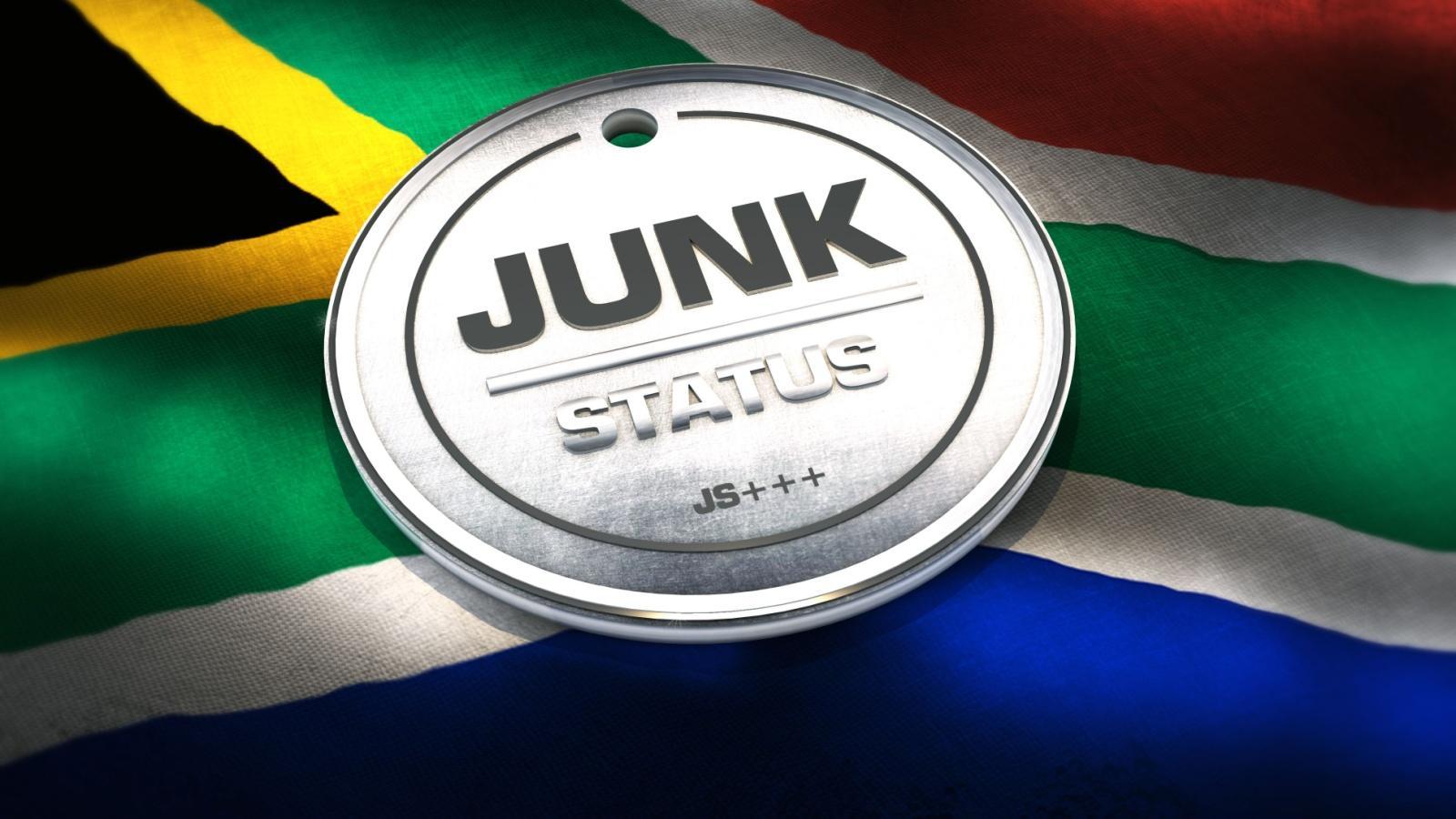
However, for the time being, South Africa will remain stuck in “junk status” territory, where it has been since 2020, as rating agencies remain sceptical of the country’s economic turnaround.
Luckily, South Africa is turning a positive corner and has built a solid platform for economic growth, which should translate into credit rating upgrades and an eventual escape from junk status later down the line.
This was explained by Business Leadership South Africa (BLSA) in its latest Position Paper on South Africa’s Sovereign Credit Rating.
In this paper, BLSA explained that South Africa has faced multiple credit rating downgrades from major agencies, including S&P Global, Fitch, and Moody’s, since 2012.
These downgrades culminated in the country’s sovereign rating being classified as “junk” or sub-investment grade by all three of these agencies in 2020.
“This has had detrimental implications for the country, resulting in higher borrowing costs, decreased investor confidence and a pivot of funds away from South African investments,” BLSA said.
One of the biggest impacts of South Africa’s “junk” status is the high borrowing costs the government must pay each year.
Credit ratings significantly influence the risk premium a country must pay when borrowing money. A lower rating increases the risk premium, thereby raising the cost of capital.
BLSA explained that, in South Africa’s case, an improved credit rating could save the government around R30 billion over the next five years in interest payments.
“For instance, if freed up, these savings could be invested into the development of 10 district hospitals,” the organisation said.
“Lowering borrowing costs, therefore, creates financial space to support economic growth and social progress.”
“This highlights the important role that sovereign ratings play in enabling countries to fund their development more sustainably.”
What is keeping South Africa in “junk”
BLSA explained that credit rating agencies have broadly pointed to three factors as the reasons for South Africa’s credit rating downgrades since 2012.
The first is persistently low real GDP growth, with South Africa declining from an expansion of 2.5% in 2013 to around 1% for the 11 years after.
This low GDP growth coincided with an increase in unemployment from 26.7% in 2016 to 31.9% towards the end of 2025, as well as a rise in poverty and inequality.
The second factor is South Africa’s deteriorating public finances. BLSA said the state’s debt-to-GDP ratio, in particular, has significantly worsened over the past decade.
This ratio climbed from 35% in 2012 to 78.9% in the 2025/26 financial year, as the government ran persistent budget deficits.
BLSA pointed out that, over the past decade, South Africa has averaged a budget deficit of approximately 5%, with every fiscal year ending in deficit.
This can largely be attributed to the financial difficulties stemming from state-owned enterprises, which have exacerbated public finance deterioration through massive bailouts and rising contingent liabilities.
The final factor is political instability, with South Africa’s political environment having been marked by cabinet reshuffles and tensions among leaders, which, in turn, created governance and policy effectiveness challenges.
“Together, these themes underscore the complex interplay of economic and political factors contributing to South Africa’s sovereign credit rating challenges,” BLSA said.
However, positively, BLSA said South Africa has made some progress in improving all three of these and other factors over the past few years.
While the Middle East war presents a significant risk to the world and South Africa’s growth outlook, the country’s growth is broadly expected to lift in the coming years.
This growth will be driven by ongoing reforms in the energy and logistics sectors, with progress already made in terms of stabilising electricity supply and partnering with the private sector to improve South Africa’s logistics efficiency.
In addition, while South Africa’s debt-to-GDP ratio is unsustainably high, it is expected to stabilise in the 2025/26 financial year.
The government has also posted two successive budget surpluses in 2023/24 and 2024/25, with another expected for 2025/26, driven by the National Treasury’s commitment to fiscal consolidation and economic reforms.
At the same time, BLSA said South Africa is making significant strides to bolster political stability and combat corruption.
“While the path to improving South Africa’s sovereign credit ratings is not without challenges, a steadfast commitment to reform, proactive engagement, and strategic partnerships can foster a favourable environment for economic recovery and sustainability,” BLSA said.
“By addressing these areas, South Africa can work towards regaining its investment-grade status, unlocking the economic potential necessary for its future.”
South Africa’s improved trajectory has already been acknowledged by credit rating agencies, with S&P upgrading the country’s rating in November 2025 with a positive outlook.
For More News And Analysis About South-Africa Follow Africa-Press