Africa-Press – South-Africa. Electricity price increases over the next few years are expected to be much higher than originally planned, with consumers set to continue facing major price hikes.
This comes as South Africans are already paying 85% more for electricity than five years ago, with the price growth of this resource far exceeding inflation of 30% over the period.
According to the Competition Commission’s latest Cost of Living Report, the above-inflation growth in electricity prices has significantly intensified the cost burden on South African households.
The commission explained that the persistence of these increases reflects deeper structural challenges within the utility sector.
This includes ageing infrastructure, high debt burdens, operational inefficiencies, and the need for ongoing capital investment to stabilise service delivery.
Concerningly, the commission said recent policy developments indicate that these upward tariff pressures are unlikely to abate in the near term.
Electricity price increases, in particular, are set to be much higher than originally planned, the commission said.
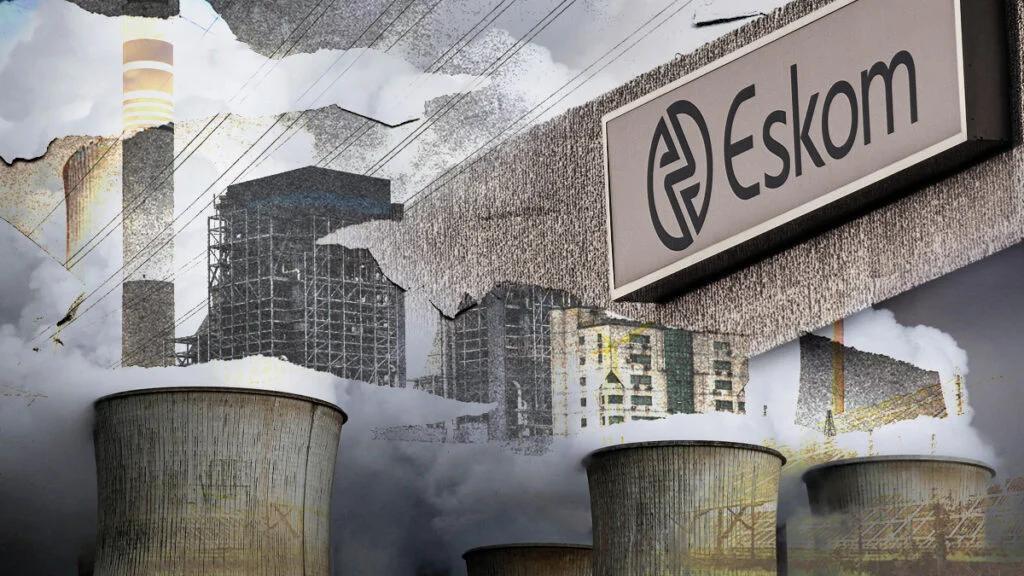
“This stems from an error by the National Energy Regulator of South Africa (NERSA), which resulted in an under-calculation of Eskom’s costs by approximately R54 billion,” it explained.
Correcting this error will require an 18% increase in electricity prices over the next two years.
“This means consumers are likely to continue facing significant price hikes for electricity over the next few years,” the commission warned.
While some reforms in the energy sector are underway, the Competition Commission said they also signal continued reliance on tariff adjustments to support cost recovery.
“Media reporting and regulatory outcomes similarly point to successive electricity tariff increases approved by NERSA, reflecting ongoing funding requirements within the sector and operational pressures faced by utilities such as Eskom,” it said.
The commission’s report showed that South African household spending on electricity currently accounts for the second-largest share of spending, just below food.
“Notably, spending on electricity exceeds expenditure on several other essential goods and services,” the commission pointed out.
This includes spending on maize meal, brown bread, and minibus taxi fares. “This highlights the disproportionate burden of electricity on already constrained household budgets,” it said.
The graph below, courtesy of the Competition Commission, shows that electricity and water prices have significantly outpaced inflation over the past decade.
Inflation concerns
Administered prices, which refer to those set by municipalities and state-owned enterprises, have become a concerning inflationary pressure over the past decade.
In the Reserve Bank’s Quarterly Bulletin released in March 2026, it explained that annual average administered price inflation decelerated from 5.3% in 2024 to 3.2% in 2025.
This deceleration reflects the pronounced deflationary trend in fuel prices during most of 2025.
In contrast, administered price inflation rose steadily from -0.3% in May 2025 to 6.0% in October, primarily driven by higher water supply tariffs and less deflated fuel prices.
The Reserve Bank pointed out that, when excluding fuel prices, administered price inflation was considerably higher but nevertheless slowed to 6.5% in February 2026.
This, the central bank said, reflected the impact of higher water tariffs and elevated electricity price inflation.
When excluding both fuel and electricity prices, administered price inflation stood at 4.8% in February 2026.
The Reserve Bank’s December 2025 Quarterly Bulletin showed that electricity accounted for 26.7 points in the administered price index.
Rising electricity prices present a significant inflationary pressure in South Africa, as these costs also filter through production and distribution channels.
This means that rising electricity prices contribute to broader inflationary pressures across goods and services, further burdening South African households.
“Beyond the household bill, rising electricity costs filter through to food prices, transport costs, and small business expenses, amplifying cost-of-living pressures across the economy,” the Competition Commission said.
“While ongoing energy sector reforms are essential for improving supply reliability and long-term sustainability, it is also important to ensure that the cost of electricity comes down both for households and businesses.”
The Competition Commission also outlined how electricity tariffs are determined in South Africa, noting that the process occurs across two interconnected regulatory stages.
Firstly, Eskom uses its Multi-Year Price Determination framework to calculate the tariffs it will charge bulk suppliers, such as municipalities.
Then, municipalities, which are responsible for electricity distribution, will set the retail tariffs they charge households and businesses.
“Although both processes are subject to oversight by NERSA, they operate under distinct methodologies and institutional incentives,” the commission explained.
“The interaction between these regulatory layers ultimately determines the electricity prices faced by households and businesses and shapes the transmission of electricity cost pressures across the broader economy.”
For More News And Analysis About South-Africa Follow Africa-Press