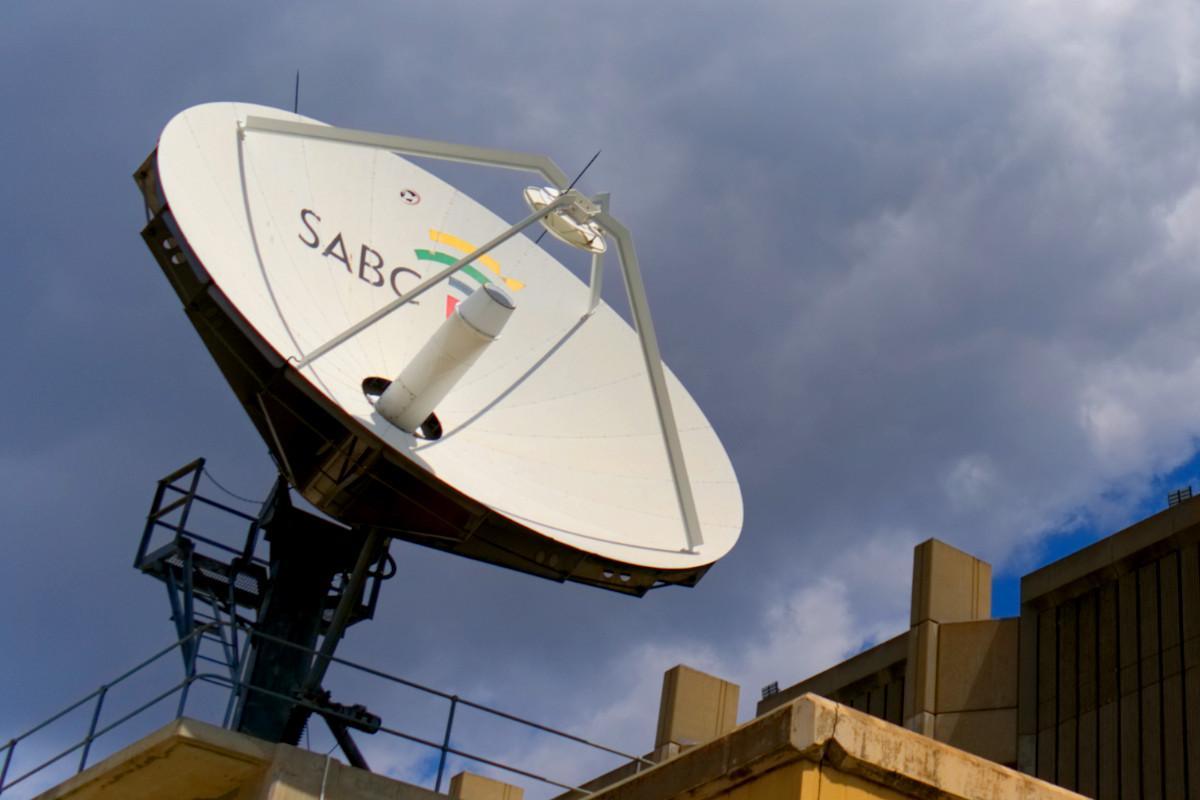
Africa-Press – South-Africa. Media watchdogs are raising concerns about the future of South Africa’s public broadcaster, warning that the SABC Bill is being expedited through parliament without giving due attention to the funding issues that have been plaguing the broadcaster, possibly jeopardising its independence in the process.
The SOS Support Public Broadcasting Coalition, Media Monitoring Africa, the SANEF and other media groups are urging the Department of Communications and Digital Technologies (DCDT) to withdraw the SABC Bill and redraft the sections that are problematic.
If passed in its current form, watchdogs like SOS Support Public Broadcasting Coalition argue that “the SABC Bill should ideally provide solutions for the SABC’s ongoing challenges, instead it undermines its independence thus jeopardising its ability to fulfil its mandate.”
The Bill broadly aims to implement the following:
To repeal the Broadcasting Act of 1999;
To regulate the continued existence of the South African Broadcasting Corporation SOC Ltd;
To provide for its governance;
To amend the Independent Communications Authority of South Africa Act of 2000 and the Electronic Communications Act of 2005;
To provide for matters connected therewith.
However, these have caused a major stir. “The Bill’s provisions risk exacerbating the SABC’s financial woes and perpetuating a climate of political interference,” said SOS in a statement.
Independence issues
The bill shows that the SABC aims create a subsidiary company to manage its commercial television and radio stations, seeing it operating under a new (additional) board.
South African National Editors Forum (SANEF) said in a statement that the Bill “also seeks to go back in time and undermine the SABC editorial independence by making the Chief Executive Officer (CEO) the Editor in Chief of the SABC, again.”
As such, this could see “ministerial and the political interference that we witnessed at the SABC [in the Hlaudi Motsoeneng era] and what this bill actually does is it undoes all [of the progress made since then],” said Uyanda Siyatula, managing director of SOS, in an interview with SABC.
SOS said that calls to scrap the bill are attempts “to safeguard the independence and integrity of our public broadcaster.”
“It is crucial that ahead of the upcoming elections and beyond, the public broadcaster’s editorial and institutional independence is safeguarded for the SABC to fulfil its role of deepening the country’s democracy,” said SOS, MMA and SANEF in a joint statement.
Funding issues
Additionally, the bill gives the Communications minister three years to develop a funding framework for the public broadcaster, which recorded R1.1 billion loss during the 2022/23 financial year. Currently, it has a mixed funding model, including a television licensing fee.
“The SABC has a huge public mandate,” said media expert Professor Justine Limpitlaw in a discussion with the SABC.
“A public broadcaster with that kind of big public mandate needs the public mandate funded; that has been recognized by the government for decades now… that it is not being properly publicly funded (only 3%)” she explained, alluding to how the television license collection system is too narrow and that a generalised levy is needed.
“The government had said ‘actually we support a generalised levy’… and they promised that this would be provided for in the bill [but] what do we see? Exactly the same television license and worse, the bill says [that]… [the SABC] are going to come up with a public funding [framework] but only in the next three years” in an already resourced strapped public broadcaster, explained Limpitlaw.
Siyatula said that this idea would cause further financial strain as “a funding framework is not a funding model, so that means in three years there’s going to be a funding framework that they come up with, and then it will take them I don’t know how many years to actually develop a funding model from that framework.”
“We know in the communication sector that they change ministers almost every year, so that actually just means that the SABC might not even get to have that funding model or framework or whatever they are proposing because the ministers will just keep changing, and no one will actually sit and finalise,” she added.
On Tuesday, parliament’s portfolio committee on Communications and Digital Technologies will be debating the written submission of the bill.
For More News And Analysis About South-Africa Follow Africa-Press