Africa-Press – South-Africa. South Africa’s proposed changes to its history curriculum are reigniting debate over how the country’s past should be taught in schools.
The Department of Basic Education is considering a shift away from a Eurocentric narrative towards a more Afrocentric approach, with greater focus on African empires, oral histories and liberation movements.
The changes would also move emphasis away from individual historical figures to broader concepts such as revolutions and global movements.
Move away from Eurocentric narratives
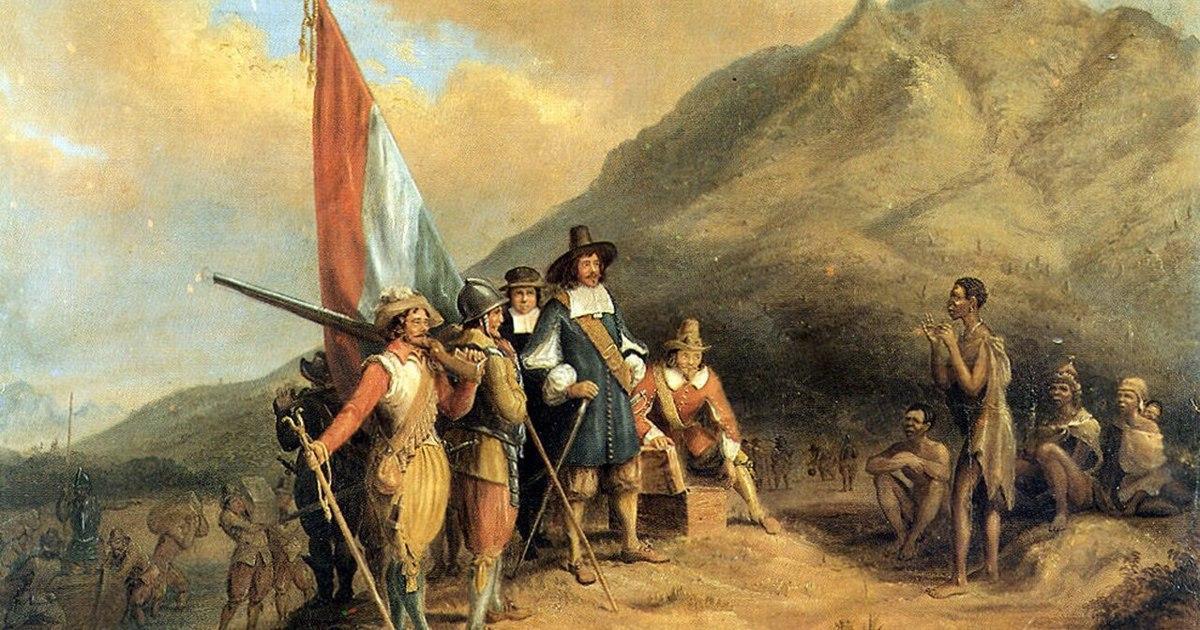
The proposed curriculum adjustments aim to reduce the dominance of figures like Jan van Riebeeck, traditionally portrayed as central to South Africa’s early history.
Journalist and author Nick Dall said the shift away from a Eurocentric narrative is not necessarily a problem.
“I definitely don’t think there’s an issue with moving away from a Eurocentric narrative in theory,” he said.
However, he cautioned that not all proposed changes are without concern, pointing to reduced emphasis on certain figures in South African history.
Concerns over how history is taught
Dall said the bigger issue may not be what is included or excluded, but how history is presented in classrooms.
He warned that many pupils view South African history as uninteresting, often preferring global topics like World War II.
“There’s an idea that South African history is boring,” he said.
He argued that the country’s past is filled with extraordinary stories that could engage learners if taught effectively.
“The stories I uncovered about South African history are so outlandish… they were facts.”
History could become a compulsory subject
One of the key proposals is to make history a compulsory subject from Grade 10 to Grade 12.
Dall described this as a positive step, saying a deeper understanding of history could help improve social cohesion.
“Understanding our history is the key to South Africa getting along a bit better,” he said.
But he warned that making history compulsory could backfire if the subject is not taught engagingly.
“If the new curriculum is sort of mired in theory… it could end up being an annoyance to students.”
Debate over individuals vs concepts
A major shift in the proposed curriculum is the move away from teaching history through individuals, towards broader concepts and themes.
Dall said storytelling remains a powerful teaching tool, particularly for younger learners.
He argued that focusing on individuals can help illustrate wider historical themes and make the subject more relatable.
“If it’s all theoretical, it’s much harder to approach,” he said.
He pointed to figures like Miriam Makeba as examples of how personal stories can bring history to life.
“Her life story will tell you the history of apartheid.”
Call for balance in new curriculum
The debate highlights a broader tension between correcting historical bias and maintaining a well-rounded global perspective.
While some have welcomed the shift towards African-centred history, concerns remain about whether it could limit learners’ understanding if not carefully balanced.
Dall said the success of the new curriculum will ultimately depend on how it is implemented in classrooms.
He stressed that South Africa’s history offers compelling, diverse stories that can engage learners, if taught in a way that resonates.
For More News And Analysis About South-Africa Follow Africa-Press