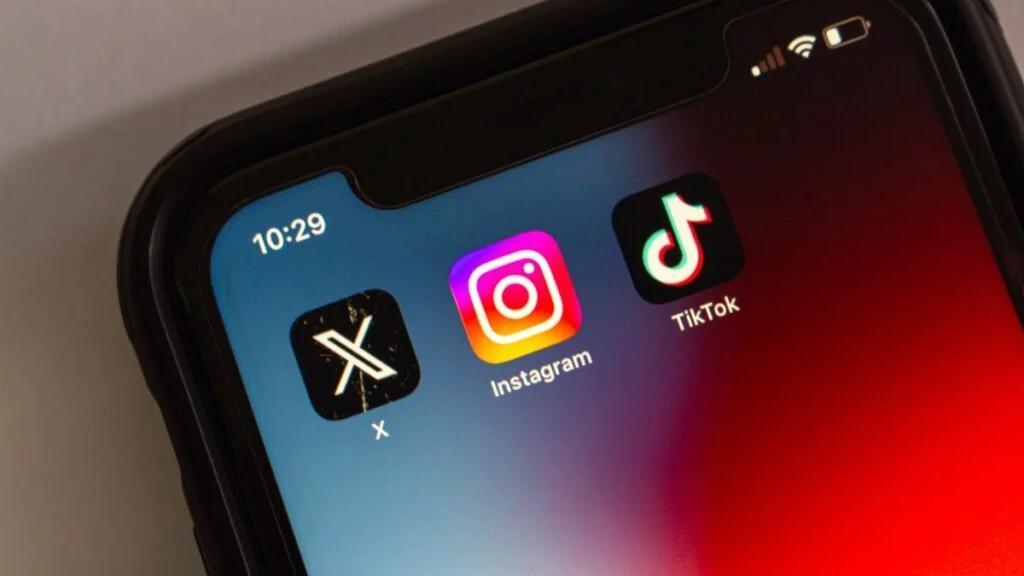
Africa-Press – South-Africa. Australia has become the first country to ban children under 16 from using social media, and experts say it’s a major change that South Africa should now consider seriously.
From 10 December, ten major platforms, including TikTok, YouTube, Facebook, Instagram, Snapchat, Reddit, and X, were ordered to block underage users or face fines of more than R550 million.
The law change has been welcomed by child-safety groups and many parents, but strongly criticised by big tech companies and free-speech advocates.
Even so, governments worldwide, including South Africa’s, are now watching closely. South African social media lawyer Lerato Ntwampe said Australia’s decision is “absolutely” something South Africa should be looking at.
She noted that discussions with local regulators have already begun. “We want immediate action and policy intervention to prioritise child safety across all social media platforms operating in South Africa,” she said.
For Ntwampe, one of Australia’s most important decisions is that parents will not be punished. “There will be no penalties for parents,” he said.
“But there will certainly be penalties and pressure for social media companies that don’t do their part.”
Ntwampe believes South Africa would need its own version of the policy, but could still learn from the Australian model.
She argued that platforms already have the technology to verify ages properly, but do not use it because they profit from young users. Children are being pulled into environments built to keep them online.
“Their information gets data mined, they’re sucked in with these addictive algorithms, and they have mental health issues because of what they see.”
She added that children cannot fully understand the “contractual relationship” they enter when they create accounts and hand over their personal data.
Some critics say bans like Australia’s will push children into more dangerous online spaces, but Ntwampe argued that this is not a reason to do nothing.
Social media companies face massive fines
Children already bypass restrictions using VPNs and fake accounts. However, she said that when young people are placed in environments with fewer phones, their behaviour changes quickly.
Kate Farina, Head of Strategy at Smartphone Free Childhood South Africa, added that Australia’s decision is a global turning point.
“Australia enacting a world-first ban on social media for users aged under 16” means millions of teens have suddenly been removed from platforms they use daily.
From today, she noted that major platforms that fail to delete under-16 accounts and stop new ones from being created face fines of up to A$49.5 million (over R550 million).
“We’re now seeing government say enough is enough, we’re going to force you to put on these protections.”
In her view, responsibility should lie with tech companies, not parents or children. “Parents, educators, and NGOs have been asking for safety controls for over a decade,” she said.
Farina believes South Africa should now seriously consider a similar move. The EU is preparing to follow Australia, the US has been debating the issue, and she said South Africa should be taking note.
Children in this country often get smartphones even earlier than those overseas, and parents are often too busy or overwhelmed to monitor online activity.
She admitted that a ban will not stop every workaround, but it will start an important cultural shift and encourage children to live more of their lives offline again.
She stressed her organisation is not anti-technology. Basic phones still allow parents to communicate with their children without exposing them to harmful online spaces.
Farina said the problem is giving an internet-connected smartphone to a child who is too young to deal with what they may encounter.
For this reason, Smartphone Free Childhood SA recommends delaying smartphones until high school and delaying social media until at least 16.
For More News And Analysis About South-Africa Follow Africa-Press