Africa-Press – South-Africa. The expected increase in South Africa’s food prices as a result of the war in the Middle East may not be as sharp as some have estimated.
Rising fuel and fertiliser prices, caused by the closing of the Strait of Hormuz, are expected to have a knock-on effect on the cost of food at the country’s supermarkets.
This is due not only to rising production costs for farmers but also to higher logistics costs as diesel prices rise.
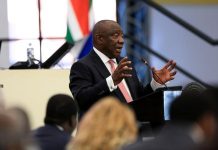
While many are concerned that food prices will skyrocket rapidly, Agricultural Business Chamber chief economist Wandile Sihlobo believes this will not be the case.
Speaking to BusinessDayTV, Sihlobo explained that there are a multitude of factors in place which will serve to soften the blow for South Africa.
“This time is different from the start of the Russia-Ukraine war,” Sihlobo said. “That region is a major grain producer, so when there were complications with shipments, we saw the grain price increasing overnight.”
“The Middle East is not a major producer of grain. If anything, they are a major importer of agricultural products, but are of course important for their input supplies such as fertiliser and other things.”
Sihlobo explained that South Africa’s ample supply of grains, fruits and vegetables should cushion the impact of food price increases and keep them at maintainable levels.
His point is further corroborated by the United Nations’ Food & Agriculture Organisation (FAO), which recently released its Food Price Index update for March.
The FAO reported an increase of 2.4% in the Food Price Index, up to 128.5 points. The index tracks global changes in the price of a basket of food items on a month-to-month basis.
This is more than 30 points below the index’s all-time peak of 159.3 points, which it reached in March 2022 amid the outbreak of the war between Russia and Ukraine.
“Price rises since the conflict began have been modest, driven mainly by higher oil prices and cushioned by ample global cereal supplies,” FAO chief economist Máximo Torero said.
Food price hikes are unavoidable
Agricultural Business Chamber Chief Economist Wandile Sihlobo
While there is this cushioning factor in place, Sihlobo said rising food prices for South Africa are still inescapable.
“The reality is that about 80% of grain-related products are transported by road,” Sihlobo said. “90% of fruits are transported by road.”
“We produce in various areas, but we process elsewhere, so all of these products have to be transported to various retailers across the country.”
Food producers and distributors across the country will likely have to raise their prices in order to meet their increased input and transport costs.
However, ideally, this should still be relatively moderate as South Africa’s actual supply of these food products remains steady.
Another major concern surrounds rising fertiliser prices. The FAO has reported that as much as 30% of all internationally traded fertiliser passes through the Strait of Hormuz.
Sihlobo believes that if the war in the Middle East prolongs past June, disruptions in the trade of fertiliser will negatively affect crop planting, which occurs from October onward.
“This will only materialise for a consumer next year, because of the lag between planting and when they will be delivered,” Sihlobo explained.
“Farmers are price takers. They are not going to pass that fertiliser directly. Only through adjusting the area planting will we see the impact of what it means.”
Despite this, Sihlobo believes that South Africa’s recent harvests have been abundant enough to provide some level of food price security for the time being.
Torero has similarly cautioned that a prolonged conflict could have a significant impact on the global farming industry.
“If the conflict stretches beyond 40 days with high input costs with current low margins, farmers will have to choose,” Torero said.
“Farm the same with fewer inputs, plant less, or switch to less intensive fertiliser crops. Those choices will hit future yields and shape our food supply and commodity prices for the rest of this year and all of the next.”
For More News And Analysis About South-Africa Follow Africa-Press