Africa-Press – South-Africa. The fuel levy reduction announced for April will need to be filtered back into the system in the months to come, either through a R3-per-litre hike or by foregoing a price cut.
If similar relief is announced for May, South African motorists and other fuel consumers will face a R6 per litre increase later on.
This is according to Investec chief economist Annabel Bishop, who explained that these increases, alongside the other knock-on effects of the Iran war, will have serious implications for inflation and interest rates in South Africa.
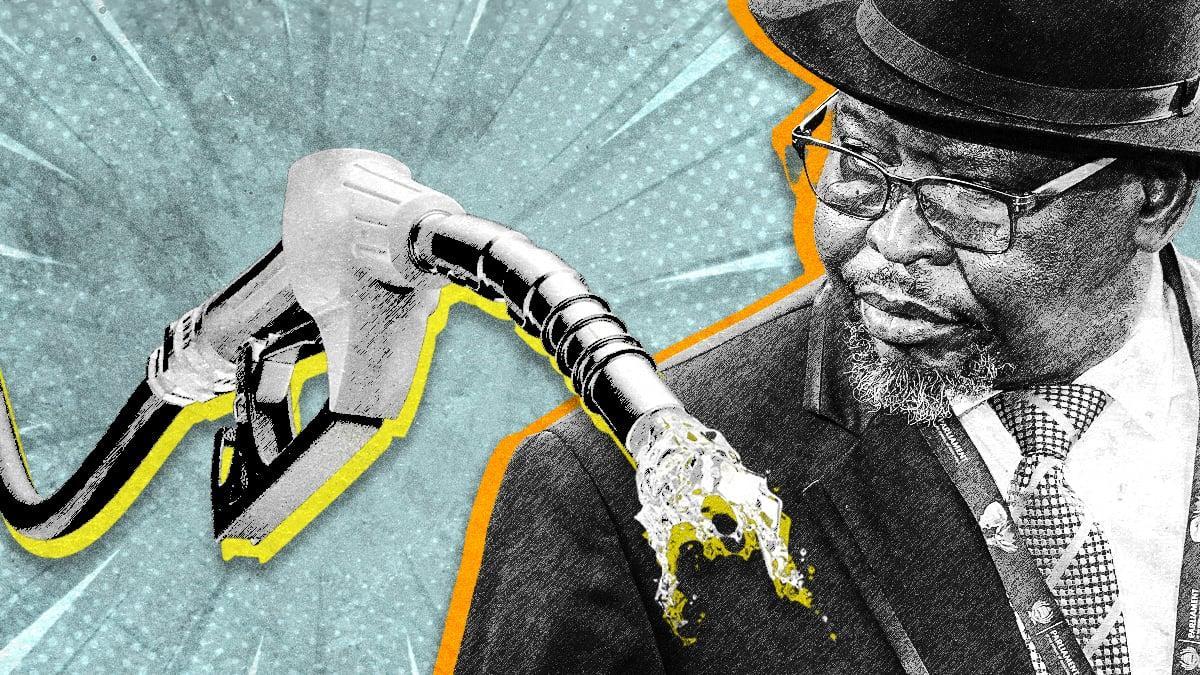
The fuel levy reduction announced for April brought welcome relief to South African motorists, who otherwise would have faced fuel price increases of around R5.82 per litre for petrol and R10.27 per litre for diesel.
Instead, the National Treasury announced a temporary R3 per litre relief on the fuel levy for April, saying additional measures are being considered for May and June.
Currently, the Central Energy Fund (CEF) has indicated an under-recovery of R3.40/litre for petrol and R10.15/litre for diesel, due to high global oil prices and a weaker rand.
Bishop said that, while this is not the expected case, it may prompt the government to announce further R3/litre relief from the fuel levy for May, which would cost an additional R6 billion to the fiscus.
“This means that there would then be a total of R6.00/litre cut in the general fuel price levy to unwind (push back into the fuel price for consumers), instead of the current R3.00/litre, delaying the reduction of inflation further,” she said.
In other words, she said the R3.00/litre cut in the fuel levy on 1 April still has to come back into the system for consumers, for both diesel and petrol.
This, she said, could take the form of either a fuel price hike or the removal of part/all of a future fuel price cut.
“A further R3.00/litre cut in the fuel levy on 1 May, if it occurs, would also have to come back into the system for consumers as fuel price hikes, or the removal of part/all of a future fuel price cut,” she said.
This shows Investec and Bishop’s base case forecasts for South Africa over the next two years, including a stronger rand and one interest rate hike later in 2026.
Inflation concerns
Bishop warned that this would have significant implications for South Africa’s inflation rate over the coming months, with the country already facing elevated prices due to the Middle East conflict.
She said that if the CEF’s under-recovery projections for May materialise, it would add 0.6% month-on-month to South Africa’s CPI inflation rate in that month.
This would push May’s CPI inflation rate to 4.2%, up from the 3.7% currently forecast. In turn, this would see the CPI inflation rate in the second quarter of 2026 hit 4.0%, instead of the 3.5% initially expected.
This would therefore push CPI inflation to the upper end of the one percentage point tolerance band around the Reserve Bank’s inflation target of 3%.
“Such an outcome would increase the likelihood of a 25 basis point hike in May in the repo rate instead of in July as we currently forecast,” Bishop said.
“The Monetary Policy Committee’s next interest rate decision is on 28 May, providing ample time for the South African Reserve Bank to run this through their models.”
Bishop pointed out that the last time the oil price rose this rapidly, by around 50%, was in 2022. This oil price spike pushed South Africa’s CPI inflation rate from 5.9% at the end of 2021 to 7.8% in July 2022.
“In general, there is an upside risk to both our inflation and interest rate forecasts as they do not incorporate large fuel price hikes in May or later this year,” she said.
Rather, these initial forecasts were built on the expectation of a quick end to the war, lower fuel prices and a stronger rand.
“A lengthier unwinding of the war in the Middle East is the clear risk for South Africa’s inflation, interest rates and other economic metrics,” she warned.
For More News And Analysis About South-Africa Follow Africa-Press