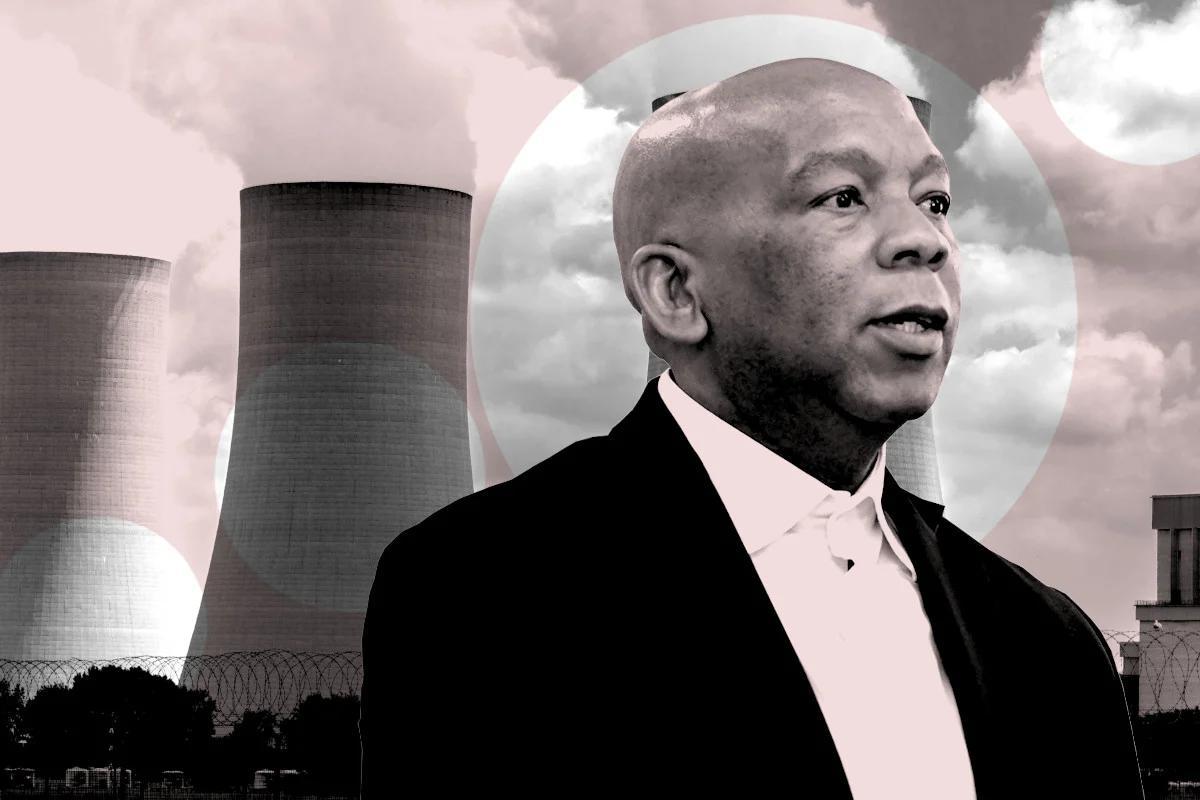
Africa-Press – South-Africa. The energy regulator has given South Africa the green light to procure an additional 2,500 megawatts (MW) of new generation capacity from nuclear sources to counter the rolling blackouts that have plagued the country.
The first unit of the new 2,500 MW nuclear project is expected to be commissioned by 2032/2033, according to Zizamele Mbambo, a senior official at the energy ministry.
The country is making this move because “generation can’t meet demand”, said electricity minister Kgosientsho Ramokgopa in a media briefing on Tuesday, December 12. “Eskom’s fleet is ageing and we need additional generation capacity,” he added.
Ramokgopa argued that “what we know about nuclear is [that it is the] cheapest, safest and most reliable and we are going this route”. He said that nuclear energy would cost R0.60 per kilowatt-hour compared to around R1.25 per kWh for concentrated solar power, R0.87 for wind, and R5 for open-cycle gas turbines.
The country’s two current nuclear power units contribute to around 5% of generation capacity. One of the two units at South Africa’s only nuclear power facility, the Koeberg plant, had been shut down for almost a year for maintenance until November.
Eskom, the plant’s operator, has been gradually returning the unit to full service. Currently, the second unit is also offline for similar upgrades.
Ramokgopa said that the electricity ministry had met all the “substantive conditions” required by the National Energy Regulator of South Africa (Nersa) to get the go-ahead.
“In the past, this process was mired in controversy. Now we are happy that we have been able to iron out the issues of how the procurement processes need to unfold; we have met the legal requirements and now have the concurrence of Nersa,” said Ramokgopa.
In the deliberation process, Nersa said that the opposition to the minister’s proposal included:
Affordability – opponents argued that renewables are a cheaper alternative in a cash-strapped country.
Alignment with the IRP 2019 – the Minister’s determination is not aligned with the IRP 2019. However, a new IRP for 2023 is imminent.
Invalidity of the baseload term – the concept of baseload is no longer valid in today’s modern power systems.
Availability of cheaper alternatives – the availability of cheaper, renewable energy and the fact that the country cannot afford the project at present.
Risk of the project becoming a white elephant – due to cost overruns during construction and unaffordability in the long run.
Environmental concerns – the waste-disposal facility at Vaalputs produces radioactive waste and harms the environment and the people dwelling there.
Need for a flexible, decarbonised grid – The demand for electricity can be met by a mix of renewable energy technologies, storage, and demand-side management, excluding nuclear due to its high cost.
For More News And Analysis About South-Africa Follow Africa-Press