Africa-Press – South-Africa. Transnet’s introduction of a surcharge on container handling will likely trickle down the supply chain until taxpayers are covering the costs.
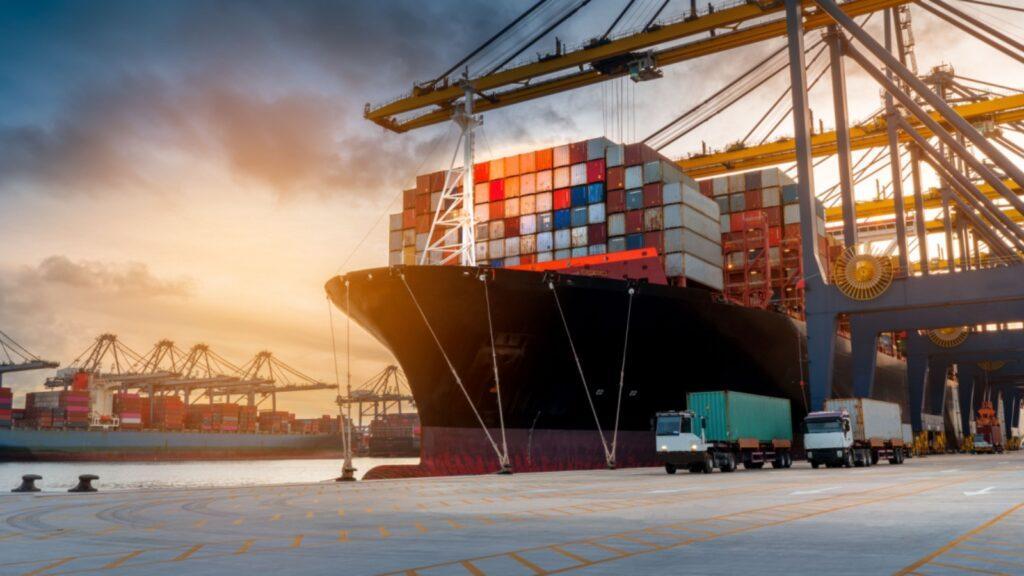
The announcement of Transnet Port Terminals’ (TPT) new “fuel neutrality charge” has been touted by the company as a means of recouping costs due to higher diesel prices.
TPT general manager Michelle van Buren Schele recently said the surcharge was necessary as much of the company’s equipment is diesel-powered and thus impacted by recent fuel price increases.
“The Department of Mineral and Petroleum Resources announced fuel increases with effect from 1 April,” Van Buren Schele said.
“TPT’s diesel-powered equipment, such as straddle carriers, haulers, RTGs (cranes) and generators, is directly impacted by this increase.”
She explained that the surcharge would apply only where coastal diesel prices exceed R20 per litre, and that reassessments of the fuel index would occur monthly.
However, freight industry experts have warned that the move will have a rippling effect, transferring these costs further down the line to consumers.
The surcharge is scheduled to begin in May at R52 per container, but could potentially triple if diesel prices continue to soar as a result of the Middle East conflict and the resulting global oil crisis.
According to Freight News, the announcement of the charge’s introduction has drawn mixed reception from stakeholders and industry players across South Africa’s freight sector.
South African Association of Ship Operators and Agents (SAASOA) chief executive Peter Besnard said the charge would compound existing port difficulties.
“The surcharge also contributes to inefficiencies, as businesses are required to pay more despite ongoing challenges such as port delays and infrastructure limitations,” Besnard said.
In contrast, maritime consultant David Watts argued that the surcharge is minor when compared to price increases in other areas of the logistics sector.
“When you’re looking at trucking costs that have gone through the roof, it’s about 1.1% of the terminal handling charge,” Watts said. “Transporters have got much bigger problems to worry about.”
The effect of these charges on consumers
SA Freight Logistics Association Vice Chair Jonathan MacDonald
SA Freight Logistics Association vice chair Jonathan MacDonald spoke to CapeTalk about the surcharge and what it means for South Africa’s freight industry.
“It’s unavoidable, because at the end of the day our ports are reliant on diesel,” MacDonald said. “Most of the equipment that they use runs on diesel.”
“So there will be big cost recoveries that are needed there. Diesel has gone up by over 40% since January, and we’re looking at further increases going into May.”
MacDonald acknowledged that higher container-handling charges will place extra pressure on already-rising freight rates, but does not believe this will make the country uncompetitive.
And while Besnard warned that the charge will create a snowball effect for consumer goods prices, MacDonald said this may still be manageable.
“It is going to come through into the consumer basket, but it’s not a huge charge, so I don’t think it’s that significant,” MacDonald said.
“Transnet has put together a mechanism which is very transparent in how it works, so it’s very fair. But unfortunately, any of these additional charges eventually come down to the price on shelves to the consumer.”
MacDonald said households should expect to see the price of goods increase within the next three to six weeks.
The closing of the Strait of Hormuz has greatly disrupted global maritime trade, with many ships now rerouting around the coast of South Africa.
While this has brought some level of economic benefit to the country, MacDonald said the country’s ports are not well-equipped enough to take full advantage of this.
“You are seeing some more bunkering business from South Africa, both on the quay side and offshore,” MacDonald said. “But not nearly as much as we could be doing.”
“That is certainly something that we as a country need to look at improving going forward, so we can take advantage of vessels coming past that we could service as additional business to South Africa.”
For More News And Analysis About South-Africa Follow Africa-Press