
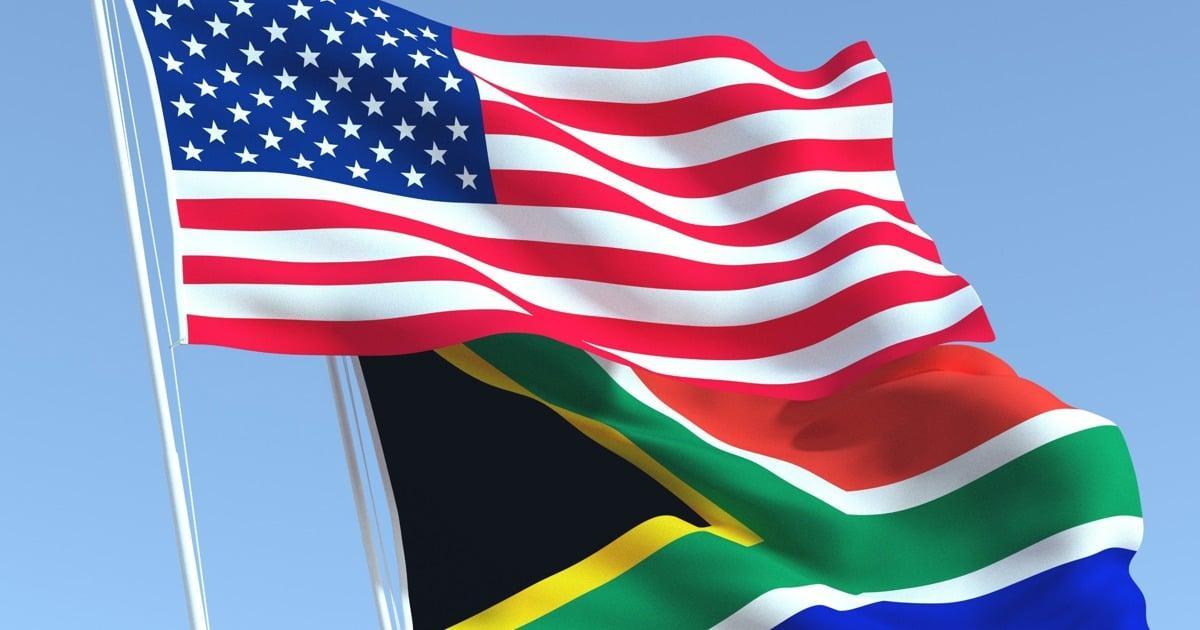
The United States (US) has imposed new tariffs on South African exports, escalating trade tensions between the two countries.
Washington said the move is aimed at countries it believes are not doing enough to stop imports made by forced labour.
South Africa has rejected those claims, arguing it already has laws in place to prohibit forced labour and the importation of such goods.
The US has officially implemented new Section 301 tariffs on South African exports, imposing a 12.5% duty on affected goods entering the American market.
The tariffs took effect on Friday, after the US concluded that South Africa had not adequately enforced measures to prevent the importation of goods produced through forced labour.
South Africa has been placed in its highest tariff category, alongside countries including China, Japan and South Korea.
The Trump administration said the tariffs follow months of investigations, public hearings and consultations with dozens of governments.
The move marks another setback in trade relations between Pretoria and Washington, with concerns that the additional costs could reduce the competitiveness of South African exports in one of the country’s key international markets.
Meanwhile, the country’s agriculture sector faces another shift in trade with the US after Washington raised tariffs on imports from several countries, including South Africa.
Farmers were breathing a cautious sigh of relief after Washington raised tariffs on South African goods to 12.5%, well below the 30% level that had previously been threatened.
While the increase is smaller than initially feared, concerns remain about what it means for exporters and the broader farming sector.
The chief economist of the Agricultural Business Chamber of South Africa, Wandile Sihlobo, noted further relief for exporters, with some of the country’s biggest agricultural products remaining exempt from the new tariffs.
“Just a few months ago, we were hit by much higher tariffs in the US. So, to be at these levels that we are in and in line with our competitors is something that I think at least means that SA could still continue to do business fairly well in agricultural products in the US.”