Majur Mading Makur
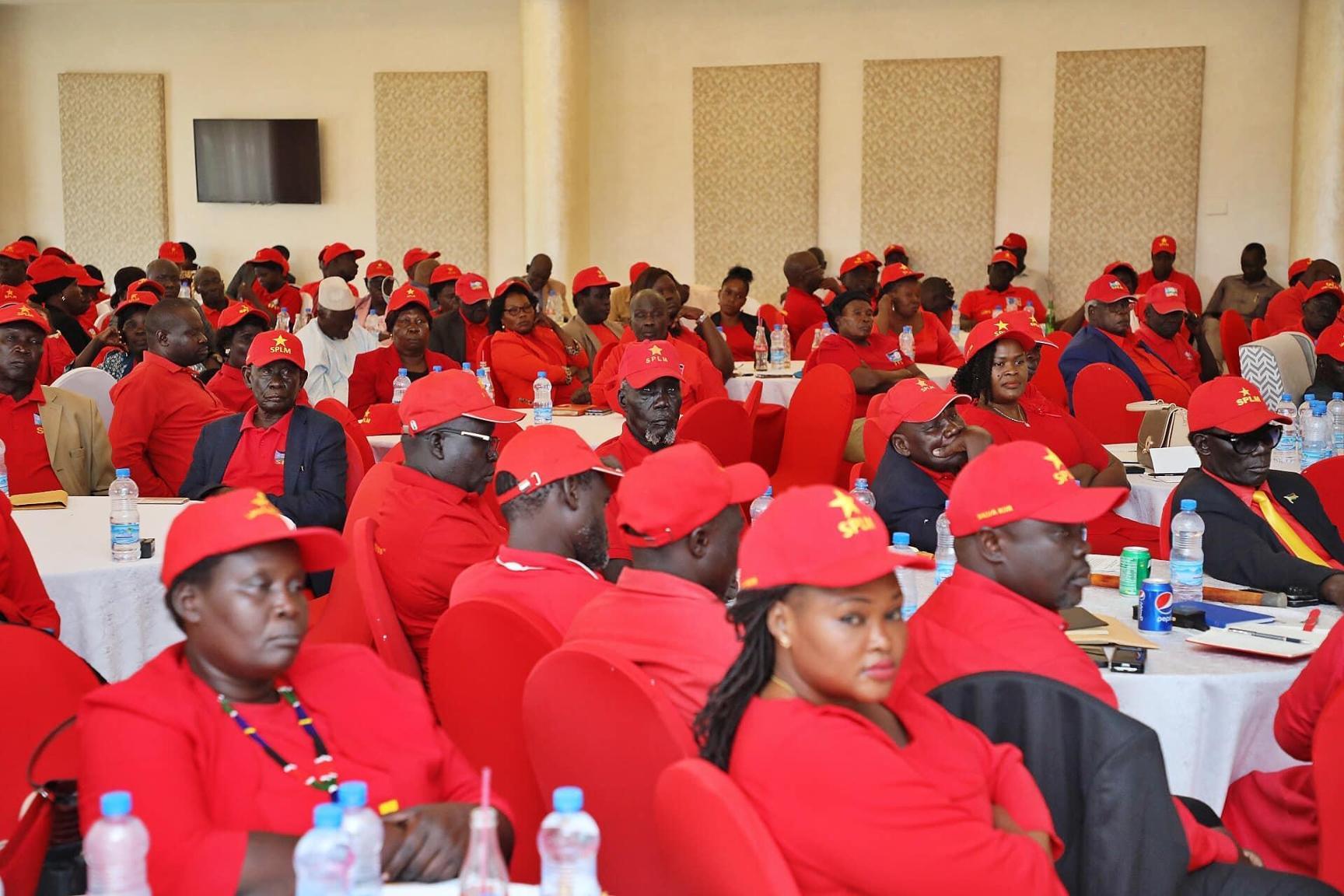
Africa-Press – South-Sudan. The Sudan People’s Liberation Movement (SPLM) is the main political party in South Sudan, where we all belong whether on the antagonist or protagonist sides. Categorically, the majority of us are currently in red uniform unlike me who’s behind the keyboard. Therefore, I take this opportunity to finger-point the vices of the current SPLM that are deemed dangerous to the existence of the chairman.
The SPLM, as we know used to be a pool of happiness when things are not right, notably during our bush life. It was initially founded as the political wing of the Sudan People’s Liberation Army in 1983.
On January 9, 2005, the SPLA, the SPLM and the Government of Sudan signed the Comprehensive Peace Agreement, ending the civil war. SPLM then obtained representation in the Government of Sudan and was the main component of the government of the then semi-autonomous Southern Sudan.
But on July 9, 2011, when South Sudan became a sovereign state, SPLM emerged as the ruling party of the new republic.” This compelled SPLM to disintegrate into SPLM–South Sudan and SPLM–North. Further factionalism appeared as a result of the 2013–2014 South Sudanese Civil War, with President Salva Kiir leading the SPLM- main body in Juba and SPLM – IO under first Vice President Riek Machar, subsequently IO continued to splinter into many factions led by Taban Deng and Kigwang faction and nobody knows which one next.
As the purpose of this piece is concern, I am going to talk much on mistakes that I see as dangerous to the chairman of the party. Literally, I am here expressing concerns and remedies about the current state of SPLM and the potential impact of certain mistakes on the party and its chairman. Below are the mistakes:
Misplacement or abandonment of cadres:It’s crucial for any political party to maintain a strong cadre base. If individuals with experience, skills, and dedication are being misplaced or abandoned, it is believed to be one of the grave mistakes that is weakening the party. The leadership should ensure that talented individuals are appropriately placed to contribute effectively to the party’s goals.
Continuous appeasement of rebels: While reconciliation is important for stability, continuous appeasement may lead to a perception of weakness. Striking a balance between peacebuilding and maintaining the party’s principles is crucial. Addressing the root causes of rebellion and promoting inclusive dialogue can contribute to long-term stability. The continuous appeasement of rebels at the expense of those who are loyal is a mistake; it ought to be abandoned.
Unclear security sector reform: A transparent and well-defined security sector reform is essential for the stability of any nation. Lack of clarity in this area can lead to misunderstandings, mistrust, and potential security challenges. The party should work towards establishing a clear and inclusive security sector reform agenda.
Lack of a clear vision for the country’s development: A clear vision for the country’s development is vital for any ruling party. Without a comprehensive plan, it becomes challenging to address the needs of the population and foster sustainable growth. The party should focus on formulating and communicating a vision that aligns with the aspirations of the citizens.
Lack of a clear remedy to a persistently weak economy: Economic stability is fundamental to the well-being of any nation. If the party is not actively addressing the challenges faced by the economy, it can lead to discontent among the population. Implementing effective economic policies, promoting investment, and addressing structural issues can contribute to strengthening the economy.
A complete breakdown of our health system: A functional health system is essential for the overall well-being of the population. If the health system is facing a breakdown, it requires an urgent attention and strategic reforms. The party should prioritise healthcare, allocate resources, and collaborate with relevant stakeholders to revitalise the health sector as soon as possible. Our widowers, orphans, heroes and heroines and other vulnerable persons are not getting liberation benefits from our health sector. They are being turned away to expensive clinics for their survival.
Appointment of fame and wealth seekers in the SPLM:The appointment of individuals primarily seeking fame and wealth within the Sudan People’s Liberation Movement (SPLM), can pose significant challenges and potential risks. Here are some considerations and potential consequences associated with such appointments:
Lack of Commitment to party values:Fame and wealth seekers may not be aligned with the core values and principles of the SPLM. This misalignment can lead to a lack of commitment to the party’s goals and mission, potentially undermining its overall effectiveness.
Risk of corruption and diminishing of public trust: Individuals driven by personal gain may be more susceptible to engaging in corrupt practices. Corruption can erode public trust in the party, damage its reputation, and have detrimental effects on governance and public service delivery.
Appointing individuals that are solely interested in personal gain can erode public trust in the party and the political process. The public may perceive appointments based on personal connections rather than merit as a betrayal of their interests.
Ineffective leadership and internal discontent: Leaders motivated by fame and wealth may prioritize personal interests over effective leadership. This can result in poor decision-making, lack of strategic vision, and an inability to address the genuine needs of the party and the country. Also, party members who are dedicated to the party’s principles may become disillusioned if appointments are perceived as favoring fame and wealth seekers over those with a genuine commitment to public service. This can lead to internal divisions and conflicts.
Negative public perception: The public’s perception of the SPLM can be negatively impacted if appointments are seen as driven by personal interests rather than a commitment to serving the nation. Such perceptions can be challenging to overcome and may have long-term consequences.
Remedy to these challenges
To address these challenges, the leadership of the SPLM must prioritize meritocracy by emphasizing merit-based appointments and promotions to ensure that individuals with the necessary skills, qualifications, and commitment are in key positions. Never favour gossipmongers over mute members who make really a difference. They need to promote in the appointment process to build public trust and demonstrate the party’s commitment to fair and accountable governance. Shy away from these cadres who are empty vessels. They make noise with nothing seen as solid.
Thirdly, there is a need to uphold the core values of the SPLM, emphasising the importance of public service, integrity, and dedication to the nation’s well-being. Addressing corruption and strengthening the economy is equally important. Implement strong anti-corruption measures to prevent and address any corrupt practices within the party. Of course, it is an open secret that our economy is down to its knees due to corruption. Notably, it is a belief in South Sudan that, officials are only in public offices to acquire wealth and use it to buy more V8s and marry more wives. They have only wealth in their hearts, not the party or the country.
Lastly, foster open communication with the public to understand their concerns, demonstrate responsiveness, and rebuild trust.
By addressing these issues, the SPLM can work towards creating a leadership structure that is genuinely committed to the betterment of the country and the fulfilment of the party’s mission. It’s also important for concerned individuals in the party, to work as a team, engage in constructive dialogue within the party and work towards solutions to these challenges. Finally, it is essential to open communication, internal reforms, and a commitment to the well-being of the nation are essential for the SPLM to overcome these mistakes and fulfil its responsibilities effectively to rescue the nation and the party chair. The public mood is bad and needs urgent attention. I stand tall here to salute you all!”
Source: The City Review South Sudan
For More News And Analysis About South-Sudan Follow Africa-Press