Africa-Press – South-Sudan. South Sudan has recorded more than 100 ceasefire violations since the beginning of 2026, as monitors warn of a reversal of gains towards the implementation of the 2018 peace deal.
A new quarterly report by the Reconstituted Joint Monitoring and Evaluation Commission (RJMEC) shows that 133 alleged violations of the permanent ceasefire were documented between January and March, largely involving clashes between government forces and opposition fighters.
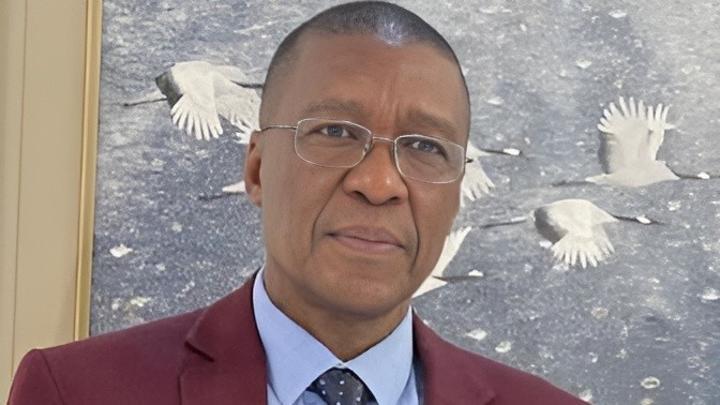
Presenting the report, Interim Chairperson George Aggrey Owinow said the violations persisted despite repeated calls for de-escalation, noting that “violations of the Permanent Ceasefire have persisted” throughout the reporting period.
The incidents included armed clashes, attacks on civilians, sexual and gender-based violence, forced displacement, and the occupation of civilian areas by armed groups. The report indicates that the worst-affected areas were in Jonglei State, particularly Ayod, Pigi, Nyirol and Akobo counties.
Fighting between the South Sudan People’s Defence Forces (SSPDF) and the Sudan People’s Liberation Army-In Opposition (SPLA-IO) remained the primary driver of the violations, with the monitoring body warning that most of the cases have yet to be investigated.
RJMEC also flagged serious operational gaps affecting ceasefire monitoring, revealing that the verification mechanism has been operating with only three teams across the country, limiting its ability to effectively track and respond to incidents.
Beyond the security situation, the report highlights slow progress in implementing the Revitalised Agreement on the Resolution of the Conflict in the Republic of South Sudan, with key governance and reform provisions largely stalled. Political tensions, including unilateral decisions and disputes among parties, have further strained the transition.
The humanitarian situation has worsened alongside the insecurity, with renewed violence driving displacement and increasing the number of people in need of assistance, particularly in Jonglei, Upper Nile and Unity states.
RJMEC warned that the combination of insecurity, political deadlock and delayed reforms continues to erode confidence in the peace process, cautioning that “the risks of further political fragmentation, and renewed large-scale violence will continue to increase” if urgent action is not taken.
The commission called for an immediate cessation of hostilities, renewed political dialogue, and stronger commitment from the parties to fully implement the peace agreement, with support from regional actors including the Intergovernmental Authority on Development and the African Union.
For More News And Analysis About South-Sudan Follow Africa-Press