Africa-Press – South-Sudan. The United States has intensified its diplomatic and financial pressure on the transitional government in South Sudan, conditioning its engagement in serious political dialogue with the parties to the peace agreement signed in 2018 before providing any support for the electoral process scheduled for December 22, 2026. This election is considered the third attempt to end the transitional phase in the world’s newest country after being postponed twice since 2022.
The U.S. embassy in Juba clarified in a statement published this week that any future support from Washington, whether directly or through the United Nations, will depend on the transitional government’s commitment to funding the electoral process from its public resources, as well as prioritizing spending on essential services and public employee salaries, according to a local source.
U.S. Ambassador to the United Nations Mike Walters emphasized during a Security Council session on renewing the mandate of the United Nations Mission in South Sudan (UNMISS) that his country rejects the notion of foreign taxpayers funding a political process that the transitional government does not finance itself. He affirmed that Washington’s priorities center around peace, the responsible use of public revenues, and stopping what he described as the misuse of international aid.
Walters described the electoral preparations as “minimal to nonexistent,” based on reports from the UN Secretary-General, stressing that conducting peaceful and credible elections first requires the implementation of the outstanding provisions of the 2018 agreement, which include unifying the army, drafting a permanent constitution, and conducting a population census.
Dialogue as a Precondition
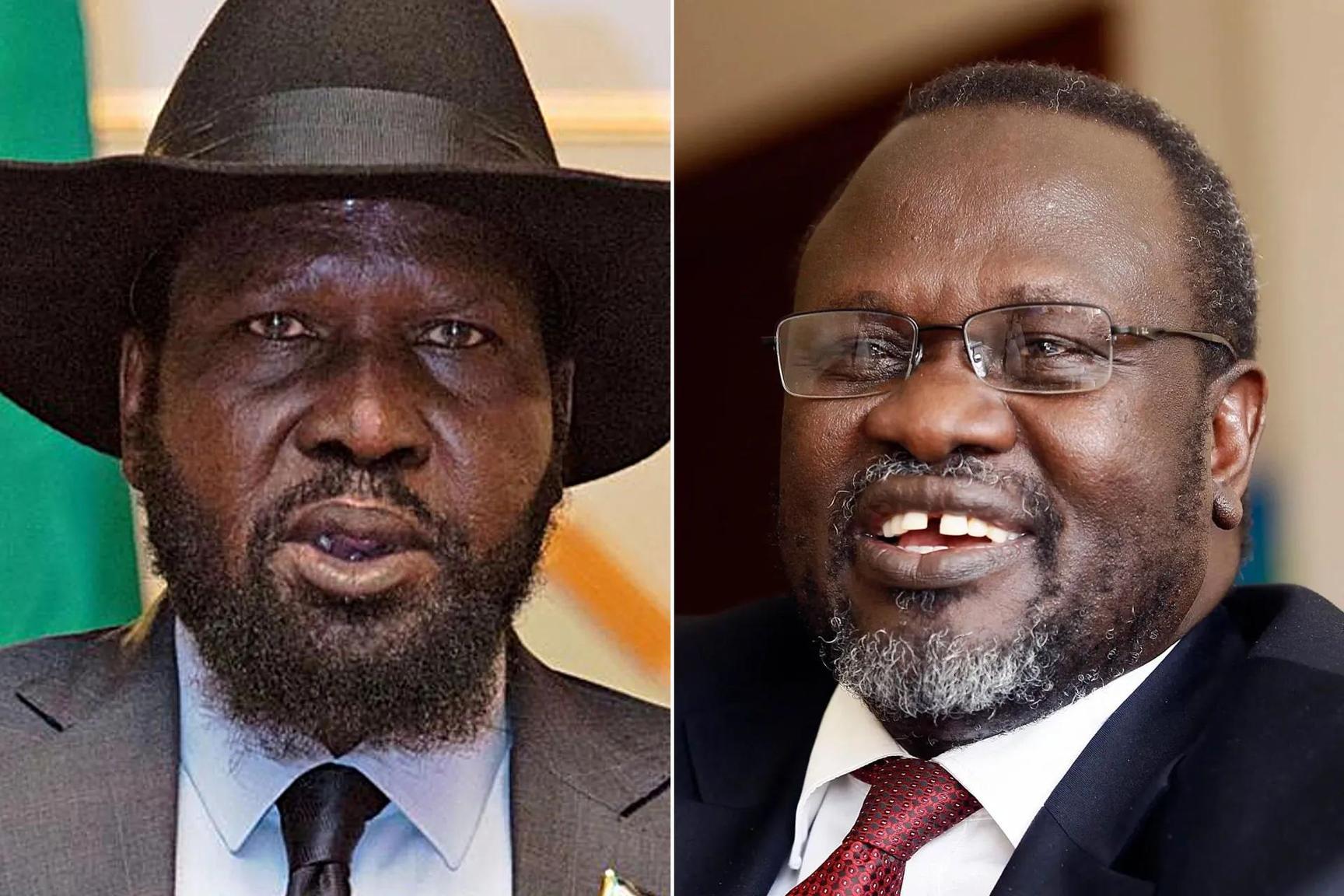
Washington links any electoral support to an immediate return to dialogue among the parties to the agreement, considering that this dialogue loses its value in light of the detention of prominent political leaders, referring to Riek Machar, the First Vice President and leader of the opposition Sudan People’s Liberation Movement, who has been under house arrest and trial since March 2025.
The U.S. stance comes amid a rapidly deteriorating political and security situation, as the UN Under-Secretary-General for Peace Operations Jean-Pierre Lacroix warned the Security Council that the political deadlock between the main signatories of the agreement fuels rising tensions, pointing to renewed armed confrontations in Jonglei State and the displacement of more than 280,000 people.
The Council of Ministers under President Salva Kiir has approved amendments to the 2018 agreement to enable the elections to take place on time by postponing sensitive issues such as drafting the permanent constitution, the census, and unifying forces until after the vote. These amendments have been rejected by Machar’s faction in the opposition movement, which argued that any decisions made in the absence of its leader lack inclusivity and are non-binding, according to a statement from the movement.
Divided UN Approach
The discussion within the Security Council reflects a clear division regarding the approach to the issue, as the United States, according to a platform from a local source, pushes for linking continued support for the UN mission to achieving specific goals, while both China and Russia call for patience, supporting regional mediation efforts, and avoiding excessive pressure on the transitional authorities.
Simultaneously, three initiatives aimed at stabilizing the situation are active, including the electoral dialogue committee launched by President Kiir in January, the “Tomani” initiative sponsored by Kenya and IGAD, and the “C5+” track led by the African Union.
However, these tracks intersect around essential requirements, such as unifying the army and transitional justice after the elections, raising questions about their ability to ensure the integrity of the vote.
The lingering question remains whether U.S. pressures, based on the threat of withdrawing funding, will push Juba toward genuine political concessions that bring the opposition back to the table, or whether the government will continue with its unilateral options, betting on support from international players who do not share Washington’s strict approach.