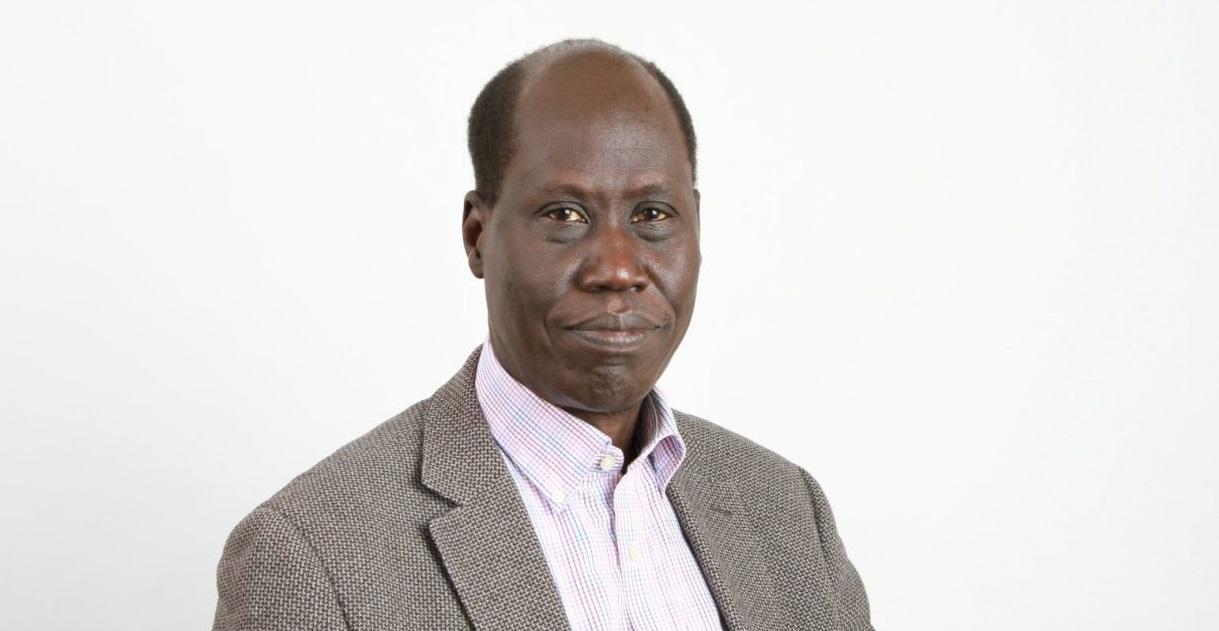
Africa-Press – South-Sudan. The Vice Chancellor of the University of Juba, Professor John Akec, has expressed reservations about the legitimacy of a permanent constitution solely drafted and approved by the signatories of South Sudan’s revitalized peace agreement.
This concern arose after the Chairperson of the National Constitutional Review Commission (NCRC), Riang Yier Dhuor, asserted that the country would not proceed with elections without a permanent constitution, as mandated by the revitalized peace agreement.
However, Akec has questioned the viability of a constitution that bypasses crucial public participation processes, namely scrutiny by an elected parliament and citizen validation through a referendum.
In a Facebook post this morning, Akec argued that a constitution shaped exclusively by peace partners, without the oversight of elected representatives and citizenry, might not effectively safeguard the nation against future conflicts and political instability.
“A permanent constitution drafted and approved solely by the peace partners without subjecting it to scrutiny by an elected parliament as well as citizens’ vote through a referendum will not secure our country from future wars and political instability,” Professor John Akec wrote.
Some South Sudanese echo Akec’s sentiments, emphasizing that a truly representative and credible constitution necessitates active involvement from the populace it aims to govern.
They fear that excluding public input could lead to an undemocratic and potentially divisive document.
Conversely, supporters of the existing approach argue that involving the public in this process could pose challenges, potentially impeding progress and jeopardizing the fragile peace process.
They contend that entrusting this task to the peace partners, who have already negotiated the agreement’s core principles, presents the best opportunity for a prompt and successful outcome.
For More News And Analysis About South-Sudan Follow Africa-Press