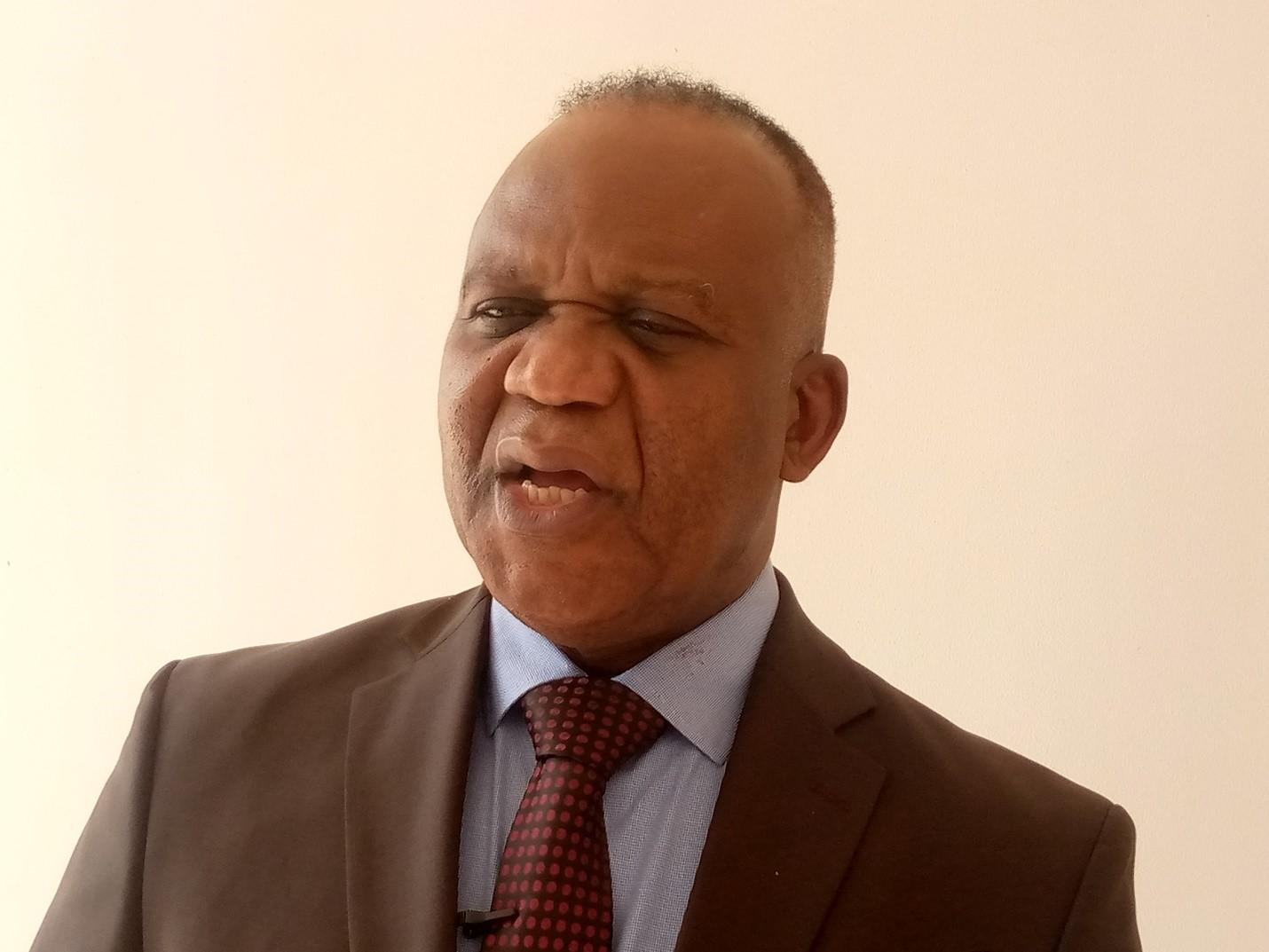
Africa-Press – South-Sudan. The Angolan ambassador to South Sudan, Eritrea, Somalia, Kenya, and Uganda, Eng. Sianga Abilio, urged South Sudan to prudently manage oil revenue in order to reap the maximum benefits.
He said it is high time for the country to enhance the governance of the oil sector by ensuring that all oil income and expenditure are within budget and used wisely to progress agriculture and other industries.
“This generation must benefit from oil resources because oil, unlike gas energy, is not a renewable resource, which means that the more the country produces today, the more likely it will run out or finish,” Abilio said.
He avers that oil is a non-renewable resource and should not be viewed as a renewable resource on which a developing nation must rely for its economic expansion.
The diplomat added that it is preferable to utilise the advantages of oil in a specific timeframe by changing and growing other sectors for revenue.
“So, use the income from oil resources to develop other industries to keep people employed, and you will keep the economy healthy.”
“Use oil money to develop agriculture that will continue to feed its people for years, and that is very important; otherwise, oil itself isn’t renewable energy,” he said.
He continued that most Asian countries have no oil but can sell the acknowledgement to many countries saying it is only if South Sudan trains its people, they can be able to sell the revenue to other countries.
The ambassador noted that a nation needed to find a long-term resolution to the conflict in order to realize such ambitious objectives.
“Only if South Sudanese accept and forgive one another, and if their leaders fight for the common good of their people, South Sudan would ever be the same,” he said.
“Taking the town to the people” and “using oil to fuel agriculture” were two of the late Dr John Garang’s dreams, which the country’s leaders are struggling to realize.
South Sudan is depending on oil to fund its budget by close to 90 per cent although the production plummeted after the eruption of civil war in 2013. Initially producing 350,000 barrels per day, the youngest nation dipped to a production of 175,000 per day. The government has also been stepping up to increase revenue generation from other sectors to shed the dependence on oil.
Source: The City Review South Sudan
For More News And Analysis About South-Sudan Follow Africa-Press