Africa-Press – South-Sudan. Minister of Finance and Planning, Dr. Bak Barnaba Chol, has unveiled a strategic roadmap to stabilize South Sudan’s economy by rebuilding foreign exchange reserves and aggressively tackling inflation.
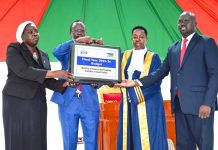
Presenting the Draft Fiscal Year 2025–2026 National Budget to the Transitional National Legislative Assembly (TNLA) on Tuesday, February 3, Dr. Chol emphasized that the resumption of oil exports will be the primary engine for this recovery.
South Sudan’s Gross Domestic Product (GDP) for the upcoming fiscal year is projected at SSP 20.6 trillion (approximately USD 4.5 billion). While this indicates a nominal decline from the previous year—a result of past oil production disruptions—the Minister expressed optimism for a sharp rebound.
The oil sector is projected to grow by 37.8%, fueled largely by the Greater Pioneer Operating Company (GPOG) resuming production at an estimated 95,000 barrels per day. Simultaneously, the non-oil sector is expected to expand by 5.5%.
Inflation remains a significant challenge, currently hovering at 15%. Dr. Chol attributed this to supply-side constraints and intense pressure on the exchange rate.
Data revealed a stark disparity between currency markets, with the official exchange rate averaging SSP 4,373.88 per USD from January to May 2025, compared to a parallel market average of SSP 5,456.40.
“Fiscal policy for fiscal year 2025-2026 is therefore deliberately anti-inflationary,” Dr. Chol informed lawmakers. “With the resumption of oil exports, the government aims to rebuild foreign exchange reserves during the second half of the year to support exchange rate stability.”
To manage the fiscal deficit, the Ministry plans to rely on grants and concessional financing. This approach aligns with ongoing Public Financial Management (PFM) reforms designed to ensure long-term debt sustainability.
In a rare piece of positive news for local businesses, the Minister noted that commercial bank lending rates have dropped significantly.
Rates fell from 16.03% in February 2024 to 11.03% by February 2025. This 5% decrease is expected to improve credit conditions, allowing the private sector to play a larger role in the nation’s economic expansion.
For More News And Analysis About South-Sudan Follow Africa-Press