Duop Chak Wuol
Africa-Press – South-Sudan. South Sudan’s prosecution has built a central pillar of its case on digital forensic evidence produced by a South African expert—an expert whose credibility is now under intense scrutiny in his home country. These developments raise serious questions about the integrity of the evidence, the vetting of expert witnesses, and the overall fairness of a trial carrying profound political consequences.
When prosecutors in Dr. Riek Machar’s trial introduced digital forensic material, they claimed the evidence directly linked the accused to the alleged crimes. The evidence was presented as scientific fact: objective, definitive, and beyond dispute. However, the expert behind it, a South African private forensic investigator, has since been named in a major judicial inquiry in South Africa over allegations of soliciting favors and financial benefits in exchange for media influence. This revelation prompts urgent questions: who vetted him before admitting his testimony? Was the defense given full access to the underlying data? And how can a court place decisive weight on digital evidence when the investigator’s credibility is being examined elsewhere?
Digital forensic evidence has become one of the most powerful tools in modern courtrooms. Phone records, metadata, location data, and message extracts are often seen as neutral facts, generally assumed to be immune to bias or manipulation. In courts with limited technical capacity, such evidence can acquire near-automatic authority.
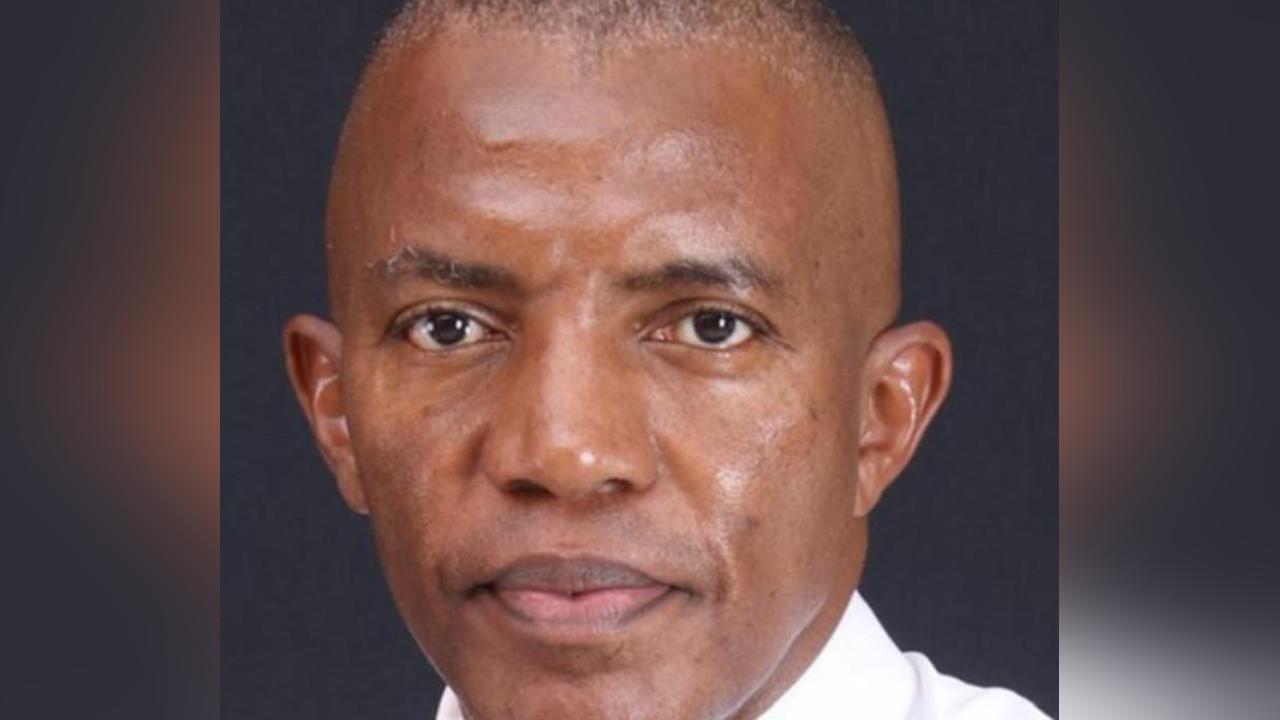
Two South Sudanese legal experts, who have no links to either the prosecution or defense teams and were consulted by the author prior to publication of this investigative piece, caution that digital evidence is only as reliable as the methods used to collect, analyze, and interpret it. In this case, the prosecution relies heavily on testimony from Ratlhogo Peter Calvin Rafadi, generally known in South Africa simply as Calvin Rafadi, a private forensic investigator and crime expert. He testified that his analysis directly connected the accused to the alleged criminal acts, and his findings have been repeatedly cited as central to the prosecution’s case.
What has not been made public is whether the digital evidence was independently verified, whether the defense was granted full access to the raw data, or whether the analytical methods employed met internationally recognized forensic standards.
These omissions are far from trivial. In politically sensitive trials, technical evidence can be used not merely to establish facts but to lend a veneer of scientific legitimacy to predetermined conclusions.
How Digital Forensics Can Go Wrong
Digital forensics is far more than simply extracting data from a device. Specialists warn that it is a complex, multi-stage process, where a single misstep can compromise an entire case. Every device must be seized, stored, and accessed under a strict chain of custody, with every movement meticulously documented. Original data should not be examined directly; verified forensic copies are essential to prevent accidental alteration.
The tools and software used to analyze this data must be fully transparent so independent experts can verify the results. Findings must be reproducible: another qualified expert should be able to run the same data through the same methods and reach the same conclusions. Experts must also exercise caution when interpreting data, carefully considering context and alternative explanations before presenting results in court.
When these safeguards are ignored or cannot be independently verified, digital evidence can shift from a neutral record to a persuasive tool—its apparent objectivity masking the risk of error, manipulation, or selective interpretation. In politically charged trials such as Machar’s, where the stakes are high and scrutiny intense, these vulnerabilities are far from theoretical; they can ultimately determine the outcome of a case.
The Expert Behind the Evidence
While Rafadi’s testimony has been treated in South Sudan as technically authoritative, recent developments in South Africa, where he maintains professional affiliations, raise serious doubts about his independence.
In 2025, Rafadi resigned from his position as a research associate at the University of Johannesburg after being named in sworn testimony before South Africa’s Madlanga Commission, a judicial inquiry probing collusion and corruption among politicians, senior police officers, prosecutors, intelligence officials, and members of the judiciary.
The investigation found that Rafadi, who had worked part-time at the university and was linked to one of its research chairs, stepped down following the commission’s public disclosure of his name. Later in 2025, the university confirmed it had been aware of the matter and was addressing it internally.
South Sudan Hires Forensic Expert Facing Ongoing Allegations
A highly placed Ministry of Justice and Constitutional Affairs source alerted this author on January 27, 2026, that the South Sudanese government first approached Calvin Rafadi through its embassy in South Africa in late May 2025. Two embassy officials reportedly met Rafadi to outline the work the government wanted him to carry out, and he agreed during the initial contact. Contrary to earlier reports, the source said the government provided him with access to the evidence only weeks before the trial began, on September 22, 2025.
The source confirmed that the government is aware that Rafadi faces ongoing allegations in South Africa, including tampering with cellphone evidence and soliciting financial or material benefits in exchange for influencing media narratives, with investigations still underway. The source said they did not understand why the government proceeded to hire him despite these serious allegations. This is particularly concerning given that the evidence he is reviewing in South Sudan reportedly mirrors elements of the allegations against him at home. The source warned that this raises urgent questions about the credibility of his work in a politically sensitive trial.
Allegations of Paid Influence
Evidence before the Madlanga Commission suggests that Calvin Rafadi may have leveraged his professional standing for personal gain. A protected witness, identified only as Witness X, told the commission that Rafadi allegedly solicited money and material benefits from a businessman named Vusimuzi “Cat” Matlala over an extended period.
The benefits reportedly ranged from fuel and rent payments to transport, vehicle use, and financial support for academic expenses. WhatsApp messages and phone records dating from late 2024 through mid-2025 were submitted to illustrate an alleged pattern of such requests.
The witness described a troubling link between these solicitations and Rafadi’s public statements. On multiple occasions, requests for financial or material favors were followed by commentary favorable to Matlala and critical of the law enforcement units investigating him. Alleged payments were reportedly routed through Rafadi’s company, creating a paper trail now under review by the commission.
“These communications are characterized by repeated requests for money or favors,” the witness told the commission, noting that they appeared to coincide with media statements aligned with Matlala’s interests.
Rafadi has not been charged with any crime and has indicated his willingness to testify before the commission. The allegations remain under investigation and have yet to face cross-examination, leaving key questions about the full extent of any misconduct unanswered.
This investigation identified two South Africans who have publicly accused Rafadi of cyberbullying or stalking them after they criticized him in relation to the Madlanga Commission’s findings, raising further concerns about his conduct outside official proceedings.
Dr. Riek Machar in court in the capital Juba-Courtesy
Why This Matters in South Sudan
The implications of these developments extend far beyond South Africa. In South Sudan, Rafadi’s testimony forms a cornerstone of a prosecution case with significant political consequences.
South Sudan’s judicial system operates in a fragile environment shaped by more than a decade of conflict, political fragmentation, and contested legitimacy. Trials involving senior opposition figures, such as the seven accused, are closely monitored by locals, regional governments, international partners, and human rights organizations, increasing both scrutiny and pressure.
In such cases, expert testimony can play a decisive role—particularly when it involves complex technical evidence that courts may lack the capacity to independently assess. Legal analysts caution that in politically sensitive prosecutions, foreign experts are sometimes used to provide the appearance of neutrality and professionalism, even when political considerations remain unresolved.
Against this backdrop, the credibility and independence of a prosecution expert are far from peripheral; they strike at the very core of whether justice is being delivered or merely performed.
Disclosure, Due Diligence, and Silence
Several critical questions remain unanswered in the South Sudan trial. It is unclear whether the court was informed of Rafadi’s involvement in the Madlanga proceedings or whether his professional controversies were disclosed to the defense team. Questions also remain about the due diligence the prosecution conducted before appointing him, and whether his digital findings were independently audited.
At the time of this publication, the prosecution had not publicly responded to these questions. Requests for clarification regarding Rafadi’s background and potential conflicts of interest went unanswered.
Legal experts note that this absence of transparency is itself significant. International standards governing expert witnesses emphasize disclosing potential conflicts and any information that could affect an expert’s credibility. In a trial with such high political stakes, silence on these issues raises serious concerns about fairness and accountability.
These unresolved questions were highlighted during the initial days of Rafadi’s testimony in February 2026, when he began presenting the digital evidence central to the prosecution’s case.
Rafadi’s February 2026 Testimony in South Sudan
On February 4, 2026, Rafadi entered a critical evidentiary phase of Machar’s trial, submitting photographic and video exhibits. The materials, extracted from a Samsung Galaxy phone belonging to the first accused, former Petroleum Minister Puot Kang Chol, comprised WhatsApp and text messages, photographs, and video clips related to the March 3, 2025, attack on the Nasir military garrison.
Among the exhibits were letters allegedly written by Machar, which established a 10-member committee to coordinate the movement of the South Sudan People’s Defence Forces (SSPDF) from Malakal to Nasir. Audio recordings included interviews with Puot Kang discussing the election extension and alleged breaches of the 2018 peace agreement. Videos submitted depicted members of the White Army and leaders of the Sudan People’s Liberation Army-In Opposition (SPLA-IO), including Ter Chuol Gatkuoth and Colonel Tor Gille Thoan, who was later killed in the Nasir clashes, allegedly while discussing operations, casualties, and messages sent to Machar in his role as Sudan People’s Liberation Movement/Army-In Opposition (SPLM/A-IO) chairman. Additional materials comprised letters purportedly written by Dr. Machar in his capacity as First Vice President to East African regional leaders, as well as communication logs linking Puot Kang with White Army leaders.
Rafadi’s testimony on this first day established the prosecution’s narrative that Machar was central to both the strategic planning and operational execution of the March 3 Nasir attack, directly implicating him and his co-accused in the deaths of more than 250 SSPDF soldiers, including Gen. David Majur Dak, and the extensive destruction or seizure of military equipment.
On the second day of testimony, February 6, 2026, Rafadi’s evidentiary focus shifted from materials allegedly authored by Machar to communications extracted from the mobile phones of co-accused Gatwech Lam Puoch and Gen. Gabriel Duop Lam. The exhibits—WhatsApp messages, audio recordings, and video clips—were presented as evidence of advanced awareness of and operational coordination around White Army actions against SSPDF barges moving toward Nasir and Ulang in February 2025. Messages shown in court referred to clashes already underway, requests for reinforcement to block riverine troop movements, and assessments of river conditions impeding barge navigation, while other communications described the fall of the Nasir garrison as a “liberation.” Rafadi also introduced exchanges allegedly discussing the sale of PKM ammunition to Gen. Duop Lam, alongside parliamentary press statements opposing SSPDF deployment to Nasir and Ulang Counties.
Absent from the Day Two evidence, however, were new communications directly attributed to Machar himself. This shift from evidence suggesting Machar’s strategic direction on February 4 to predominantly tactical or retrospective commentary on February 6 introduces a clear inconsistency in the prosecution’s narrative. Whereas Day One framed Machar as central to the operational chain of command, Day Two relies on fragmented communications from other actors, raising questions about whether the evidence presented over successive days establishes a continuous, verifiable link between senior political leadership and the Nasir attack.
These shifts underscore the need to scrutinize how inference, attribution, and technical authority are used to bridge gaps in proof, exposing a procedural vulnerability: the prosecution has yet to confirm whether the defense had full access to the devices or whether independent verification was conducted.
These developments place renewed emphasis on Rafadi’s role as the expert interpreting and presenting the digital material. As the prosecution relies increasingly on inferential links from fragmented communications rather than direct attribution, international fair-trial standards emphasize the independence, transparency, and methodological rigor of forensic analysts. In such cases, any information that could reasonably affect an expert’s credibility or the weight of their testimony is material to the rights of the accused. Against this standard, the unresolved questions surrounding Rafadi’s professional conduct in South Africa, and the absence of disclosure on whether these issues were communicated to the court or defense, move from the margins to the core of evaluating the digital evidence itself. In a trial of such significant political and human stakes, these unresolved questions undermine the credibility of the digital evidence and the integrity of the judicial process.
Beyond One Trial
This case highlights a broader challenge confronting judicial systems across Africa: the rapid expansion of digital evidence in environments where institutional safeguards are weak and political pressures are pervasive.
As courts increasingly rely on technical experts, the line between objective analysis and political utility can be blurred. When an expert’s credibility is compromised, or even perceived to be compromised, the legitimacy of the judicial process itself is at stake.
The issue is not whether digital forensic evidence should be used. It is whether it is applied responsibly, transparently, and independently. Without these safeguards, technology risks becoming a tool not of justice, but of convenience, serving expedience over truth.
Conclusion: A Trial That Tests More Than a Defendant
The trial of Dr. Riek Machar is widely viewed as a defining moment for South Sudan’s political and legal future. At stake is not only the fate of the accused but public trust in the country’s commitment to a credible judicial process.
The prosecution’s reliance on digital forensic evidence presented by an expert whose professional conduct is under scrutiny in South Africa raises questions that cannot be dismissed as technicalities. These concerns demand transparent, public answers.
The February 2026 submission of images, video, audio, and communication logs by Rafadi underscores the high stakes of the case and the centrality of digital evidence. Until full disclosure, independent verification, and rigorous scrutiny are completed, the certainty claimed by the prosecution therefore remains contested. In trials where political futures and national stability hang in the balance, justice must not only be done; it must be demonstrably credible.
For More News And Analysis About South-Sudan Follow Africa-Press