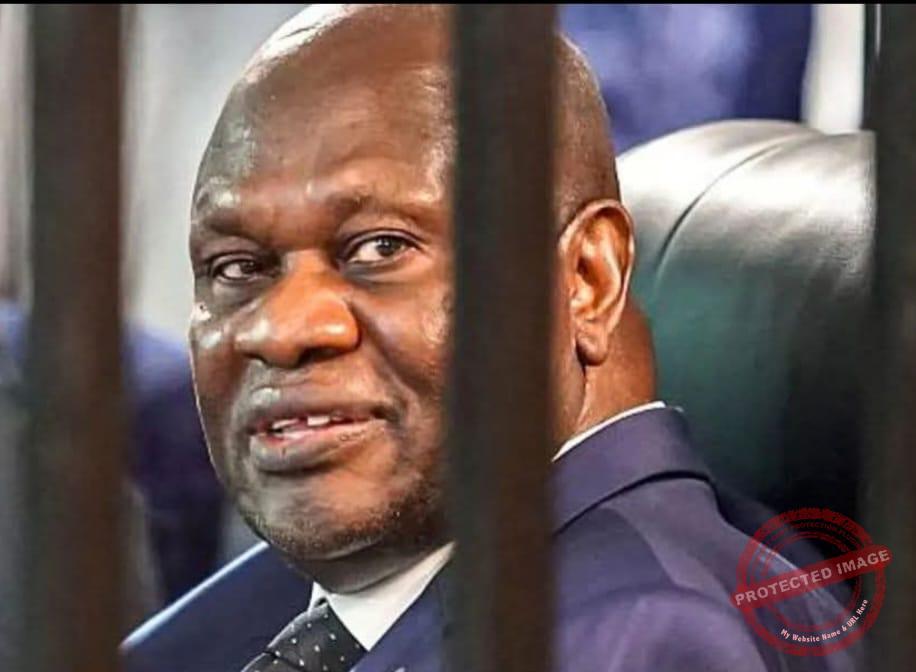
Africa-Press – South-Sudan. The Special Court has adjourned the trial of Dr. Riek Machar and seven co-accused after the defence asked the court to dismiss a digital forensic report presented by a South African forensic investigator.
The court said tribunal members need more time to study the final objection raised by the defence against the prosecution’s digital forensic report.
Presiding Judge Justice Dr. James Alala announced that the hearing will resume on 25th February 2026.
He said some tribunal members are unwell and have not fully reviewed legal provisions cited by the defence, including Articles 42 to 52 of South Africa’s Cybercrimes Act 2020.
During the last session, the defence asked the court to declare the digital forensic report null and void.
On Monday, the defence also objected to the admission of a diplomatic bag used to transport electronic devices to South Africa.
The prosecution wants the bag marked as Prosecution Document 9-F.
However, the defence argues that the evidence is invalid under the Cybercrimes Act, saying the South African digital forensic expert, Ratlhogo Peter Calvin Rafadi, lacked jurisdiction to produce the report.
The digital forensic report includes six supporting documents. These include requests for forensic assistance from South Africa, letters from the Ministries of Justice and Foreign Affairs, and documents sent through diplomatic channels.
Prosecutors say the forensic report is key to their case. They allege that Dr. Machar and his co-accused organized a March 2025 attack on an SSPDF garrison in Nasir County, Upper Nile State.
According to the prosecution, the attack killed 257 soldiers and led to the destruction or seizure of military equipment worth about 58 million US dollars.
Dr. Machar and the seven others face charges including treason and murder. Dr. Machar and the other accused deny the charges and say the trial is politically motivated.
Meanwhile, the court also ruled on a separate petition filed on 2nd February by Dr. Machar’s lawyers. The defence accused security officers of subjecting the accused to degrading treatment. This included removing undergarments during searches, stopping them from wearing suits in court, conducting intrusive searches, and confiscating personal books.
The court directed the National Security Service to follow lawful detention procedures and respect the constitutional rights of the accused. It also ordered that the notebooks be returned to allow the accused to take notes during court sessions.
The judges ruled that searches at the entrance and exit of the courtroom are legal but must be carried out in a dignified and respectful manner.
For More News And Analysis About South-Sudan Follow Africa-Press