Africa-Press – South-Sudan. A new report by Médecins Sans Frontières warns that South Sudan’s health system is on the verge of collapse as violence escalates across the country and international support continues to decline.
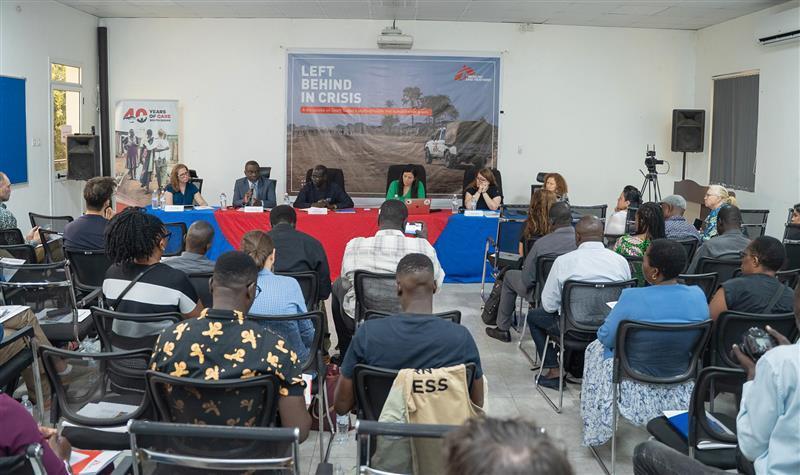
The report, titled Left Behind in Crisis: Escalating Violence and Healthcare Collapse in South Sudan, indicates a nation facing overlapping shocks from conflict and displacement to disease outbreaks and a breakdown in essential services.
Médecins Sans Frontières says people across South Sudan are running out of options as the country faces its worst humanitarian and healthcare crisis in years. In its new report, MSF warns that the combination of increasing violence, failing health facilities, and shrinking donor support is threatening lives on a massive scale.
Dr. Sigrid Lamberg, MSF’s head of field operations in South Sudan, says the health system has reached a breaking point.
“South Sudan’s health system is stretched to breaking point. In every location where MSF works, our teams witness huge gaps in health services. Health facilities are either non-functional or severely under-resourced. Chronic shortages of medicine and staff mean that people are dying from preventable and treatable diseases. Health facilities need support on the ground, not on paper.”
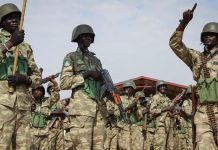
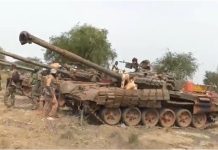
According to the report, violence between government forces, opposition groups, and non-state armed groups surged sharply this year — the worst escalation since the 2018 peace deal.
The United Nations estimates that since January, more than 320,000 people have been newly displaced, and at least 2,000 civilians have been killed.
MSF health teams have been treating the consequences. Between April and November alone, the organization treated 141 trauma patients in Malakal — including women and children — many suffering from gunshot wounds and burns from bombings.
But it’s not just the fighting that’s taking lives. Health services across the country have been crippled. There have been widespread attacks on clinics and hospitals — a direct violation of international humanitarian law.
MSF says it experienced eight targeted attacks on its staff and facilities this year in Central Equatoria, Jonglei, and Upper Nile states.
Two hospitals — in Ulang and Old Fangak — were forced to shut down. And on December 3rd, an MSF facility in Pieri was hit by an airstrike. More airstrikes followed that same day in Lankien, where MSF also operates.
The collapse of healthcare is especially devastating for communities already facing multiple emergencies: conflict, displacement, floods, malnutrition, and one of the largest choleras outbreaks the country has ever seen.
Even the government’s flagship Health Sector Transformation Project — backed by donors including the World Bank, UNICEF, and the EU — has struggled to keep up.
The programme initially aimed to support more than 1,100 health facilities. Today, only 816 facilities receive support, and many of them still lack basic medicines and staff.
One mother in Toch, Jane not her real name, told MSF that even when she reaches a clinic, there is often nothing available.
“I travelled from Keurdeng, it took one hour. There is a small health facility, but it does not have all the medication — sometimes they finish supplies very fast. I took the child to the health centre, but there was no medication.”
Malaria — the leading cause of death in South Sudan — remains a major threat. This year, nationwide stockouts of malaria drugs left thousands without treatment during peak season. Between January and September, MSF teams treated 6,680 people with severe malaria who required hospitalization.
MSF says urgent action is needed to prevent more loss of life. The organisation is calling on international donors to renew their commitments, saying the humanitarian response is failing to meet rising needs. It also urges the Government of South Sudan to increase health spending. Despite signing the Abuja Declaration, which commits countries to allocate 15 percent of their national budgets to health, South Sudan currently allocates just 1.3 percent.
Dr. Lamberg says the world must not look away. “The situation in the country is catastrophic. The urgent needs of people in South Sudan demand coordinated action, renewed commitment, and genuine international solidarity. The world can’t look away, especially not now.”
As the country closes out 2025, MSF warns that without immediate action , including protection for civilians, respect for health facilities, and unimpeded humanitarian access, South Sudan’s worsening crisis could leave even more people without the lifesaving care they depend on.
For More News And Analysis About South-Sudan Follow Africa-Press