
The Ministry of Health has announced the termination of support to more than one hundred health facilities across the country under a World Bank-funded initiative, citing funding shortages.
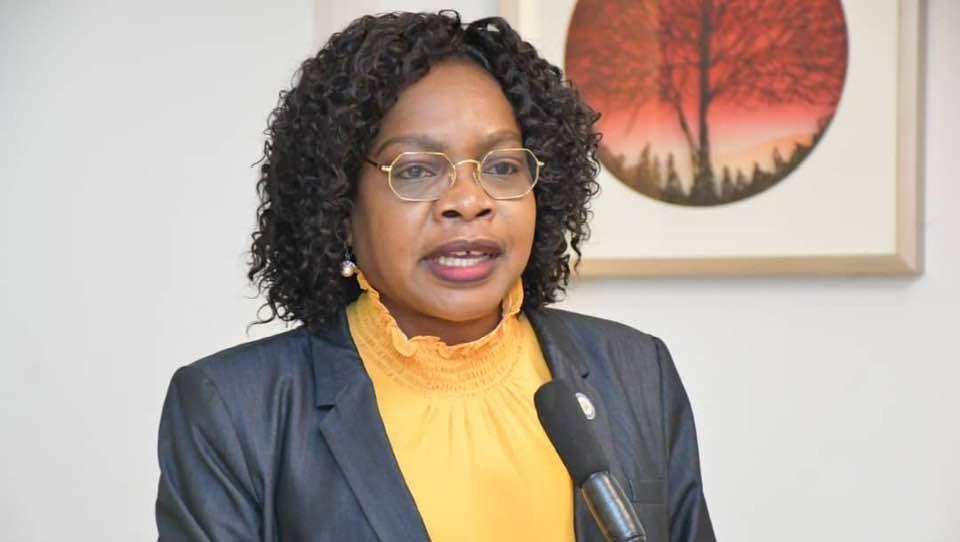
In a letter dated January 13 and seen by Eye Radio, the Minister of Health, Sarah Cleto Rial, informed state governors and chief administrators of scale-down measures aimed at keeping the World Bank-supported Health Sector Transformation Project (HSTP) financially viable until June 2027.
The letter said the decision followed a comprehensive review of the project’s financial position and consultations with key stakeholders, including State Ministries of Health, development partners and United Nations agencies such as UNICEF and the World Health Organization (WHO).
According to the Ministry, the measures include the discontinuation of HSTP support to 102 health facilities nationwide.
Support to six hospitals will also be reduced, effectively downgrading them to lower service levels, alongside a gradual reduction in incentives for health workers.
Other measures include cuts to operational costs and a scale-down of in-service training for health workers.
The Ministry said the steps were taken only after earlier cost-saving measures, including reductions in programmatic, direct and indirect costs, failed to address the funding gap.
“These decisions were taken as a last resort to preserve the project and protect essential health services, rather than risk abrupt disruption,” read in part the statement.
The Ministry explained that several factors guided the selection of facilities for discontinuation, including security conditions, functionality, duplication with nearby facilities and the need to maintain critical referral pathways within counties.
Health facilities that had closed due to insecurity and remained non-operational for long periods were prioritized for removal from the program.
Upper Nile State is the most affected, with 28 health facilities losing support, including three county hospitals, nine Primary Health Care Centres (PHCCs) and sixteen Primary Health Care Units (PHCUs).
Western Equatoria follows with 20 facilities, including 2 PHCCs and 18 PHCUs. Central Equatoria comes third with 14 facilities, followed by Jonglei with 12.
Western Bahr el Ghazal and Eastern Equatoria will each lose 5 facilities, while Lakes and Northern Bahr el Ghazal will each lose 4. Warrap and Unity are affected by 3 facilities each, Ruweng Administrative Area by 2, and Pibor Administrative Area by 1.
The Ministry acknowledged that the decision will have real consequences for communities but said consultations at the state level helped shape the final list to minimize service gaps.
It urged governors to take a leading role in maintaining essential health services during the transition period.
The Health Sector Transformation Project is one of South Sudan’s flagship health programs, funded by the World Bank and other partners to support the delivery of basic health services nationwide.
The cuts come amid growing financial pressure on the country’s health sector.