Africa-Press – South-Sudan. JUBA, South Sudan (Eye Radio) – The Ministry of Peacebuilding has intensified efforts to ensure the process does not slide into violence, focusing on a robust system to settle political arguments, as the country heads to its first post-transition general elections in December 2026.
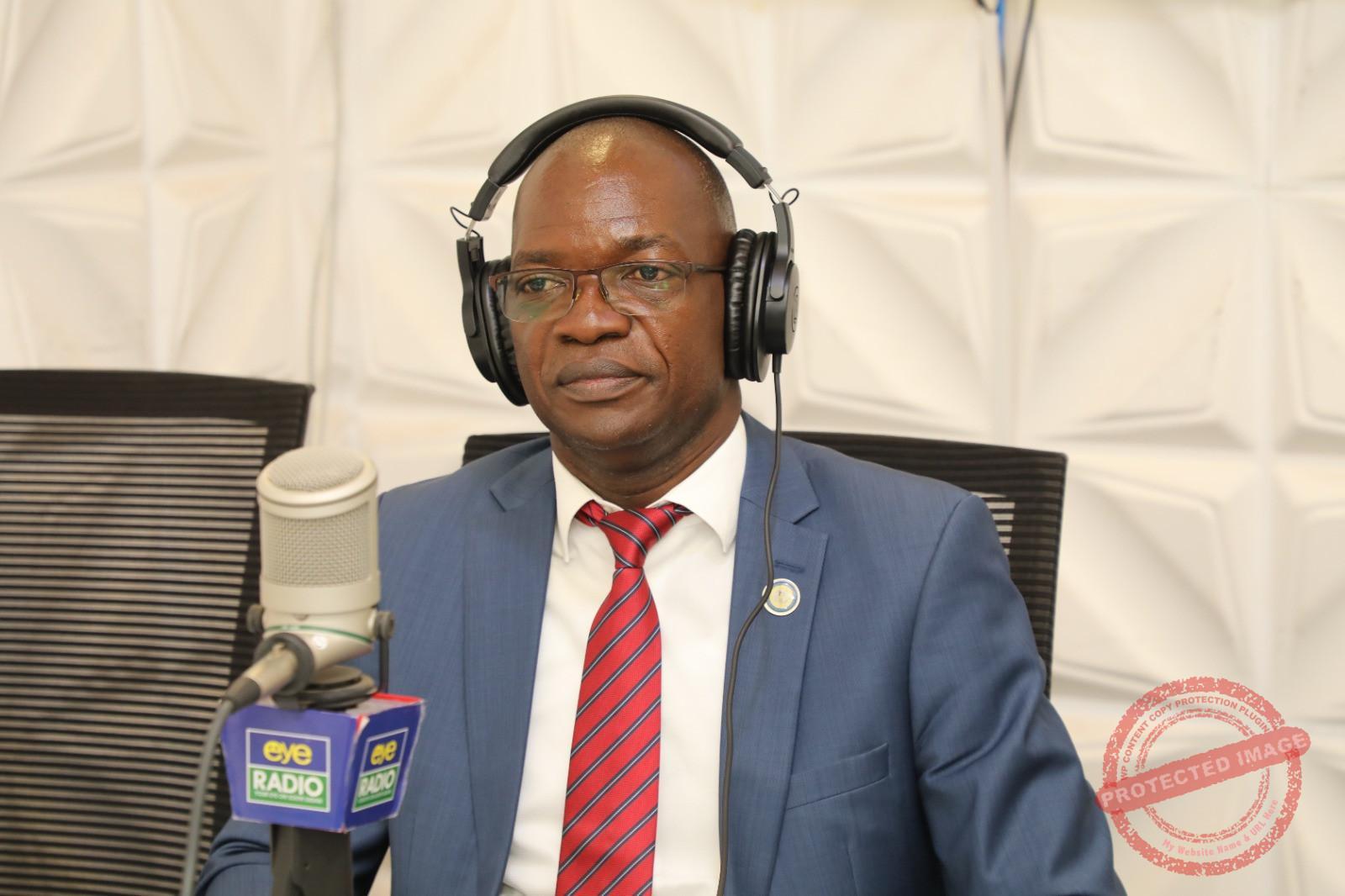
Under-Secretary Pia Philip Michael warned that the upcoming vote is a double-edged sword for the nation’s stability. Speaking during a multi-stakeholder forum in Juba on Thursday, February 13, he brought together the judiciary, political parties, security forces, and civil society to design a “referee” system for the polls.
“An election can bring peace; an election can also bring more conflict,” Mr Michael stated bluntly. “So, the election dispute mechanism is what we are looking at. That’s bringing all these teams together.”
The Under-Secretary noted that while the government is committed to the December 2026 timeline, the history of conflict in South Sudan makes this more than just a technical exercise. He revealed that the Ministry has reached out to the African Union for resources to address potential drivers of violence before they escalate.
For the Ministry, the focus is shifting from simple voter education to deep-rooted reconciliation. Michael argued that in a country emerging from years of war, simply teaching people how to mark a ballot is insufficient.
“In a context like ours where we are coming out of a violent conflict… it is not enough to only focus on civic education,” Michael explained. “We have to first set a strong base in terms of dialogue and reconciliation, and agree together that we are going for the election. That is why we are looking beyond voter education to other issues.”
A central part of this strategy is the “dispute resolution mechanism.” The Under-Secretary acknowledged that friction is a natural part of any democracy, but emphasized that the response must be institutional. “For every election, there will be some dispute,” he said. “One of [our goals] really is coming up with an acceptable dispute resolution mechanism. If there are disagreements, what should be done? And how can we prepare?”
The Ministry is also working to change the relationship between the public and the armed forces during the electoral period. Key initiatives include “early warning” systems to detect local tensions and efforts to ensure security personnel are seen as “protectors” rather than sources of intimidation.
Officials are currently identifying potential “flashpoints” at the state and county levels to promote grassroots dialogue. By bridging the gap between the military and the community, the Ministry hopes to build the public confidence necessary for a peaceful transition.
As the forum concluded, authorities urged South Sudanese citizens to maintain faith in the process, framing the 2026 vote as a historic opportunity for democratic representation and national accountability.
Previous Post
Cardinal Ameyu arrives in Wau ahead of 100-year celebration of Deim Zubeir church
Next Post
Budget Hearing: Undersecretary warns of “painful” choice between supporting elders and employing youth
For More News And Analysis About South-Sudan Follow Africa-Press