Africa-Press – South-Sudan. Energy experts say shared infrastructure under the Nile Basin Initiative (NBI) is critical to stabilizing electricity tariffs and strengthening economic ties among member states.
Eng. Jacob Manyuon Deng, Power Program Officer, said a regional effort is underway along the River Nile to transform water resources into electricity and deepen cooperation among riparian countries.
This week, Juba is hosting senior officials, technical experts and governance representatives of the NBI system as South Sudan joins nine other member states to mark Nile Day on February 22.
The NBI was established in 1999 by ten Nile riparian countries to promote cooperative management and development of the Nile’s water resources.
Its institutional structure includes the Nile Basin Secretariat (Nile-SEC), headquartered in Entebbe; the Eastern Nile Technical Regional Office (ENTRO), based in Addis Ababa; and the Nile Equatorial Lakes Subsidiary Action Program (NELSAP), headquartered in Kigali.
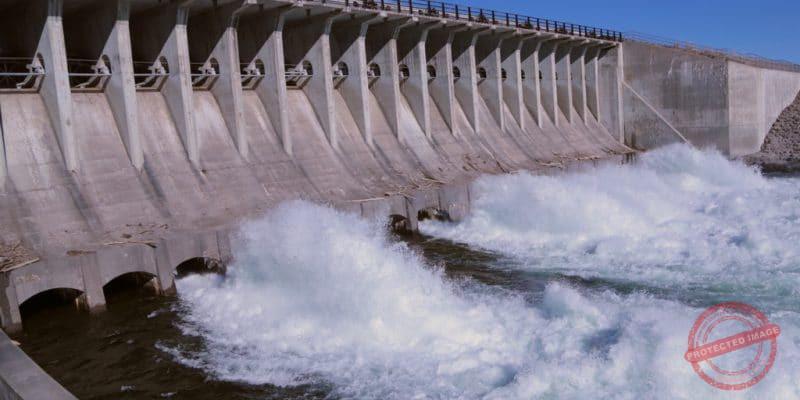
NELSAP focuses on water resources management and regional power development, converting the Nile’s hydropower potential into electricity for member states.
Together, the institutions coordinate cross-border projects, mobilize funding and oversee implementation of major infrastructure programs that individual countries would find difficult to execute independently.
Officials from NELSAP, ENTRO and Nile-SEC are in Juba for quarterly governance meetings, technical advisory sessions and ministerial discussions scheduled to conclude later this week.
While Nile Day celebrations on February 22 will include public marches and awareness activities, officials say the primary focus remains on expanding access to affordable electricity.
“The product of water is power,” one senior engineer said during discussions, noting that cross-border hydropower transmission is one of the most tangible benefits of regional cooperation.
South Sudan currently faces some of the highest electricity tariffs in the region due to its reliance on diesel-powered thermal generation. Tariffs in Juba are estimated at approximately 42 cents per kilowatt-hour, making electricity costly for households and businesses.
At the same time, the country has significant untapped hydropower potential — estimated at more than 2,000 megawatts along the Nile corridor from Eastern Equatoria to Central Equatoria.
Major sites such as Fula and Grand Fula are projected to generate up to 1,080 megawatts if developed. However, large-scale hydropower projects require six to seven years to construct, substantial financing and extensive technical preparation.
As an interim solution, South Sudan is pursuing regional power integration.
Under NELSAP coordination, the South Sudan–Uganda Power Interconnection Project (SUPIP) aims to import lower-cost electricity from Uganda through a 400-kilovolt high-voltage transmission line running from Bibiya to Juba.
The project is funded by development partners, including the European Union and the African Development Bank, alongside contributions from member states.
Unlike smaller cross-border electrification lines serving border towns such as Nimule and Kaya, SUPIP is designed as backbone infrastructure. Once completed, it is expected to supply Juba with more affordable electricity, establish a major substation in Gumbo, Nesitu, and lay the foundation for a future national grid. It could also enable South Sudan to export power once domestic hydropower plants are operational.
Officials say procurement is nearing completion, with an Engineering, Procurement and Construction contractor expected to be recruited later this year. Full implementation is anticipated to take approximately three years.
The transmission line will also incorporate Optical Ground Wire fiber optic cable along its pylons, creating a secure communications backbone. Experts say closer proximity to fiber infrastructure could help reduce internet costs and improve digital connectivity nationwide.
Responding to public concerns about delays in constructing major dams, officials cited insecurity, financial constraints and lengthy development requirements. Large hydropower projects must meet international standards, including feasibility studies, environmental safeguards and resettlement frameworks.
They emphasized that the interconnection project is a short- to medium-term solution while preparations for national hydropower development continue.
“This is not a foreign company project,” one engineer said. “South Sudan Electricity Corporation is the executing agency on our side. NBI coordinates because it is a transboundary project.”
South Sudan’s annual subscription to the Initiative stands at 311,000 US dollars. Although some member states face financial challenges, officials maintain that the institution remains functional, with continued support from partners such as the World Bank, the African Development Bank and KfW.
Officials say the Nile Basin Initiative represents more than infrastructure, describing it as a platform for regional integration through shared water resources and power generation.
For South Sudan, they say, importing electricity does not signal abandonment of hydropower ambitions but rather a strategic step toward long-term energy security.
The same transmission lines that will carry Ugandan electricity to Juba could in the future transmit South Sudanese hydropower across the region.
As Nile Day approaches, officials in Juba underscored the importance of cooperation, stating that partnership remains essential to unlocking the Nile’s full potential.
For More News And Analysis About South-Sudan Follow Africa-Press