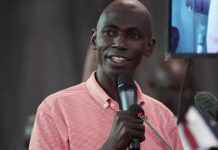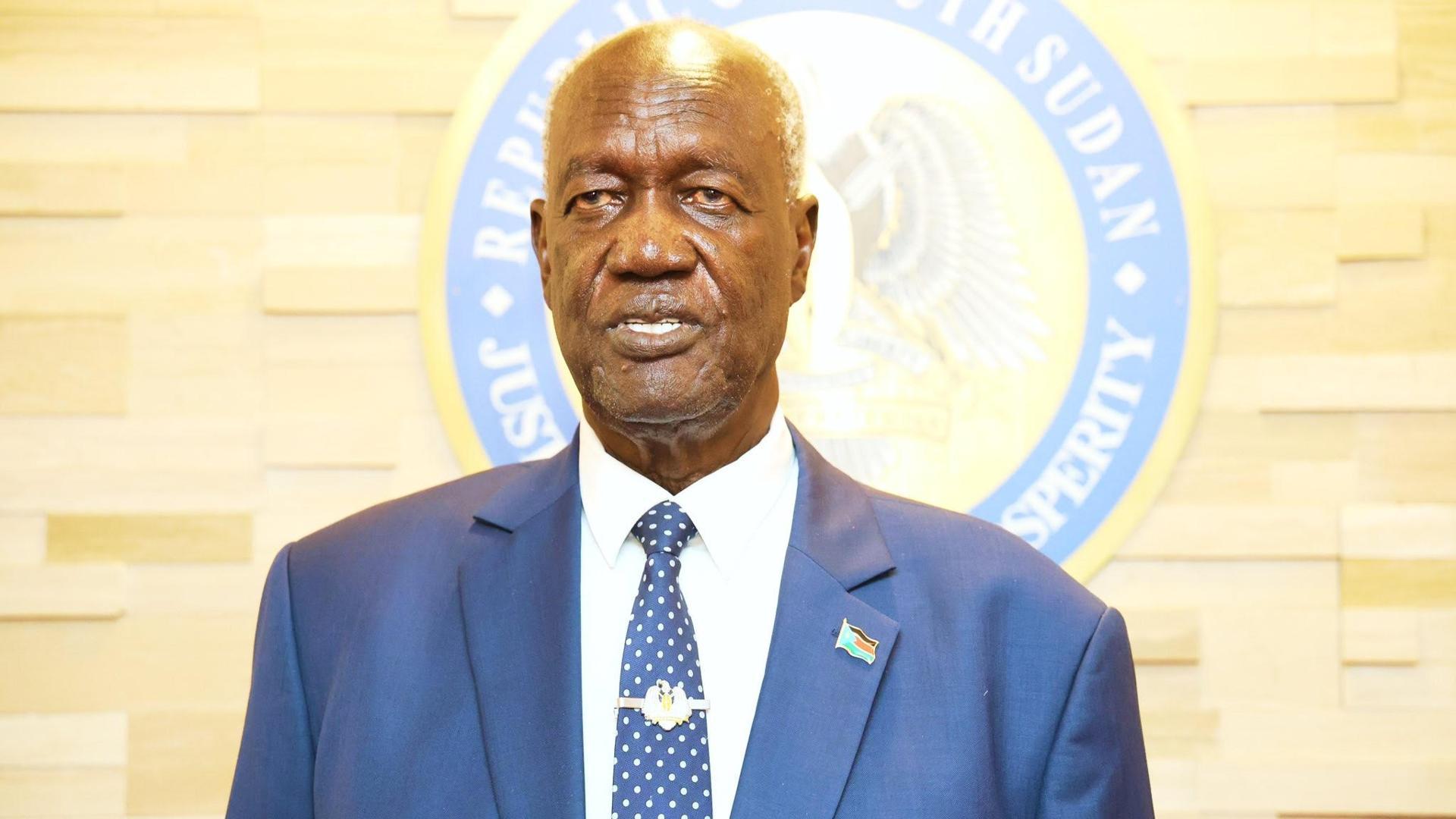
Africa-Press – South-Sudan. Controversial Senior Presidential Advisor Kuol Manyang Juuk has blamed the crisis in South Sudan on what he called “laziness” among citizens and dismissed the view that ethnic polarisation is playing a role.
Speaking during a prayer on the body of late Bishop Nathaniel Garang in Juba, Kuol argued that South Sudanese have the resources to feed themselves but fail to use them.
“The crisis we have in South Sudan here is not tribalism at all. I dispute it. It is laziness. God has created food all around us… but we are too lazy to exploit this food,” he said.
He pointed to what he described as cultural attitudes toward certain foods and a reluctance to work, saying hunger in the country is often self-inflicted.
“We discriminate some foods… frog is bad, lizard is bad, dog is bad. But these are all foods. But we don’t want to use our minds,” he said.
The veteran politician warned that idleness fuels poverty, jealousy, and crime, linking economic hardship to rising insecurity.
“When we have nothing to eat, then jealousy comes. We make crimes. We go and steal. We kill others,” he added.
Kuol also criticised dependence on foreign aid, questioning why a country with vast land and natural resources continues to rely on outside assistance.
“We want America to give us food. From where does America get the food?… Suppose there were no oil, what would have been the situation? We would have farmed. Then why don’t we farm?” he asked.
He urged citizens to embrace agriculture, especially during the rainy season, and called on young people to take initiative, promising to lead by example.
“I will start now doing my own farm… and I will challenge them,” he said.
The advisor further linked poor governance and corruption to the country’s struggles, saying dishonesty and the pursuit of wealth without productivity weaken the state.
“We are the ones making ourselves poor. And being poor, we generate jealousy,” he said.
Despite his criticism, Kuol emphasised national unity over ethnic identity, urging South Sudanese to see themselves as one people.
“I refused to call myself by a tribe… I am a South Sudanese,” he said.
He concluded by calling for practical solutions over repeated peace deals, stressing that sustainable peace depends on economic productivity.
“We don’t sign agreements… I need food now and tomorrow and next tomorrow,” he said.
For More News And Analysis About South-Sudan Follow Africa-Press