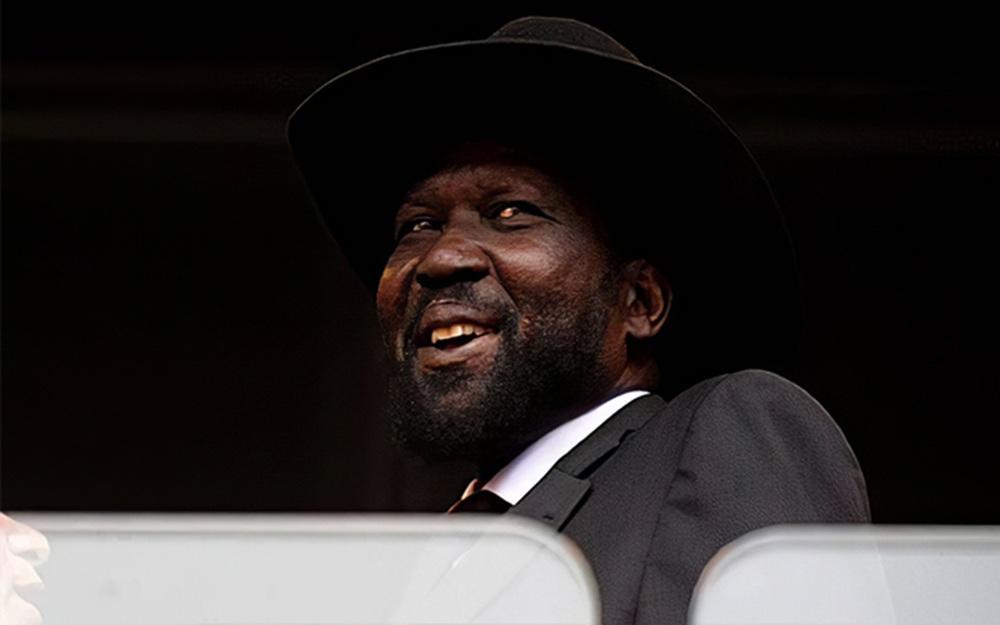
Africa-Press – South-Sudan. South Sudan’s oil production under the Greater Pioneer Operating Company (GPOC) has reached 60,000 barrels per day, the highest level recorded by the consortium since it began operations in the country in 2005, officials said after briefing President Salva Kiir on Wednesday.
The increase marks a significant recovery for South Sudan’s petroleum sector, which remains the backbone of the country’s economy and the main source of government revenue and foreign currency earnings.
Senior petroleum officials, including Petroleum Ministry Undersecretary Santino Ayuel Longar, Nilepet Managing Director Emmanuel Athiei Ayual, and GPOC President Hou Fudou, informed Kiir that production from GPOC-operated fields had risen from 44,000 barrels per day to 60,000 barrels per day.
According to a statement issued by the presidency, Kiir welcomed the increase and urged oil sector stakeholders to maintain stability in the producing areas and continue efforts to expand production.
“[The president] urged oil sector stakeholders to maintain stability in the oil fields and continue efforts to increase production,” the statement said.
Kiir also said South Sudan possessed sufficient natural resources to finance its own development if managed effectively.
“He stressed that South Sudan has the resources and potential to finance its development agenda through the responsible and efficient management of its natural wealth,” the presidency said.
The increase in output represents a major milestone for an industry that has faced repeated disruptions since South Sudan gained independence in 2011.
Oil production once exceeded 300,000 barrels per day shortly after independence but later declined sharply because of civil conflict, insecurity, aging infrastructure, and technical challenges in the oil fields.
The sector suffered a further setback in 2024 when exports through Sudan were disrupted after damage to a key pipeline carrying South Sudanese crude to Port Sudan on the Red Sea.
South Sudan relies almost entirely on pipelines running through neighboring Sudan to export its crude oil, making the industry vulnerable to instability across the border.
Sudan has been engulfed in a civil war since April 2023 between the Sudanese Armed Forces (SAF) and the Rapid Support Forces (RSF), a conflict that has damaged infrastructure, disrupted trade routes, and complicated the movement of South Sudanese oil exports.
At the same time, South Sudan has struggled to fully implement the 2018 peace agreement that ended a five-year civil war between forces loyal to President Kiir and those aligned with First Vice President Riek Machar. Delays in security reforms, constitution-making, and preparations for elections have continued to raise concerns about long-term political stability.
Despite those challenges, officials said the latest production figures suggest a gradual recovery in the petroleum sector.
The figures announced on Wednesday relate only to GPOC-operated fields. When output from other operators is included, South Sudan’s total national oil production is estimated to exceed 100,000 barrels per day, according to industry officials.
The increase could provide a significant boost to government revenues at a time when South Sudan faces mounting economic pressures, including inflation, currency depreciation, and reduced public spending.
GPOC officials also highlighted investments in modern technology aimed at improving operational efficiency and sustaining production growth. They reported progress in training South Sudanese engineers, technicians, and contractors to build local capacity within the industry.
Kiir called for continued cooperation between government institutions and oil operators to maximize the benefits of the country’s petroleum resources.
For More News And Analysis About South-Sudan Follow Africa-Press