Africa-Press – South-Sudan. Tristar Group Country Director Ravneesh Aujla is calling for a powerful new alliance between the private sector, government, and sports institutions to accelerate the growth of athletics in South Sudan.
Since 2007, Tristar has served as a cornerstone of the nation’s logistics industry as the exclusive fuel supplier to the UN Mission (UNMISS). However, the company’s impact extends far beyond fuel. From drilling boreholes to supporting orphanages, Tristar has long invested in the South Sudanese people.
In 2018, following a visit by CEO Eugene Mayne, the company identified football as the ultimate unifying force for the nation’s youth, sparking a dedicated mission to build a world-class sporting foundation.
Aujla describes the current landscape through two contrasting paths: the virtuous cycle and the vicious cycle. In the virtuous cycle, corporate support fuels team performance, which in turn increases visibility and further sponsorship. Conversely, the vicious cycle creates a stalemate where corporates hesitate to invest due to a lack of international standards, while sports fail to improve because they lack the funding to do so.
Aujla noted that, except for basketball, sports in South Sudan have not yet reached international standards. He pointed out that corporate support remains very limited, creating a situation where both sides are waiting. Because sports cannot develop without financial backing, it becomes a waiting game that the nation must break to achieve progress.
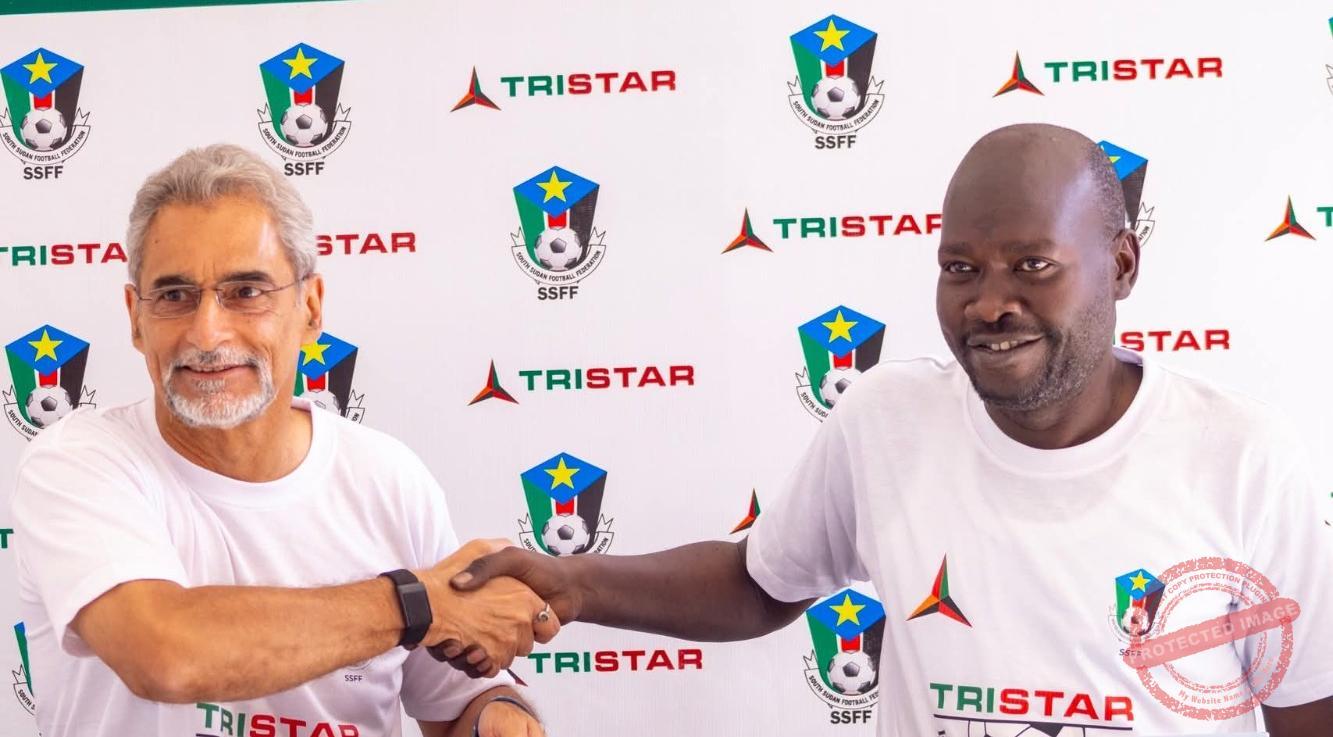
Tristar is doing more than just calling for change; they are actively funding it. What began as a $100,000 commitment in 2019 has grown into a $250,000 annual investment. This funding provides the lifeblood for the national football structure by covering coaching and technical salaries, providing team kits and equipment, and focusing heavily on youth development at the U-17, U-19, and U-23 levels.
Aujla explained that the national team does not happen out of nowhere. He emphasized that unless the country establishes strong leagues at the grassroots level, football cannot develop. He stressed that building a sustainable structure takes time and that nothing happens suddenly without a foundation of consistent competition across all states.
For Tristar, this investment serves as a vital social intervention. By engaging youth in structured sports, the company believes it can steer the next generation away from violence and drugs while offering direction and hope. Drawing comparisons to global giants like Emirates or the massive state investments in Saudi Arabian sports, Aujla emphasized that national pride is built on the back of consistent sponsorship and government recognition.
He welcomed previous efforts by the Ministry to engage the private sector and urged for more platforms that encourage these partnerships. He noted that while Tristar has received recognition through advertising space in the stadium, corporates also need broader support from other sectors, especially from the government, during these difficult economic times.
“If we create a virtuous cycle—where corporates support sports and sports perform well—everyone benefits. That is the future we hope to see in South Sudan.”
As Tristar continues its seven-year streak of support, the message to the nation remains clear: the talent is ready, but the virtuous cycle requires the government and the wider private sector to step off the sidelines and into the game. Company officials stress that meaningful progress requires patience, transparency, and a coordinated effort between the federation, corporate entities, and government institutions.
About Tristar Group Tristar is a global integrated energy logistics company. In South Sudan, it serves as a key partner to the United Nations and remains a leading advocate for community development through extensive CSR programs in health, education, and sports.
For More News And Analysis About South-Sudan Follow Africa-Press