Dau Barnabas
Africa-Press – South-Sudan. The union of drivers for public transport in Juba early this week announced new transport charges for all locations within the city.
The hike, according to the operators, was factored in due to the high pump prices as the pound takes a tumble for the worse against the dollar.
But the new charges have condemned commuters, especially those who rely on public transport, to the misery of having to dig deeper into their pockets.
A litre of fuel now retails at SSP 1,200, up from SSP 900.
*Khamis* has been operating boda boda in Hai Malakal for the last five years. He says this year is the worst for his business.
He says that with the hyperinflation, even the adjusted transport fare do not translate into profit for them.
“If we decide to increase the charges now because of the petrol price, we are not going to get customers because there are our competitors who can survive on the little pay but have large space for carriage, and boda boda only carries one person,” said Khamis.
Khamis said the continuous depreciation of the pound could hit them harder because their price won’t meet the demands of the traders whom they buy food from.
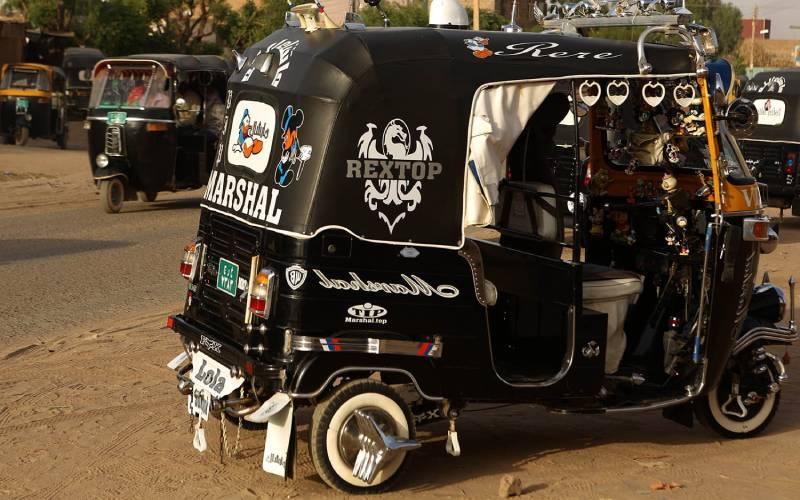
Lual Deng, who operates Raksha, said drivers contracted in the transport business will be badly affected by the trend through dwindling earnings.
According to Deng, the amount demanded by the owner will be constant, but when factoring in other charges like changing engine oil and the weekly mechanical repairs, the business will run into losses.
“One can make SSP 20,000 per day. In this amount, the owner will take SSP 5,000 while you leave SSP 5,000 at home.”
“The remaining SSP 10,000 is for the rider’s feeding and buying fuel, which at some point is not reliable,” Deng said.
The increase in transport charges is now forcing some commuters to resort to trekking. The City Review ascertained that there were those who used to take a bike to the bus park, but they are now forced to trek to the park to save on transport.
“I used to spend SSP 300 from Gumbo Suk to Konyo Konyo, but now with these current changes in price, which have almost doubled, I will be covering some distance walking, maybe up to the bridge, so that my fare can be enough,” said Wani, a hawker who sells shoes around Konyo Konyo.
The outcry from the drivers of motorbikes and rakshas is that their regular customers will eventually decrease if the situation doesn’t change.
Source: The City Review
For More News And Analysis About South-Sudan Follow Africa-Press