

What You Need to Know
The Tanzanian government has praised the collaboration between the University of Dar es Salaam and the University of Vienna, emphasizing its role in producing skilled experts in science and technology. Discussions included expanding scholarships and promoting expert exchanges to deepen this partnership, which is vital for both nations’ educational and diplomatic development.
Africa-Press – Tanzania. THE Tanzanian government has hailed a strong collaboration between the University of Dar es Salaam (UDSM) and the University of Vienna in science and technology, including solar energy, saying it produces highly- skilled experts for mutual benefit.
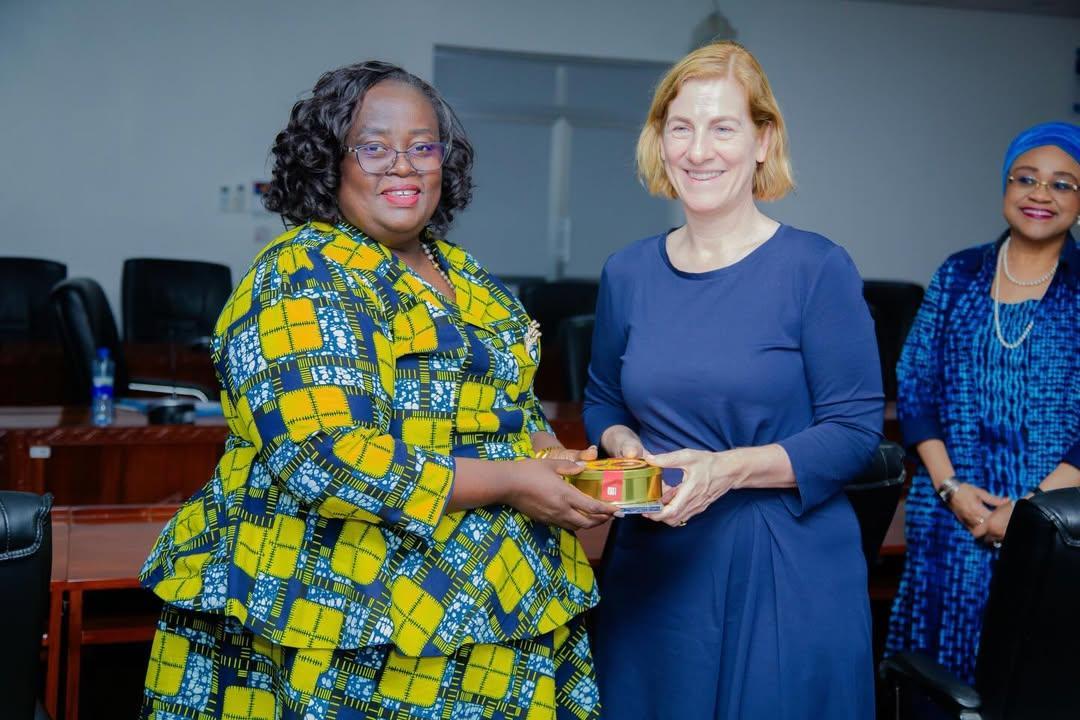
UDSM Deputy Vice Chancellor (Academic), Rose Upor, made the call during talks with an Austrian delegation led by the Deputy Minister for Foreign Affairs responsible for political affairs, Hannah Liko, which visited the university with the aim to strengthen education cooperation between Tanzania and Austria.
During their discussion, Prof Upor stressed the need to expand scholarships across various disciplines and promote exchange programmes for experts who can also teach through online platforms, as part of efforts to deepen the existing partnership.
Additionally, Tanzania’s Ambassador and Permanent Representative in Vienna, Naimi S.H. Aziz, noted that education cooperation between the two countries plays a key role in building skills, strengthening institutions, and improving service delivery.
On her part, Austria’s Deputy Minister for Foreign Affairs responsible for political affairs, Hannah Liko commended the ongoing collaboration between UDSM and the University of Vienna, proposing the introduction of German language studies at UDSM to further enhance academic exchange.
According to the minister, stronger education ties would contribute to both economic and diplomatic development for the two nations.
The partnership between UDSM and the University of Vienna focuses on four key strategic areas, including student exchange programmes to provide international exposure, exchange of academic and administrative staff, joint research addressing global challenges such as good governance and sustainable development, and co-publication of academic work to ensure African perspectives are well represented globally.
The collaboration between Tanzanian and Austrian universities reflects a growing trend in international educational partnerships aimed at enhancing academic quality and research capabilities. Such partnerships often lead to improved skill development and knowledge transfer, which are crucial for addressing local and global challenges. The focus on areas like solar energy and governance highlights the importance of sustainable development in educational initiatives, fostering a more interconnected global academic community.