
What You Need to Know
Tanzania is implementing measures to mitigate economic shocks from global unrest, particularly the ongoing conflict in the Middle East affecting oil markets. Prime Minister Mwigulu Nchemba announced a focus on enhancing mining activities and controlling public expenditure to stabilize the economy. The government acknowledges the inevitable impact of global economic disruptions and is closely surve
Africa-Press – Tanzania. TANZANIA has outlined two key measures to mitigate potential economic shocks arising from the ongoing war in the Middle East, as global oil markets face growing disruption.
The conflict involving the United States and Israel against Iran has already begun to affect crude oil production and transportation worldwide, following the reported closure of the Strait of Hormuz, through which about 20 per cent of global oil shipments pass.
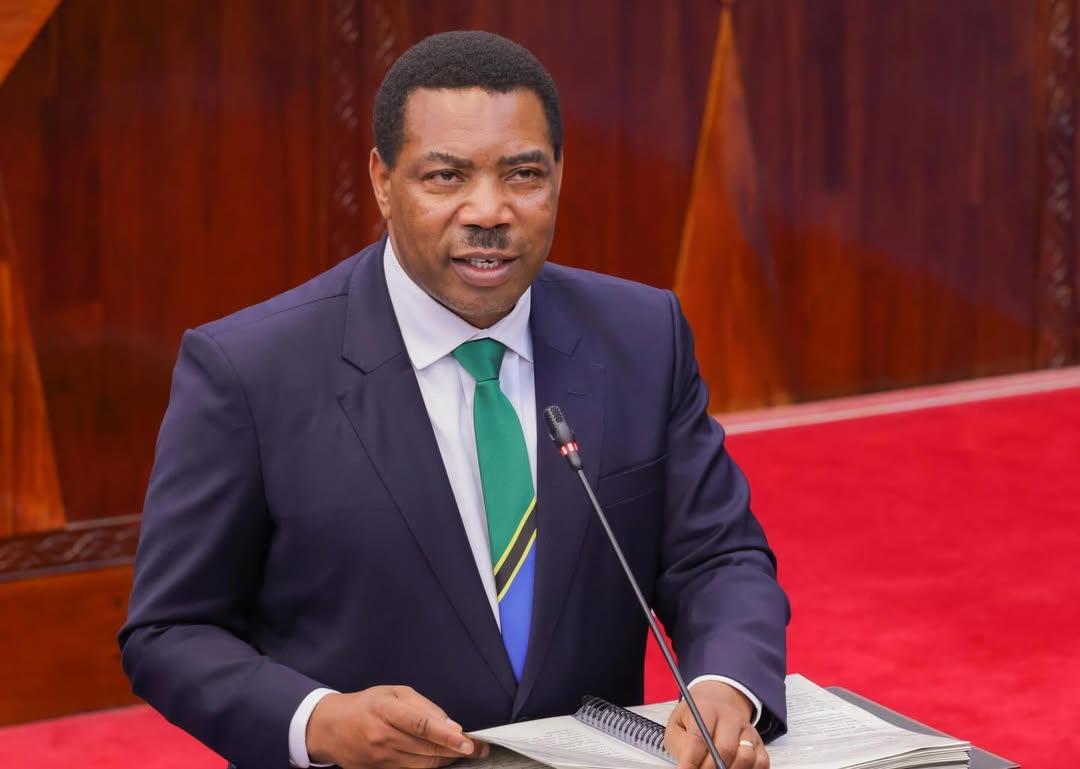
Responding to a question from Tunduru North MP, Ado Shaibu in the Parliament earlier today, April 2, 2026,, the Prime Minister Mwigulu Nchemba said the government’s immediate focus is on boosting mining activities and tightening public expenditure to cushion the economy.
The MP sought clarification on government preparedness to manage expected ripple effects on transport, mining operations and insurance sectors.
Additionally, the Premier acknowledged that Tanzania is not insulated from global economic shocks, noting that as a trading nation it will inevitably feel the impact of the unfolding crisis.
He stressed that the government is monitoring developments closely while reinforcing domestic revenue-generating sectors and controlling spending to maintain economic stability amid global uncertainty.
Tanzania’s economy has historically been influenced by global market dynamics, particularly in sectors like mining and oil. The ongoing geopolitical tensions, especially in the Middle East, have significant implications for global oil supply chains, which in turn affect countries reliant on oil imports. As a trading nation, Tanzania’s economic strategies often adapt to external shocks, emphasizing the importance of domestic revenue generation and prudent fiscal management to ensure stability during turbulent times.