

What You Need to Know
Today, Zanzibar commemorates the 54th anniversary of the assassination of Abeid Amani Karume, the Isles’ first President. National leaders, including President Samia Suluhu Hassan, will participate in prayers at Kisiwandui, reflecting on Karume’s pivotal role in the Zanzibar Revolution and promoting unity and social cohesion across Tanzania.
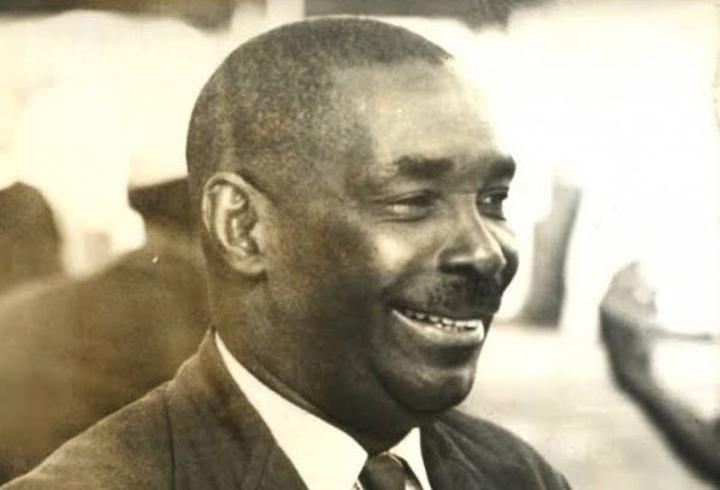
Africa-Press – Tanzania. PRESIDENT Samia Suluhu Hassan and Zanzibar President Hussein Mwinyi are expected to join top leaders and wananchi today at Kisiwandui for national prayers in honour of the late Abeid Amani Karume, the Isles’ first President following the 1964 revolution.
The annual commemoration marks 54 years since Karume’s assassination and remains one of the most significant national observances linked to the legacy of the Zanzibar Revolution, which transformed the Isles’ political, social and economic landscape.
The day is more than a memorial, it’s a day to celebrate national resilience, honour the founders’ sacrifices and promote unity and social cohesion across Zanzibar and Tanzania as a whole. Karume, a pivotal figure in the Zanzibar Revolution, was assassinated on April 7, 1969.
Remembering him honours his role in shaping Zanzibar’s post-revolution government and policies.
The revolution overthrew the Sultanate and colonial-backed systems, establishing a new political, social and economic order.
April 7 serves as a reminder of this transformative moment. Beyond mourning, the day encourages citizens to reflect on principles such as justice, sacrifice, unity and patriotism, values that underpin national cohesion.
Leaders use the occasion to remind young people of the country’s history, fostering awareness of national identity and the importance of contributing positively to society.
Through prayers and memorial events, it also serves as a time for collective moral reflection, reinforcing social solidarity and commitment to peaceful nation-building.
According to Zanzibar Director of Information Services (Maelezo), Mr Salum Ramadhan Abdulla, preparations for the event have been completed, with authorities set to host a high-level gathering of leaders, religious figures and members of the public.
In the lead-up to the national prayers, ministers and senior leaders visited the graves of founding figures of the Revolution, using the occasion to highlight the enduring relevance of their legacy.
Minister for Finance and Planning, Dr Juma Malik Akil said the 1964 Revolution opened a new chapter of development by dismantling oppressive systems and laying the foundation for equality and justice.
“The efforts of our founders created a vision of self-reliance that continues to guide national policies and development plans to this day,” he said, calling on young people to learn from the country’s history.
Minister for Labour, Economy and Investment, Mr Shariff Ali Shariff described the pioneers of the Revolution as architects of unity, peace and stability.
“They sacrificed greatly to build the unity we enjoy today. It is our responsibility to protect and preserve that legacy for future generations,” he said during visits to the graves of veteran leaders.
Minister for Information, Communication, Technology (ICT) and Innovation, Mr Mudrik Ramadhan Soraga, said the government’s decision to institutionalise annual prayers reflects its commitment to honouring national heroes while strengthening social cohesion.
“To truly value our leaders’ contributions, we must pass on their history and values to the next generation,” he noted.
Similarly, Minister for Water, Energy and Minerals, Mr Nadir Abdullatif Al-Wardy said current leaders continue to draw lessons in integrity, discipline and public service from the country’s founding figures.
The annual prayers, held every April, have evolved into more than a memorial event, serving as a platform for national reflection, unity and moral renewal.
Both President Samia and President Mwinyi have previously stressed that such gatherings reinforce the importance of peace, solidarity and patriotism, urging citizens to reject division and uphold shared national values.
Religious leaders and citizens use the occasion to pray for the departed while reflecting on the principles that guided the founders, including justice, sacrifice and commitment to nation-building.
Family members of the fallen leaders have welcomed the continued observance, saying it offers comfort and recognition of the sacrifices made in shaping modern Zanzibar.
The April 7 event at Kisiwandui is expected to draw large crowds, reaffirming the country’s commitment to preserving its history and strengthening unity as it looks to the future.
The Zanzibar Revolution of 1964 was a significant event that overthrew the Sultanate and colonial systems, leading to the establishment of a new political order. Abeid Amani Karume emerged as a key figure in this transformation, serving as the first President of Zanzibar. His leadership and policies shaped the Isles’ post-revolution landscape, emphasizing justice, equality, and national identity. The annual commemoration of his assassination serves as a reminder of the sacrifices made for the current political and social framework.