
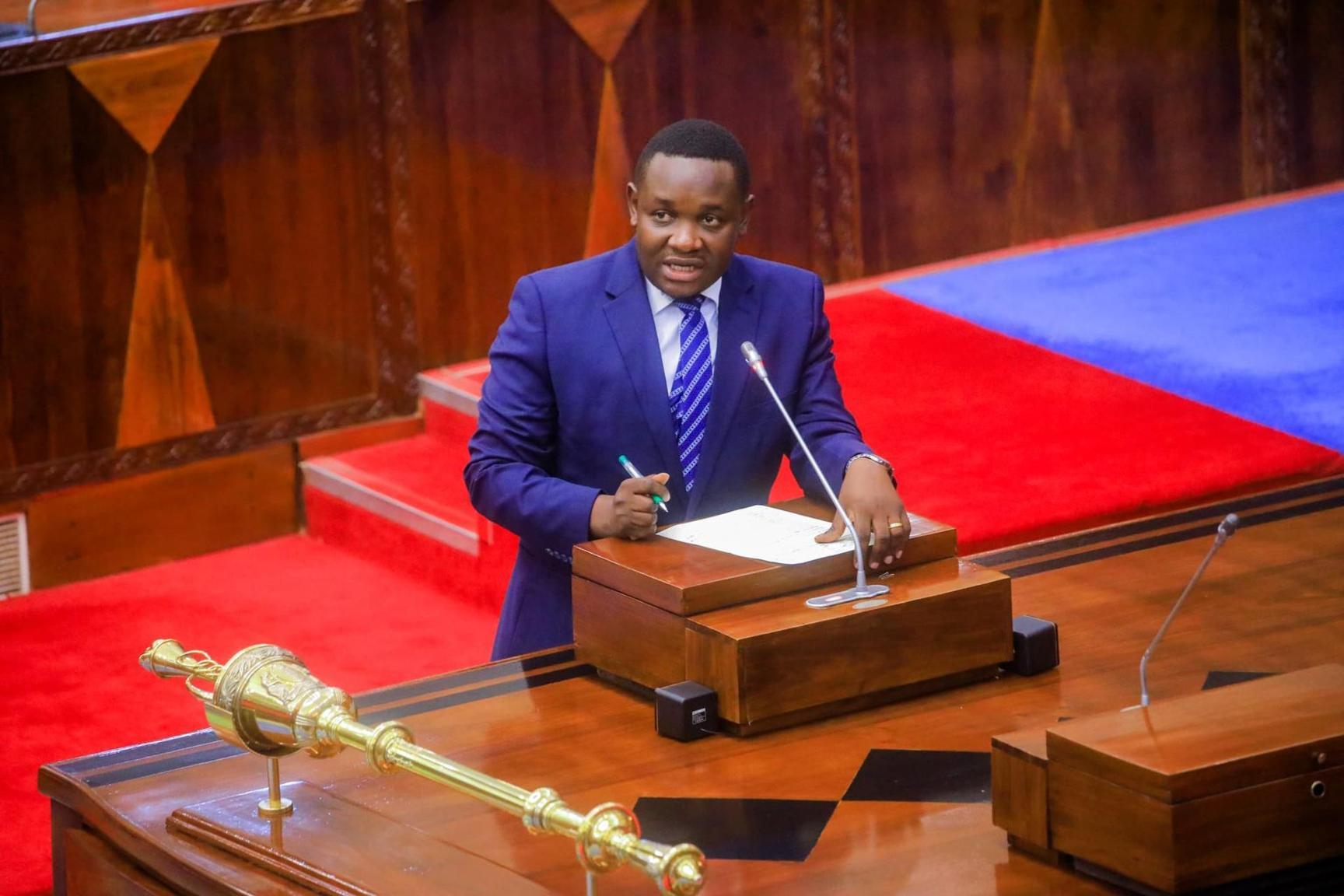
Africa-Press – Tanzania. DEPUTY Minister for Transport, David Kihenzile, has said women’s participation in major infrastructure projects, including the Standard Gauge Railway (SGR), is being strengthened through enforcement of gender policies and targeted capacity-building programmes.
He said the government has put in place policies, laws and guidelines aimed at promoting gender equality in employment, particularly in strategic projects.
“Contractors and consultants are required to comply with national policies and contractual conditions that demand equal employment opportunities for both women and men across various fields,” he said.
In her basic question, Special Seats MP (CCM), Ms Janeth Mahawanga, sought to know what steps are being taken to ensure women participate in large transport projects, including the SGR.
Responding, Mr Kihenzile said that under SGR construction contracts, contractors and consultants are required to adhere to all national laws, including those related to employment, labour and gender equality.
“The government has continued to emphasise implementation of these requirements to ensure women fully participate in such projects,” he said.
He added that regular monitoring and evaluation are being conducted to ensure gender equality targets are met and that women access available opportunities.
In a supplementary question, Ms Mahawanga sought to know whether the government has established special programmes or training to empower women to participate effectively in such projects.
Responding, Mr Kihenzile said several initiatives are being implemented to build capacity.
“There are various training programmes, including internships, aimed at equipping women with the necessary skills to participate in economic development,” he said.
He added that technical training programmes have also been introduced to strengthen women’s capabilities, alongside prioritisation in employment opportunities.
In a second supplementary question, the legislator asked what strategies are in place to ensure women benefit from procurement opportunities in major projects.
Responding, Mr Kihenzile said the government has embedded affirmative measures within the procurement system.
“Under procurement laws, 30 per cent of all tenders are reserved for special groups, including women,” he said.
He said that education remains key in empowering women to utilise such opportunities, adding that equal access to education has been expanded to ensure more women qualify for participation in major development projects.