

What You Need to Know
The Tanzanian Ministry of Health is enhancing public health response by training community actors to report health signals in real time. Supported by the Pandemic Fund, this initiative aims to cover 90 high-risk districts, improving surveillance and response to outbreaks. Early results show significant life-saving potential in disease detection.
Africa-Press – Tanzania. THE Ministry of Health’s goal to enable the 90 high-risk districts to detect and respond to public health threats races towards the desired goal as community actors are being well trained to report public health signals in real time, modernizing surveillance and enabling faster, more effective responses.
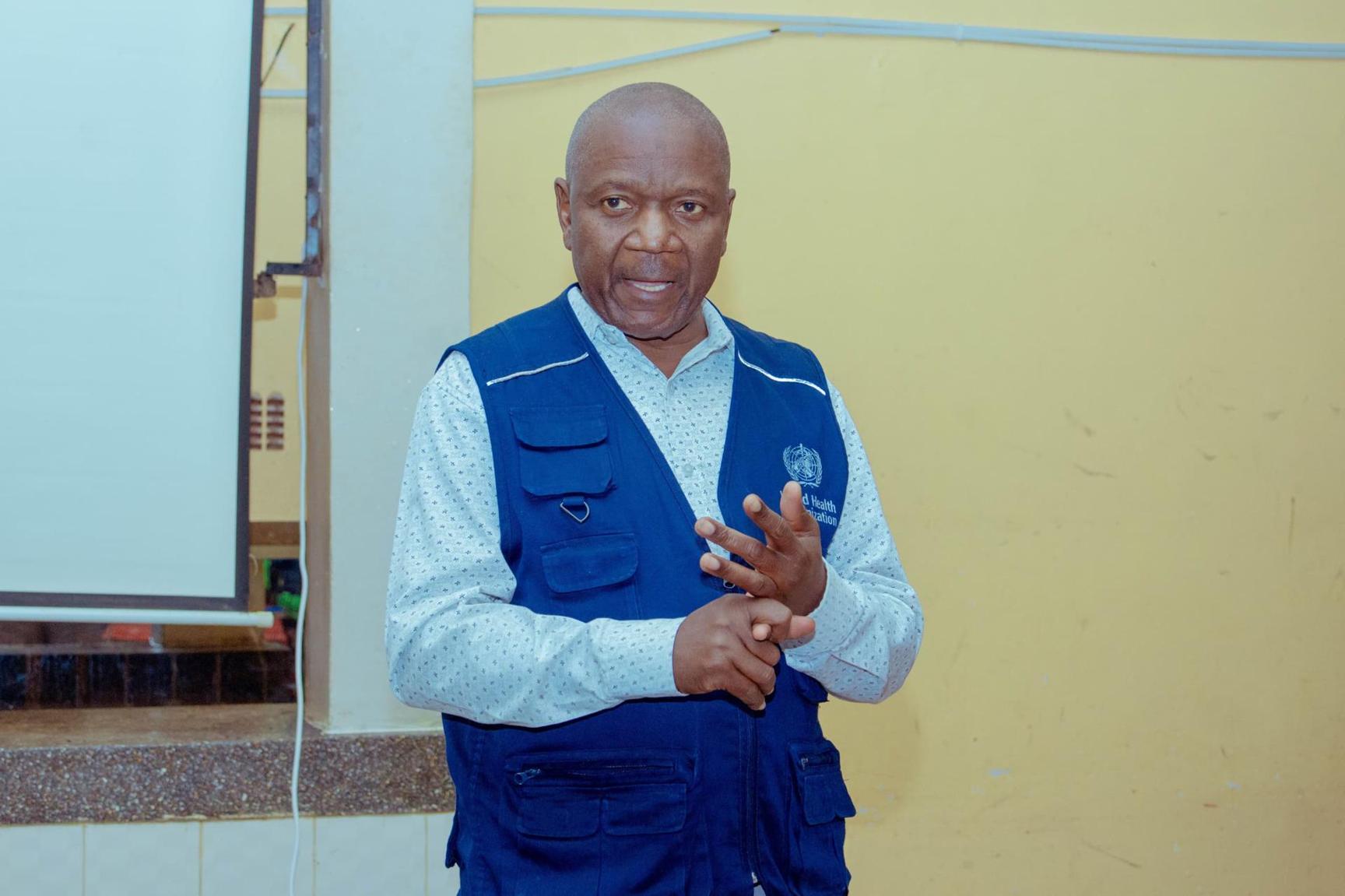
As disclosed by the Health Ministry’s EBS focal person Mr Emmanuel Mwakapasa, “This initiative is transforming how we safeguard communities. What used to take days to reach our desks now arrives instantly, enabling early detection, prompt investigation and timely response before outbreaks spiral out of control. Our goal to cover 90 high-risk districts will ensure no community is left behind.
He said Tanzania is undergoing a powerful transformation in how communities detect and respond to public health threats. With support from the Pandemic Fund, community actors are being trained to report public health signals in real time, modernizing surveillance and enabling faster, more effective responses.
Mwakapasa said the initiative has already expanded across eight regions Kagera, Mwanza, Geita, Kigoma, Ruvuma, Songwe, Rukwa and Katavi covering 47 districts, with the ambitious goal to reach 90 high-risk districts at the end of the project.
He said early results have demonstrated the system’s life-saving potential: cholera clusters in Ruvuma were detected within hours, enabling swift containment; mpox signals in 4 regions triggered immediate response; and several signals for other diseases, conditions and events reported from these regions raised early warnings.
These timely alerts are not only saving lives but also strengthening coordination and trust between communities and health authorities. Adding, the WHO Tanzania Surveillance Officer, Dr Boniphace Makelemo said: “Tanzania is setting an example for the region. By embedding digital tools at the community level, the country is building resilience against future pandemics and ensuring that no signal goes unnoticed. District Medical Officers are already seeing the benefits.”
“We can now receive the alerts from the community quickly via the system that enables to verify and take necessary actions including reassuring communities that their concerns are heard and acted upon,” said the Acting DMO Mr Kelvin Tui from Nkasi District. Community voices echo this impact. A respected elder in Rukwa shared, “Our people feel empowered. Before, we would report strange illnesses and wait endlessly. Now, with this system on our mobile, our voices reach the health authorities directly. It builds trust.”
A community health worker Rose Mbembela from Nkomolo village in Rukwa reflected, “I commend the Tanzanian government for this initiative. We will ensure that we play a role in the early detection of outbreaks by providing timely reports, unlike the previous situation where we used to submit paper reports to the facility, which sometimes got lost along the way.
Now, I just tap on my phone, and within minutes the district knows what is happening. It makes me proud to protect my community.”
The Tanzanian government has been increasingly focused on improving public health systems, particularly in high-risk areas. The introduction of real-time reporting through community actors represents a significant shift in how health threats are monitored and addressed. This initiative is part of broader efforts to strengthen health infrastructure and community engagement in disease prevention and response, especially in the wake of global health challenges such as the COVID-19 pandemic. By leveraging technology and local knowledge, Tanzania aims to build a more resilient health system capable of responding swiftly to emerging threats.