
What You Need to Know
The World Meteorological Organization has announced that the El Niño climate pattern is set to return by mid-2026, potentially leading to increased global temperatures and disrupted weather systems. Early indicators suggest a strong event may develop between May and July, with significant implications for rainfall and temperature patterns worldwide, particularly affecting regions like southern SA,
Africa-Press – Tanzania. The warming El Niño climate pattern is expected to return by mid-2026, potentially driving higher global temperatures and disrupting weather systems worldwide, the World Meteorological Organization said Friday.
The UN agency indicated that El Niño conditions could develop as early as May to July, with early data pointing to a particularly strong event.
Rising sea surface temperatures in the equatorial Pacific Ocean are already signaling the shift.
According to Wilfran Moufouma-Okia, there is high confidence that El Niño will not only emerge but intensify in the months ahead.
Global temperature and rainfall shifts
El Niño is a naturally occurring climate phenomenon that warms ocean surface temperatures in the central and eastern Pacific, altering wind and rainfall patterns across the globe.
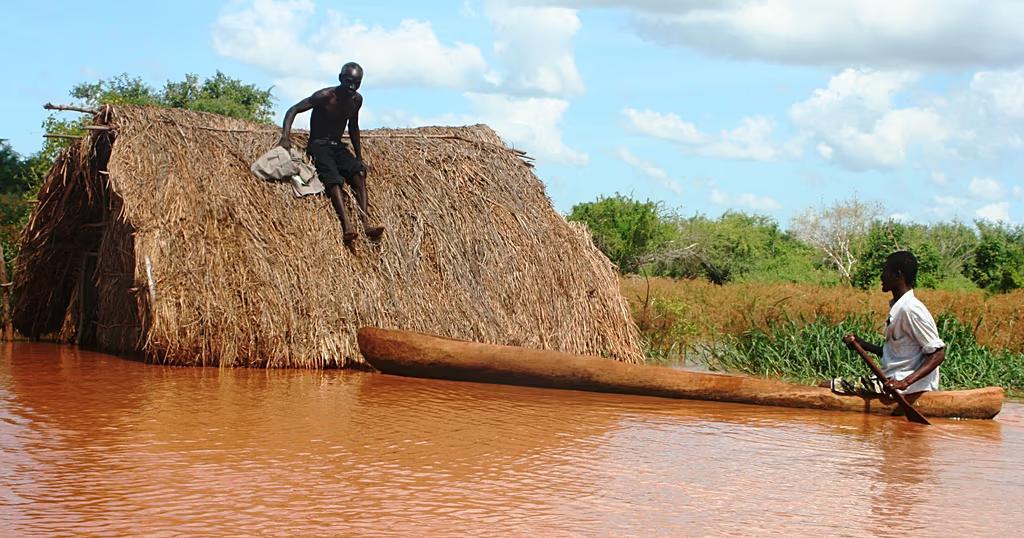
It is typically linked to heavier rainfall in regions such as southern South America and the Horn of Africa, while bringing drought conditions to countries like Australia, Indonesia, and parts of Southeast Asia.
Forecasts suggest that from May to July, land temperatures will be above normal across most of the world, with particularly strong warming expected in parts of North America, Europe, and northern Africa.
Impact of climate change
While El Niño occurs every two to seven years and is not directly caused by climate change, scientists warn that global warming can intensify its effects.
The WMO noted that the combination of the previous El Niño event and human-driven climate change made 2024 the hottest year on record, following extreme heat in 2023.
Preparing for the consequence
The agency says early warnings could help governments and industries prepare, especially in sectors such as agriculture, water management, energy, and public health.
With a strong El Niño likely on the horizon, experts stress the importance of readiness as the world faces another period of heightened climate variability.
El Niño is a recurring climate phenomenon characterized by the warming of ocean surface temperatures in the Pacific, influencing global weather patterns. Historically, it has been linked to extreme weather events, such as heavy rainfall in some areas and droughts in others. The phenomenon typically occurs every two to seven years, but its intensity can be exacerbated by climate change, leading to more severe impacts on agriculture, water resources, and public health. As global temperatures rise, the effects of El Niño are becoming increasingly significant, prompting calls for better preparedness and adaptation strategies.