

Africa-Press – Tanzania. THE Zanzibar government has announced cancellation of implementation of Decentralisation by Devolution (D-by-D) programme, which started officially in 2017 with three sectors: primary education, health, and agriculture.
During the implementation of the programme, many government workers in the sectors raised complaints about unpreparedness, which led to inefficiency, including lack of smooth flow of funding, recruitment of workers and negligence.
The problems were echoed by some of the backbenchers in the House of Representatives when President Hussein Mwinyi met government workers, health staff and teachers who expressed their concerns against the D-by-D programme.
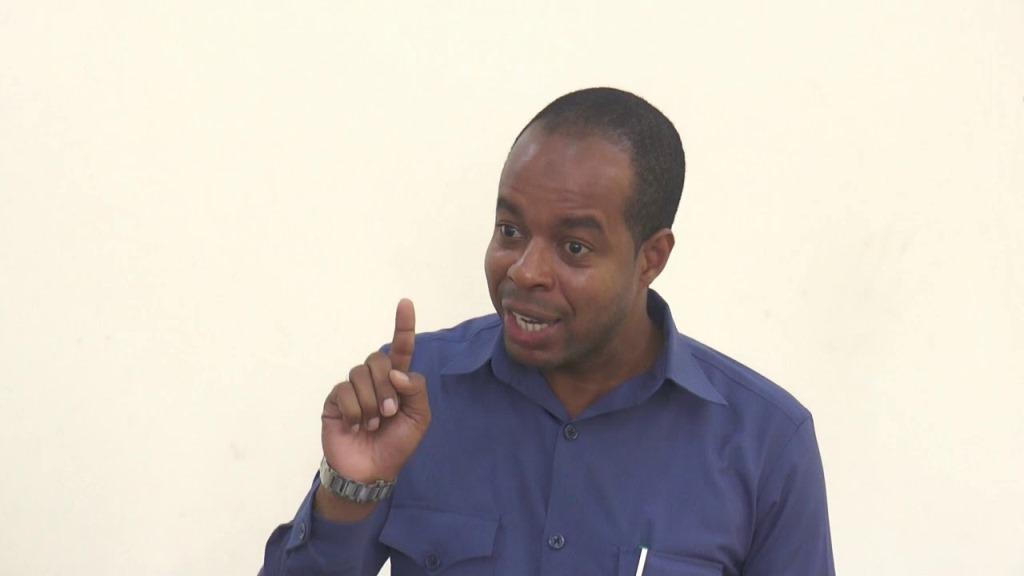
Mr Masoud Ali Mohammed, Minister of State (President’s Office) -Regional Administration, Local Government and Special Departments announced the D-by-D cancellation when he addressed journalists in the presence of senior officers from city, municipal, town and local councils.
He said the move came after the government conducted a thorough assessment on the decentralisation, which revealed several challenges, and therefore necessitating the need to stop and restore the intended responsibilities back to the old practice.
He said the assessment involved listening to views from service providers and the public, especially on their perceptions and challenges that emerged during the implementation of D-by-D.
After the cancellation, the Ministry of Education and Vocational Training gets back its ‘Primary Education’; Primary Health care goes back to the Ministry of Health; and the Primary Agriculture goes back to the Ministry of Agriculture, and Ministry of Blue Economy.
Minister Masoud said further that the feeder roads improvement programme which was being implemented under his office through the road fund finance has also been returned to the Ministry of Infrastructure Development, Communications and Transport.
“All staff members who were operating under his office for the decentralisation programmes will be reinstated in the respective ministries where they previously worked,” he said