

Africa-Press – Tanzania. DETERMINED to improve the health of citizens, Zanzibar government will in the next fiscal year spend over 122bn/- in curative programme.
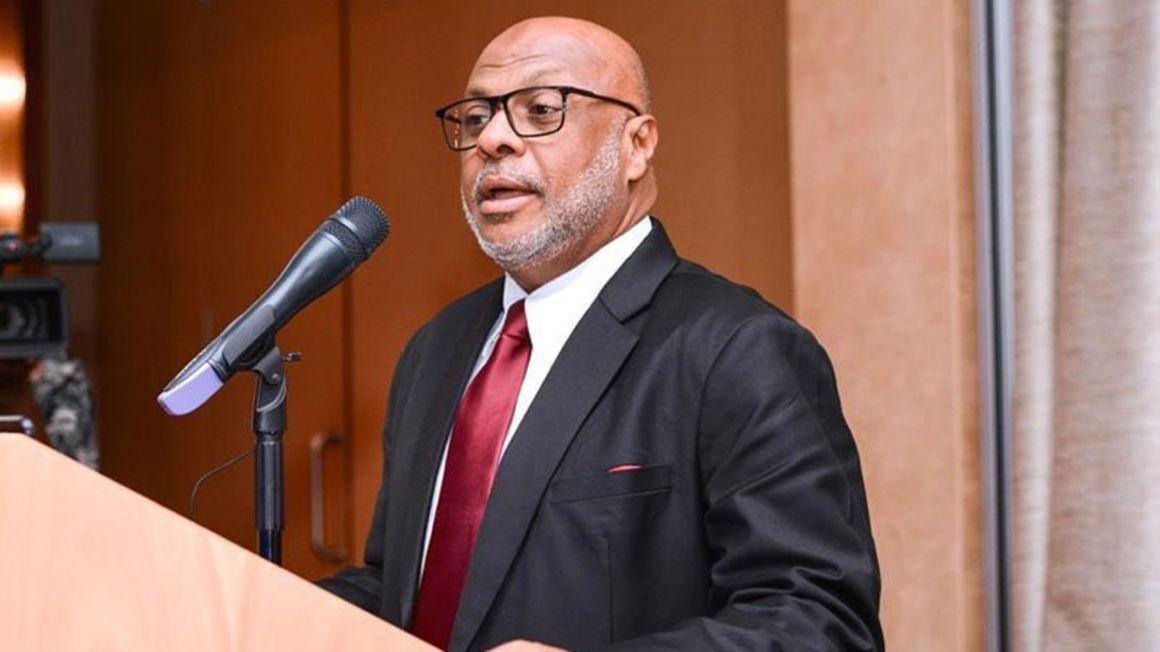
Health, Social Welfare, Elders, Gender and Children Minister Nassor Ahmed Mazrui, moving his portfolio’s 2021/2022 budget estimates in the House of Representatives here yesterday, cited improved hospital infrastructure, availability of medicines and medical devices as next financial year’s priorities.
The minister asked the house to approve 197.87bn/- for the ministry, with the curative and preventive programmes allocated 62 and 17.5 per cent, respectively. The preventive services have been allotted 34.57bn/- to enhance health infrastructure for preparedness and response against disease outbreaks, implementation of social health strategy against communicable diseases and execution of Zanzibar Comprehensive Cholera Elimination Plan (ZACCEP) by 2027.
Under the curative services, the government plans to complete construction of the modern laboratory for Zanzibar Food and Drug Agency, as well as renovate dispensaries, district and regional hospitals. The minister further announced enhancement of public awareness on the use of Deoxyribonucleic Acid (DNA) results in the fight against gender violence cases.
Through the social welfare, gender and children programme, which has been allocated 15bn/-, the government will undertake massive repairs of Welezo and Sebleni elders’ homes; administer the social pension payments and promote gender equality as well as empowering women economically.
Minister Nassor told the house that Zanzibar has 7,185 people—2,241 males and 4,944 females—living with HIV/AIDS, with 7,111 of them or 99 per cent of all victims taking Antiretroviral (ARVs). He further said out of 46,050 pregnant mothers who tested during their clinic attendances, 71 or 0.2 per cent of them tested positive to HIV/ AIDS, with 66 mothers given ARVs.
However, 213 children born with HIV infected mothers were subjected to DNAPCR tests, with three of them found with HIV/AIDS, the minister told the house. On malaria situation in the country, the minister said 1,630,320 people attended various hospitals and health centres during the July 2020— March 2021 period, with 6,626 patients testing positive to the deadly disease.
Areas with many malaria cases were identified as Urban, West A and West B districts in Urban West region. Climate change and heavy rains are to blame for increasing malaria cases, the minister said.
The House Committee on Social Welfare decried acute shortage of manpower and medical devices in many hospitals in the country, challeng the government to address the problem. The Committee Chairman, Mr Yahya Rashid Abdulla faulted the construction of Binguni referral hospital, saying the project has taken too long with colossal amount of money already invested since 2018.
He said the ambitious project was allocated about 4bn/- in the 2018/2019 fiscal year and 6.5bn/- in the 2019/2020 fiscal year.
“The committee is saddened by slow pace of this project despite the billions of money, which the house has been approving in different years,” charged the committee chairman.