

Africa-Press – Tanzania. ✏️ *Content*
THE Tanzania Shipping Agencies Corporation (TASAC), has cautioned maritime officials to avoid conducting vessel inspections while in deep waters along Lake Victoria, instead should conduct the exercise on land.
Equally, the institution has cautioned fishermen against boarding unlicensed vessels that are in violation of current maritime laws. The Officer-in Charge at TASAC Geita Regional Office, Mr Godfrey Chegere, highlighted that the individuals who engage in this risky behaviour are not only endangering their own lives, but also causing undue strain on rescue organisations.
Mr Chegere, also urged fishermen and water transport operators to ensure safety of passengers by wearing life jackets. He made the remarks recently during a stakeholders’ meeting held in Muleba District, Kagera Region.
“TASAC has received reports indicating that some of the maritime officials have been conducting vessel inspections on deep waters along Lake Victoria. This posed a security risk to lives of passengers. This exercise should instead be conducted on landing sites,” he said.
He said passengers must strictly adhere to all safety protocols when boarding licensed vessels and emphasised the importance of verifying the validity of vessel licenses for the safety of all passengers and crew members.
“Ensuring that the vessels are properly licensed is meant to enhance the safety precautions and guarantee that there will not be any hazardous risks during the journey,” he said, adding that hence, it is crucial to prioritise the safety of everyone participating in the boating experience.
Mr Chegere noted that reports indicate that marine vehicles registered to carry cargo have continued to carry passengers, thus endangering people’s lives.
“It is imperative that vessel owners and operators adhere to the conditions of their licenses by refusing passage to passengers and instructing them to stop boarding cargo ships and boats. Such compliance is crucial in ensuring public safety, and those who fail to comply must be held accountable,” Mr Chegere said.
Several fishermen (names withheld), raised a concern that some of the maritime officials have been conducting vessel inspections on deep waters along Lake Victoria claiming that the vessels engaged in the smuggling of juvenile fish.
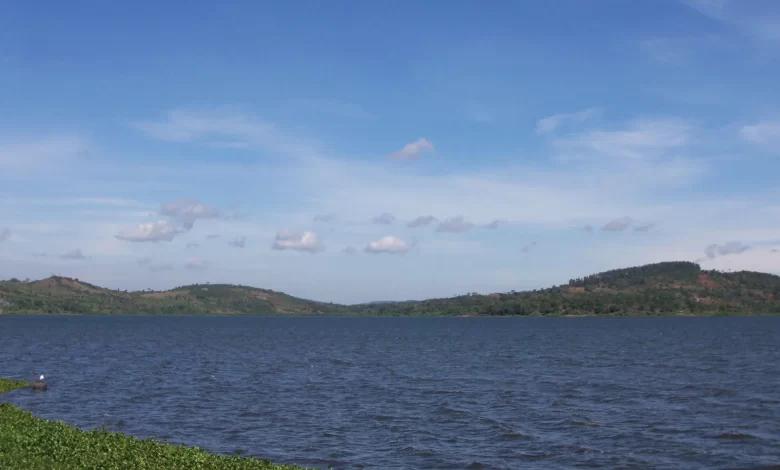
Lake Victoria is not merely a body of water; it is a regional lifeline. Covering nearly 68,800 square kilometres, it is the world’s second-largest freshwater lake by surface area and is shared by three countries; Tanzania, Kenya and Uganda Tanzania owns approximately 51 per cent of the lake’s surface area, making it the single largest custodian of this vital resource.
The lake supports the livelihoods of more than 47 million people, many of whom rely directly on fishing, fish processing, transportation and related activities. Lake Victoria is a critical source of water for domestic use, irrigation and industry.
It facilitates regional trade and transport, generates hydroelectric power down-stream and plays a crucial role in climate regulation and biodiversity conservation across the East African region. Economically, the lake hosts one of the world’s most productive freshwater fisheries.
It produces more than 1.5 million tonnes of fish annually, dominated by species such as Nile perch, tilapia and sardines. The annual market value of this catch is estimated at 1.1 billion US dollars, with a significant portion destined for export markets in Europe, Asia and the Middle East.
For More News And Analysis About Tanzania Follow Africa-Press