

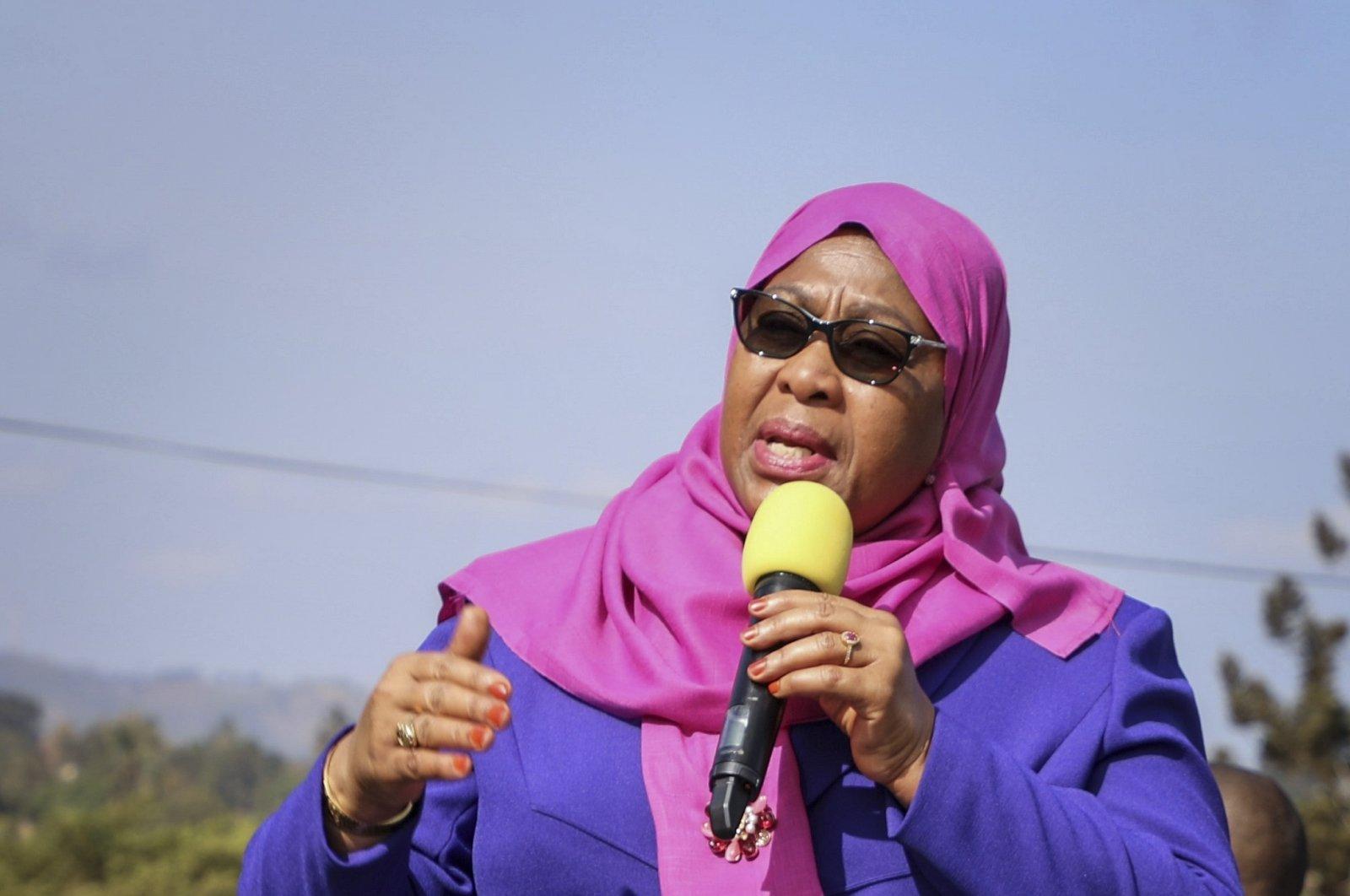
Africa-Press – Tanzania. GLOBAL leaders, including President Samia Suluhu Hassan are currently convening in Glasgow, Scotland for the UN climate change summit which will attract the eyes of the world.
Known as the Conference of the Parties (COP26), the annual UN climate change conference brings together governments to make crucial decisions about what they will do about the climate crisis.
Environmental experts state that this COP26 is particularly critical because it is clear from the latest climate science that countries are still way off track to meet the targets outlined in the Paris Agreement. Paris Accords or the Paris Climate Accords, is an international treaty on climate change, adopted in 2015.
It covers climate change mitigation, adaptation, and finance. The Agreement was negotiated by 196 parties at the 2015 United Nations Climate Change Conference near Paris, France.
The global treaty on climate change outlines the steps that governments agreed to take to reduce emissions and help people adapt to a warmer world, so they could build a sustainable future. Under the accord governments pledged to keep the rise in global average temperatures to well below 2 degrees – preferably 1.5°C – above pre-industrial levels.
As global leaders are convening for another UN Climate conference reports around the world show countries aren’t doing enough to meet this pledge.
According to the UN, the examined and analysed numbers show even if one combines all the current climate commitments from different countries, they will still put the world on track for 2.7°C of warming by the end of the century.
The climate crisis affects every corner of the planet – from the poles to the tropics, and from the mountains to the oceans. Environmentalists say to meet the targets in the Paris Agreement, governments need to do more to tackle the climate crisis and find ways they can adapt to the reality of living on a warming planet.
As world leaders convene in Glasgow, Africans should understand that they are the ones bearing the brunt of climate change, a phenomenon which is caused by global warming.
United States, European Union, China, and India constitute two third of global energy demand. They also produce two-third of the world’s greenhouse gas emissions and possess two-third of existing nuclear power plants, meaning that now they must step up to the challenge.
Going by the experience, everyone has suffered the consequences of climate change: from erratic rains to floods and from dry spells to cold weather. Global leaders should understand that time is running out to address climate change. Radical decisions must be made to provide effective responses to the present ecological crisis.
For More News And Analysis About Tanzania Follow Africa-Press