
Africa-Press – Tanzania. TANZANIA, Kenya and other haemophilia stakeholders have resolved to have sustainable funding for haemophilia and other blood disorders from respective governments in order to provide quality care to patients.
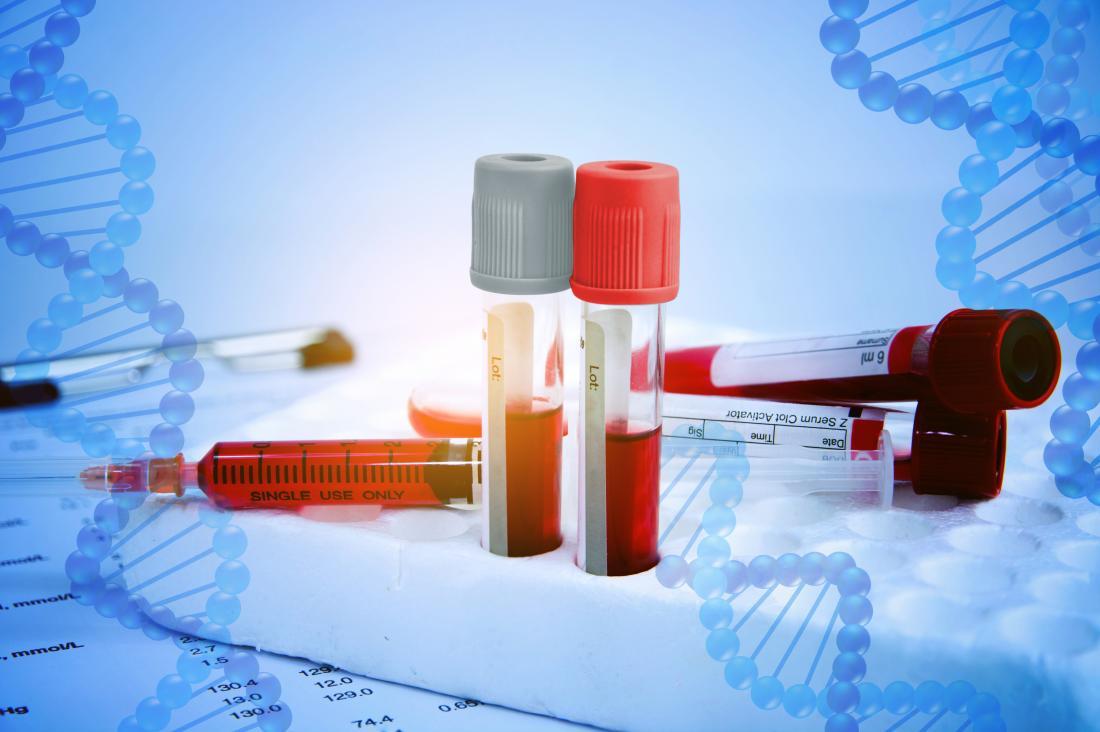
According to experts, haemophilia is an inherited bleeding disorder that slows the blood clotting process. People with this condition experience prolonged bleeding or oozing following an injury, surgery, or having a tooth pulled.
The Muhimbili National Hospital is implementing a three-year haemophilia project aimed at accelerating public access to blood disorder care in the country.
The project is also being implemented in Kenya. A series of meetings held from November 15 to 18 in Dar es Salaam this year agreed that although donors’ support is crucial in initiating or improving care and treatment to patients, sustainable funding from respective governments was also critical for having sustainable services.
The meetings involved Tanzania and Kenya ministries of health, haemophilia management committee of Muhimbili National Hospital (MNH), Kenya Haemophilia Association and Haemophilia Society of Tanzania.
Briefing journalists about the meetings’ resolutions a Haematologist at MNH, Dr Stella Rwezaura, who is also the Project Coordinator, said the cost of heamophilia treatment and screening are high, imposing huge burden to patients.
She said that in addition to government funding the meetings agreed that international community should also be involved so that it can offer more support to reduce the burden to patients who cannot afford treatment.
She further said that participants also agreed that services to haemophilia and other patients with blood disorders should be guided and provided through the health ministries in Tanzania and Kenya.
Dr Rwezaura also noted that other agreements include strengthening cooperation between health ministries in Tanzania and Kenya, incorporating haemophilia and other blood disorders in a list of non communicable diseases and government strategic plan in order to raise awareness and performance of policy makers.
“Both countries have also agreed to share expertise through a medical advisory committee formed by the two countries,” Dr Rwezaura said.
She said that the meetings also stressed the need for developing and improving patients records by having a data base which is crucial in decision making.
On his part, Kenyan Project Coordinator who is also a Lecturer at University of Nairobi Dr Kibet Shikuku said the cooperation between the two countries was aimed at making sure that haemophilia and sickle cell patients receive quality services.
“It is also our desire to have similar standards between the two countries so that our patients can access quality services,” he said.
He also said that although haemophilia and sickle cell is among the neglected diseases, through the cooperation they can convince both governments to give attention to the diseases.
She called upon the two governments to consider setting aside budget for haemophilia and sickle cell patients. Dr Shikuku noted that many patients are yet to be identified both in Kenya and Tanzania, thus more efforts are needed to reach unidentified patients and put them on treatment.
A representative from Novo Nordisk Foundation (NNF) and Novo Nordisk Haemophilia Foundation (NNHF) Keneddy Alwala commended Tanzania and Kenya for achievements attained in a one -year life of a project and pledged for continued cooperation in execution of the project.
Statistics from Muhimbili National Hospital (MNH) indicate that the cost of drug therapy for a person with haemophilia is 240m/- per year while one in every ten people has haemophilia.
Basing on the Tanzania’s population, people with haemophilia are estimated to be between 6,000 and 12, 000 and evenly distributed in the country, while those who have been diagnosed and have started treatment are 167.
For More News And Analysis About Tanzania Follow Africa-Press