
Africa-Press – Tanzania. AUTHORITIES in Zanzibar are investigating an importer who was implicated in the importation of containerized elevated radioactive materials which were intercepted in Mombasa Port, Kenya, des-tined for the Indian Ocean semiautonomous archipelagos.
Reports had it that the container was loaded in India by a trader under a company name Shipper Prama Exports Lim- ited c/o B117 Avon Arcade based at Maharashtra State in Dj Road Mumbai and was to be received by Hafidh Ali Ha- mad in the Isles.
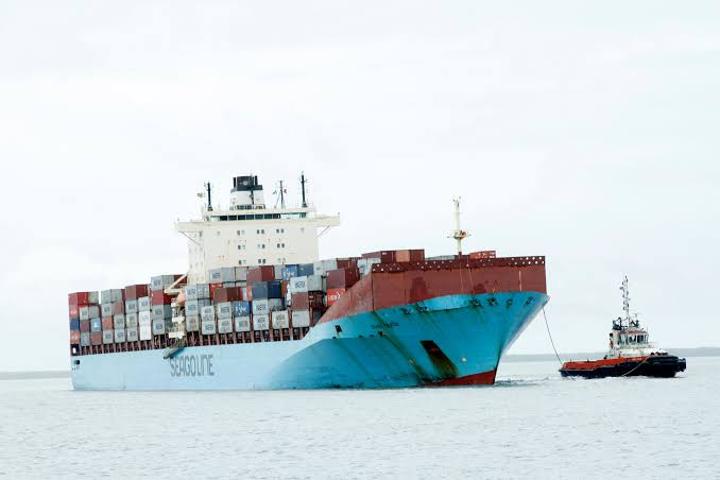
The consignment was aboard the MV Seago Piraeus docked at the Mombasa Port on December 13 from Salalah Port in Oman with 4,196 containers.
After scanning, a 20 feet- container with identifica- tion number TCKU3337296 showed high radiation levels, forcing the port to isolate it.
Speaking to the ‘Daily News’ yesterday, Zanzibar authorities said investigations were underway to find out people linked to the attempted importation of the radioactive materials without following the required procedures, and legal action will be taken against anyone involved.
Mr Rashid Khamis, an offi- cial with the Zanzibar Shipping Corporation said: “according to the law, any foreign ship must inform us about its way to Zanzibar. We had no information about the coming of MV Seago Piraeus mentioned in the radioactive materials saga.”
“Any illegal entry to Zan-zibar is dealt with according to the law, and all ships and agents are warned against entry without permit,” Mr Khamis said.
The TAEC Director Gen- eral Prof Lazaro Bussaga, said they were preparing a detailed statement over the matter to share with the public.
However, the TAEC earlier yesterday issued a statement saying the vessel which was alleged to be carrying nuclear waste has since been diverted to Oman.
According to a statement availed to the Media, the ship has docked in the Middle East country. The ship was earlier this week reported to be heading to Tanzania after it had initially docked at the port of Mombasa.
The vessel which is said to have originated from Mumbai, India is believed to have been loaded with harmful nuclear waste that was to have been dumped on the East African coast, endangering the health of millions of people in the re- gion.
But through the statement undersigned by the commission’s Acting Director Justin Ngaile, TAEC said it had kept tabs with the ship loaded with a nuclear consignment number TCKU3337296 through the Kenya Nuclear Regulatory Au- thority (KNRA).
“Upon liais- ing with Kenyan authorities, we di- rected the vessel to return to where it came from and by yesterday mid- night, the ship had already docked at Salalah port in Oman,” clarified Dr Ngaile.
The TAEC senior official allayed fears that the vessel had reached Tanzania. “We however remain vigi- lant and the government will continue tightening the noose on the illegal importation and smuggling of nuclear wastes through our sea ports and borders,” he assured.
The Arusha-based com- mission further assured mem- bers of the public that TAEC would continue ensuring that all regulations and guidelines pertaining the use of nuclear technology are adhered to.
It equally appealed to all traders engaged in the impor- tation of nuclear technology to comply with the rules and regu- lations stipulated by TAEC.
It was earlier reported that the cargo on board the ship was disguised as padlocks and other hardware items, and was detained after Kenya’s Health ministry raised the alarm that it was carrying radioactive mate- rial.
Officials investigating the matter said the ship sailed to Kenya from Mumbai, India, and was en-route to Tanzania.
On Tuesday, Kenya de- fended herself on its move to stop a cargo ship en route to Tanzania, saying the decision is within the international treaty to protect Africa from the im- port of harmful waste. It maintained that the move was in line with the Bamako Convention, which prohibits the import into Africa of any hazardous materials, including radioactive waste.
The Convention was adopted under the auspices of the Organisation of African Unity in 1991 (now African Union) and came into force in 1998 and calls for the ban of the import into the continent and the Control of Transboundary Movement and Management of Hazardous Wastes within Africa.
For More News And Analysis About Tanzania Follow Africa-Press