
What You Need to Know
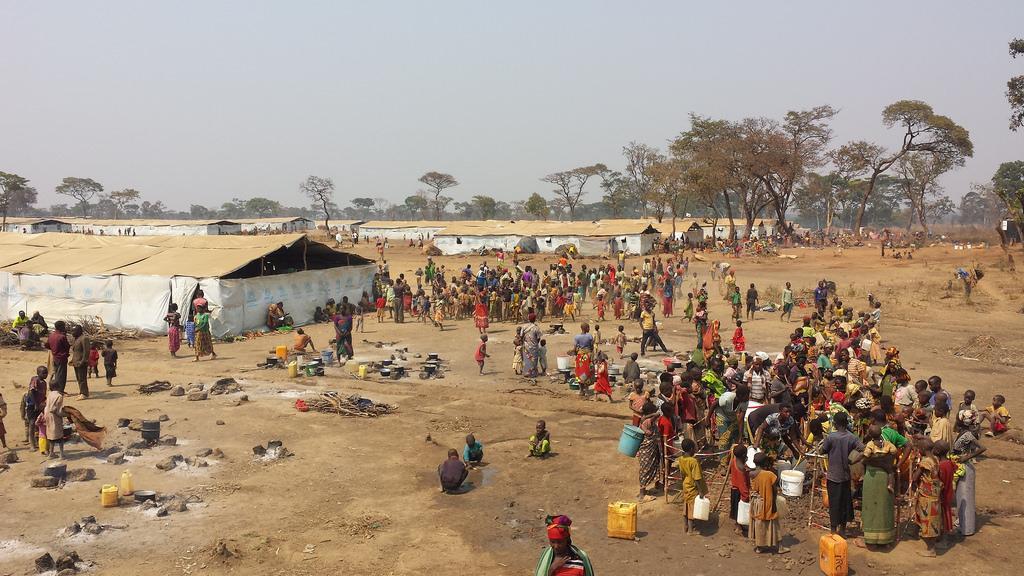
Thousands of Burundian refugees are voluntarily returning home from Tanzania’s Nduta and Nyarugusu camps. They express gratitude for the support received during their stay, emphasizing that their return is not coerced. The Tanzanian government is committed to ensuring a safe and dignified repatriation process, in line with international standards.
Africa-Press – Tanzania. THOUSANDS of Burundian refugees who had been residing at the Nduta Refugee Camp in Kibondo District and the Nyarugusu Refugee Camp in Kasulu District, Kigoma Region, are continuing to return to Burundi voluntarily.
The refugees have expressed appreciation to the government of Tanzania for providing them with shelter and essential services during their stay.
According to them, their decision to return home has not been influenced by any form of coercion or pressure, nor have they been denied access to basic services, including food, as a way of forcing their departure.
Speaking on different occasions, several of the returnees expressed joy at going back to Burundi, saying they are eager to take part in rebuilding their nation.
“I am grateful to the government of Tanzania for the time I have spent here, and I believe my life will be better now that I am returning to my own country. As the saying goes, ‘One who rejects their homeland is a slave,’ and returning home is an honour because it restores our identity,” said Mr Uwase Nshimirimana.
Commenting on the repatriation process, the Assistant Coordinator of the Refugee Services Department for the Western Zone, Mr Novatus Panda, dismissed reports suggesting that the refugees were being forced to return or denied food.
He reaffirmed that the World Food Programme (WFP) has continued to provide food assistance to refugees in the country without interruption.
According to government directives, the Nduta Refugee Camp is scheduled to be officially closed by March 31, 2026, while the Nyarugusu Refugee Camp is expected to cease hosting Burundian refugees by June 2026.
The announcement further indicates that refugees who opt for voluntary return will be allowed to dismantle their shelters and carry with them construction materials to assist in rebuilding their lives upon returning to Burundi.
Recently Tanzania reaffirmed its commitment to ensuring that the ongoing repatriation of Burundian refugees is conducted in a voluntary, safe and dignified manner, in line with national and international legal frameworks.
In an official clarification addressing recent concerns, the Director of Refugee Services in the Ministry of Home Affairs, Mr Sudi Mwakibasi, said the country’s refugee policy remains grounded in a long-standing tradition of hospitality, solidarity and respect for human dignity, principles that have guided Tanzania since independence.
“Tanzania remains fully committed to ensuring that every repatriation is voluntary, safe and conducted with dignity. We are working closely with UNHCR and the Government of Burundi to ensure refugees make informed decisions and return under conditions that fully respect their rights and well-being,” he said.
Mr Mwakibasi noted that Tanzania’s record in refugee protection is consistent with regional and international obligations, as well as the spirit of good neighbourliness and strong historical ties with Burundi. He explained that whenever conditions in Burundi improve, Tanzania has consistently supported voluntary repatriation as the most practical and sustainable solution.
A key milestone in this effort was the 2001 Tripartite Agreement between Tanzania, Burundi and the United Nations High Commissioner for Refugees (UNHCR), which facilitated the safe return of hundreds of thousands of Burundians between 2002 and 2012.
“Those who chose to remain were granted naturalisation, an unprecedented move widely recognised as a testament to Tanzania’s humanitarian commitment,” he said.
The current repatriation exercise, which focuses on refugees who fled Burundi in 2015, follows similar structured and internationally recognised frameworks. The programme was revitalised in 2017 through a Tripartite Commission agreement reaffirming voluntary repatriation as the preferred long-term solution.
Recent joint assessments by Tanzania and UNHCR indicate that the majority of refugees are no longer in need of international protection, with concerns now largely centred on socio-economic factors such as access to land and basic services rather than security threats.
Tanzania has a long history of hosting refugees, particularly from neighboring Burundi. The country has maintained a policy of hospitality and respect for human dignity since its independence. A significant milestone was the 2001 Tripartite Agreement with Burundi and UNHCR, which facilitated the return of many refugees. This agreement laid the groundwork for ongoing repatriation efforts, particularly for those who fled during the 2015 crisis in Burundi. The current repatriation process is part of Tanzania’s commitment to support refugees in returning home safely and voluntarily.