
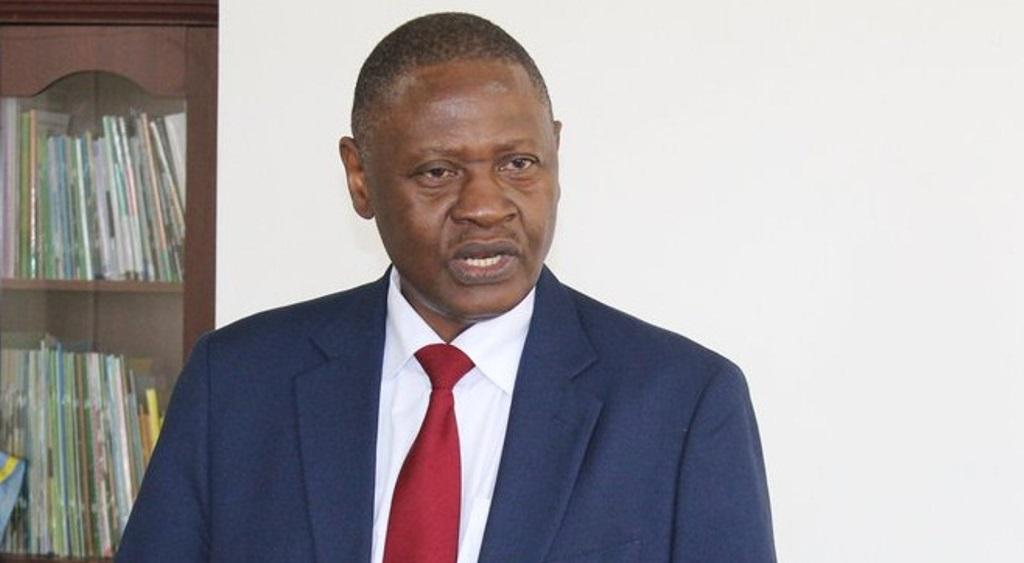
Africa-Press – Tanzania. THE Chief Justice, Prof Ibrahim Juma has warned judicial officers and other stakeholders in the legal fraternity, who delay lawsuit that they are the main sources of civil cases piling up in various courts in the country.
Prof Juma noted that lengthy and unreasonable adjournments of court cases by judicial officers, on one hand and unnecessary objections raised by advocates contribute to delays in dispensing justice, and must come to an end.
Elaborating, the Chief Justice said some instances have proved that even some government officials, who are not aware of the judicial procedures, do contribute in delaying cases as a result of pieces of advice they provide.
“Since this is a very important meeting for justice stakeholders, it is my hope that you will come up with resolutions on how best to end this problem,” he said, while opening the National Bench-Bar Case Management Committee first meeting in Dar es Salaam.
In the meeting attended by Principal Judge, Dr Eliezer Feleshi as well as other Judges in Charge of High Courts Zones and Divisions, Attorney General, Court Administrator and Chief Registrar of Judiciary of Tanzania, Court of Appeal Registrar and that of High Court, Administrator of Court of Appeal and High Court, he further urged them to start acknowledging the fact that the problem of delays in cases is not currently as a result of shortcomings in the rules, regulations or procedures, but comes from the executives and stakeholders, who enforce the laws, regulations and procedures.
“We Tanzanians, are very good at talking about good things, we are good at issuing statements, directives and instructions in front of the media. We are good at putting in place good development policies, and explaining good results from the laws, regulations and improvements. “But, we have been too slow in implementing and accomplishing, what we set out and also poor at managing what we speak. “We are quick at generating many reasons to defend ourselves once we fail to fulfill what is required by law, regulations and procedures,” he added.
According to the Chief Justice, the Judiciary of Tanzania, as an Arm of State, is a good example of the many improvements made in the realm of Laws and Regulations to guide determination of civil cases and bring great success.
However, he noted that the Judiciary has not reached the level of competition in the management of large investments made in changing the Laws, Rules and Procedures, like the case of using ICT in comparison to other countries.
“One of your responsibilities as Committee members is to understand the improvements led by the Judiciary, and once you understand them, it is your responsibility to advise on how best to apply them in the existing laws and existing IT systems to further improve and fulfill this Committee’s role,” he pointed out.
Equally, Prof Juma urged that in order for the Committee to carry out its responsibilities effectively, it must ask itself and answer the question on the importance of civil cases for the development of the country.
He said that the main objectives of the fifth phase government are to enable the country, which entered the middle income in July 2020, to grow further, adding: “This goal has been expressed in various areas such as in the National Development Vision 2025, which aims to have a strong and competitive economy.”
In his speech while officially opening the Parliament in Dodoma on November 13, 2020, President John Magufuli, hinted at a number of issues, which are delaying civil cases in the country.
He said: “Our goal is to see Tanzania become a better place to do business in the world…in addition to the measures with a view to boosting the economy, fighting poverty and also tackling the problem of unemployment. “…we intend, in the next five years, to place greater emphasis on developing our main sectors of the economy and production, especially agriculture, livestock, fisheries, industry, mining, trade and tourism.
“These sectors are the ones, which employ most Tanzanians and so obviously, if we succeed in improving them, our economy will grow faster and reduce the problems of poverty and unemployment in the country.”