Africa-Press – Tanzania. Citigroup Inc. sees an increased risk of currency devaluations in Africa this year after a relatively stable 2025, as low oil prices pressure economies such as Angola, Algeria and Gabon.
Citi’s chief Africa economist David Cowan noted that currency devaluations were a common feature across the continent between 2022 to 2024, playing out in Nigeria, Egypt, Ethiopia, Zimbabwe and others. While dollar weakness and a mining boom have since offered relief, especially to metal exporters such as Zambia and Ghana, there’s little sign of respite for energy producing nations, as a global crude glut weighs on prices.
In a note outlining the 2026 outlook for Africa, Cowan also named Mozambique and Malawi as countries “vulnerable to significant devaluations,” as they try to comply with policy conditions that would precede joining International Monetary Fund programs.
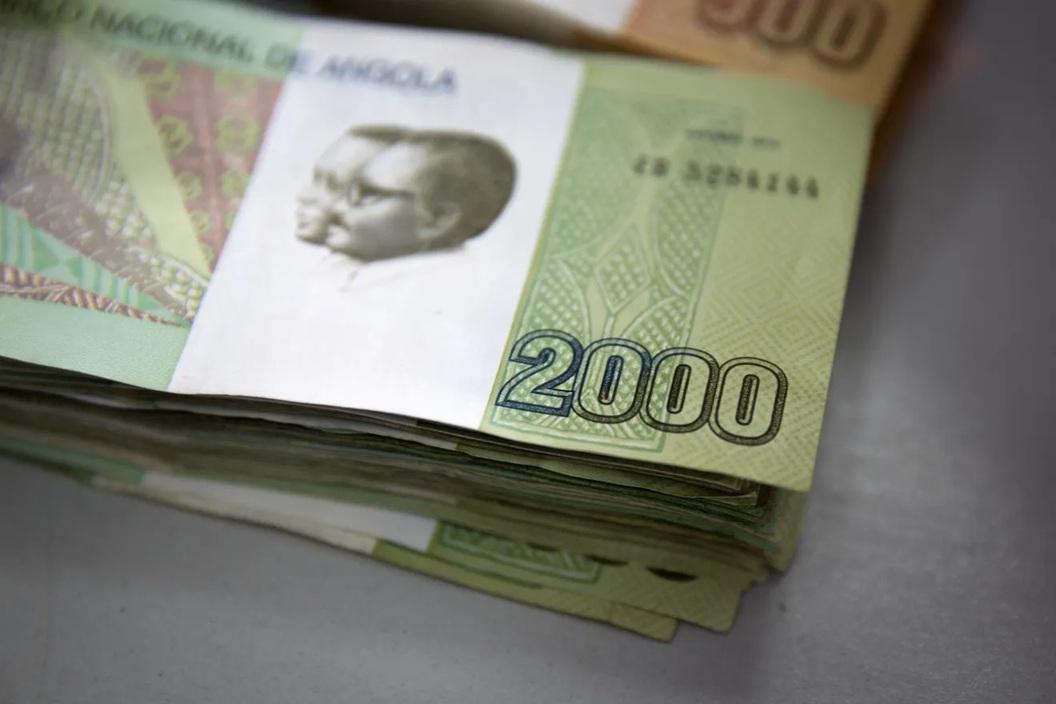
However, he highlighted Angola — where crude contributes more than 90% of export earnings — as among nations most likely to devalue.
“In the case of Angola, it is more likely to be oil-price related,” Cowan wrote, predicting pressure on the kwanza currency if crude drops significantly in 2026. Brent futures currently trade around $62 per barrel, but many strategists see it dropping to about $55, extending last year’s 20% slide.
Cowan said lower oil prices will first reverberate through higher demand for foreign-exchange. Central banks’ response will be to “first run down” foreign exchange reserves rather than quickly devalue. The result will be to “impose new restrictions on the allocation of foreign exchange helping create shortages and potentially significant parallel foreign exchange markets,” he added.
Algeria may also face the same foreign-exchange pressures, according to Cowan, but he noted the Bank of Algeria has managed “a modest rebuilding” of foreign exchange reserves.
That would put it in a better position than countries that are part of the Central African Economic and Monetary Community, and share a common currency, the Central African Franc. CEMAC members comprise Gabon, Equitorial Guinea, Cameroon, Chad, Central African Republic and Congo, most of which are net oil producers.
The CFA franc is pegged to the euro, but Cowan said weaker oil prices mean the risk of contagion is high across the member states, as “the pressure on the currency is likely to build much more quickly.”