

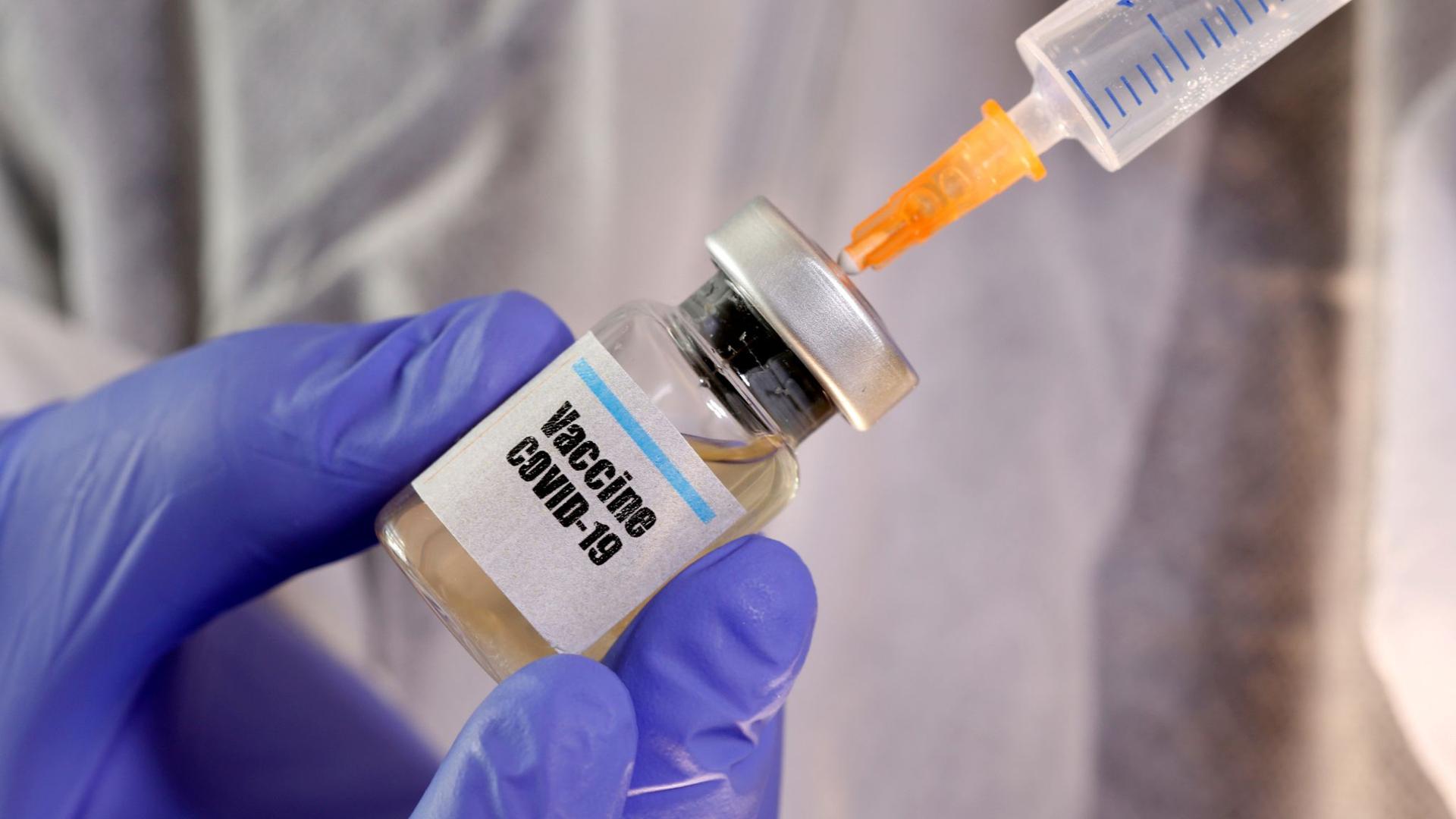
Africa-Press – Tanzania. HEALTH experts in the country have advised that people who are sick with Covid-19 should delay vaccination until they recover, and for those with other diseases, taking the jabs will depend on the severity.
Equally, they noted that individuals with Non Communicable Diseases (NCDs) such as diabetes, hypertension and other cardiovascular diseases, among others can take the vaccine because it is safe for them.
The government is currently rolling out Covid -19 vaccination plan with priority being given to frontline healthcare workers, the elderly and people with underlying health condition.
The experts noted that for other illnesses, taking a case-bycase approach, it depends on the severity of the sickness but in most cases it’s best to wait until it clears.
“Getting the jab while you have tested positive may cause some adverse side effects that you just don’t want to have,” said a Physician-Scientist at the Muhimbili University of Health and Allied Sciences (MUHAS), Dr Maryam Amour.
Dr Amour made the remarks yesterday during a discussion on Covid-19 infections and vaccination in Tanzania organised by Jamii Forums on Twitter Spaces.
She said a patient with an active infection with obvious symptoms should not get vaccinated but should wait until fully recovered because the body is fighting the infection, thus being vaccinated exacerbates a patient’s condition.
According to the Centre for Disease Control and Prevention (CDC), you should be vaccinated regardless of whether you once had Covid-19.
That’s because experts do not yet know how long you are protected from getting sick again after recovering.
Even if you have recovered from Covid-19, it is possible, although rare, that you could be re infected with the virus.
CDC says if you were treated for Covid-19 with monoclonal antibodies or convalescent plasma, one should wait 90 days before getting a Covid- 19 vaccine, and talk to your doctor if you are unsure what treatments you received or if you have more questions about getting a Covid-19 vaccine.
Internal Medicine Specialist with the Muhimbili National Hospital (MNH), Dr Elisha Osati said for those taking pills for their blood pressure or diabetes, the drugs will work just as well even after you get a Covid-19 vaccine, and they won’t diminish the effectiveness of the shot you are getting to ward off the coronavirus.
“Most of the maintenance medications we take go nowhere near the system in your body that the Covid-19 vaccines affect. The disadvantage of not vaccinating is greater than vaccinating,” he said.
Dr Osati said for instance, people with sickle cell disease who developed coronavirus have high rates of hospitalisation, intensive care unit admission, and death, thus crucial for them to get the vaccination.
On claims that Johnson and Johnson’s vaccine develops blood clots, Dr Osati said scientific data available so far shows that people who had such effect were examined and they discovered that some had other health problems.
He said that compared with other health problems, the risk of developing blood clots because of vaccination is tiny and those side effects are rare.
They estimated it to be 0.004 per cent. The expert said quality of life has changed for patients who had severe Covid-19, because they may not do their job or walk long distances, thus vaccination is crucial to prevent severe illness, hospitalisation, and death.
Internal Medicine Specialist with Kilimanjaro Christian Medical University College (KCMC), Dr Norman Jonas said the vaccine stimulates the immune system, often side effects can occur.
Dr Jonas said in the world the speed of vaccination is progressing well, whereby 4.4 billion doses have been administered globally and 40.04 million are administered each day.
Only 1.1 per cent of people in the low-income countries have received at least one dose while 29.7 per cent of the world population has been vaccinated.
“In Africa, there is still no country that has achieved 5 per cent of vaccination because the major nations are in control of the vaccine,” said Dr Jonas.