
Africa-Press – Tanzania. TANZANIA is ready to negotiate with the continent’s traders to reach agreeable prices for its grains to enable other countries offset imported inflation.
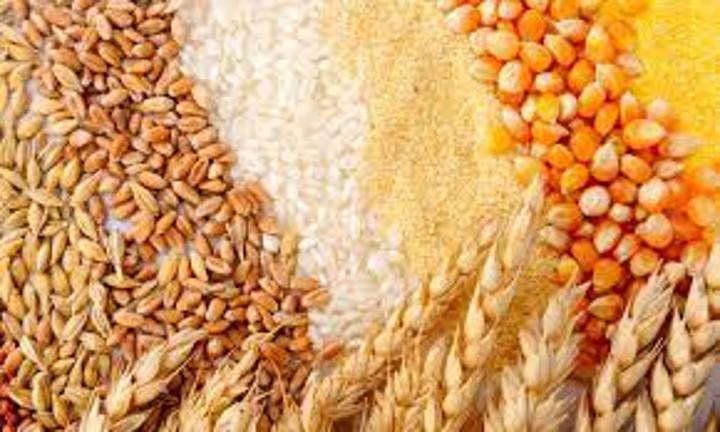
This year, Tanzania has experienced grain bumper harvest especially for crops such as maize, rice and pulses. Tanzanian High Commissioner to Kenya Dr John Simbachawene extended a welcoming hand to grain buyers during the 9th African Grain Trade Summit that opened on Thursday in Diani, Kwale County in Kenya.
“Some participants to the meeting requested Tanzania to consider lowering prices for the cereals. The country is ready to initiate talks even during the on-going event,” Dr Simbachawene told the meeting that was held virtually.
Speaking during the event, Dr Simbachawene said Tanzania produced excessive grain last season especially maize, rice and pulses, saying interested parties in the business should tap the opportunity.
The three -day summit which ends today deliberated on strengthening the resilience of grain value chains at national, regional and international levels.
The summit brought together key stakeholders among them—grain farmers, traders, processors; allied service industries, researchers and the academia, industry experts, government and key policy influencers from both the private and the public sector to engage in meaningful dialogue on how to develop a participatory approach to reinforce the resilience of the grain value chains for a food secure future.
Grain Industries Limited (GIL) Chief Executive Officer, Munir Thabit said regardless of the bumper harvests in Tanzania, Kenya hasn’t made better use of the opportunity, hinting that grievances facing traders at the border significantly affect movement of grains in the continent.
“Trucks staying at the border for four to five days will have an impact on prices because transport will factor that in because it is a loss of opportunity and the waiting time will factor that. “In order to facilitate trade and food security, we need to look at administrative issues in a holistic manner because transporters make money when on the road not when they are parked,” Mr Thabit said.
The grain prices have been going on the upward trend and it is very volatile currently. For instance wheat price last year was trading at around 260,000 US dollars a tonne, currently it is between 360,000 US dollars and 370,000 US dollars a tonne. Uganda Limited’s Farm Director, Emmanuel Asimwe, challenged that if what is produced meets the standards required, then there is no reason maize from Tanzania and Uganda to be rejected at the borders just because of excessive moisture content and aflatoxin.
“Therefore, when we are looking on the value chain, we are not looking on the farmer alone, rather processor, the government in terms certification, regulation and standards and then the markets,” Mr Asimwe said.
The meeting themed “The Future of Grain Trade in Africa: Revitalising Resilience in Grain Value Chains” paid attention to the current setbacks in the value chain and play a critical role in recreating and reshaping the resilience of value chain, which is a crucial component to food security and sustainable food systems.
Eastern Africa Grain Council (EAGC) Executive Director Mr Gerald Masila noted the importance of the summit in the continuity of building sustainable food systems, emphasizing that recovery of the grain sector towards its resilience was inevitable.
“The summit presents an opportune moment to reflect and rightfully refocus our interventions on to getting our food systems running against all odds future disruptions,” Mr Masila said.
The African Grain Trade Summit is a premier, high-level, international grain industry conference that convenes business leaders, policymakers and other critical stakeholders from across Africa and beyond for discussions about key issues and emerging trends pertinent to the grain sector.
The summit typically convened about 300 high-level grain industry stakeholders from across Africa and beyond to shape the business and development agenda for the grain sector in Africa.