

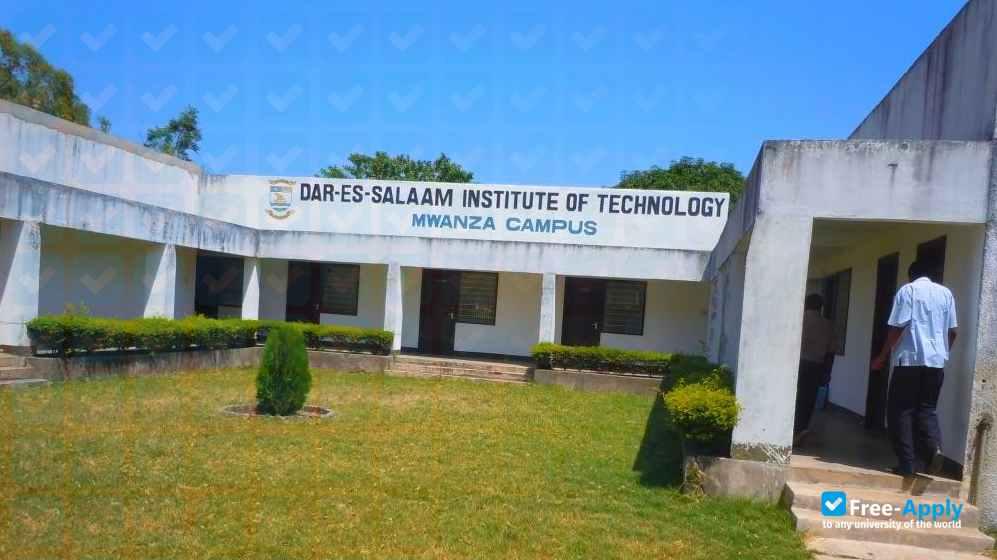
Africa-Press – Tanzania. THE Dar es Salaam Institute of Technology (DIT) – Mwanza Campus has expressed appreciation on the government’s facilitation for it to acquire donor funding to implement various programmes in developing skills.
The donor funding include recent 35bn/- from the World Bank (WB) that helped the institute produce experts for the country’s leather industry, contributing to job creation for majority Tanzanians.
The World Bank funds enabled DIT to implement the five-year ‘East Africa Skills for Transformation and Regional Integration Project (EASTRIP)’ project.
Started in 2019, the project involves construction of modern buildings and purchase of modern leather-related training equipment and teaching aids for producing experts to meet the market demand.
“Over 90 per cent of our graduates have been employed in both public and private sectors, including the Kilimanjaro-based Karanga Leather Industry where over 1,000 graduates have secured jobs,” affirmed the Acting Campus Director, Mr William Lohay, during the leather stakeholders’ meeting on Tuesday.
According to him, the project also involves staff and students exchange programmes in partnership with universities in some countries that have advanced in leather technologies, including Ethiopia, China, India and Italy, a move that helps DIT produce competent graduates.
“But this project also helps us know the market’s demands and produce experts with needed skills. We believe the demand is high especially in this time when Tanzania is building industrial economy,” he insisted.
The acting campus director assured of the campus’ commitment on the production of experts in leather industry since improving both certificate and diploma curricula is part of EASTRIP project, for the same intention of producing employable products in the leather sector, be it for official or self-employment.
Giving employment data, Head of Research Department in the Campus, Mr Juma Magambo, said in 2017, about 78.3 per cent of graduates got employed in public and private institutions and 13 per cent created their own employments.
In 2018, nearly 50 per cent were employed and 20 per cent employed themselves while in 2019 the number of employed went up to 74.2 per cent and 6.7 per cent got self employment