
What You Need to Know
President Dr Hussein Ali Mwinyi of Zanzibar has urged Tanzanians to uphold peace, stability, and national unity during the launch of the 2026 National Independence Torch Run. He emphasized the importance of respecting justice and equality to foster national solidarity and combat issues like poverty and disease, while promoting the torch as a symbol of patriotism.
Africa-Press – Tanzania. THE PRESIDENT of Zanzibar, Dr Hussein Ali Mwinyi, has called on Tanzanians to protect, strengthen and maintain the Union of Tanzania, peace, stability and national unity as the basis for sustainable development.
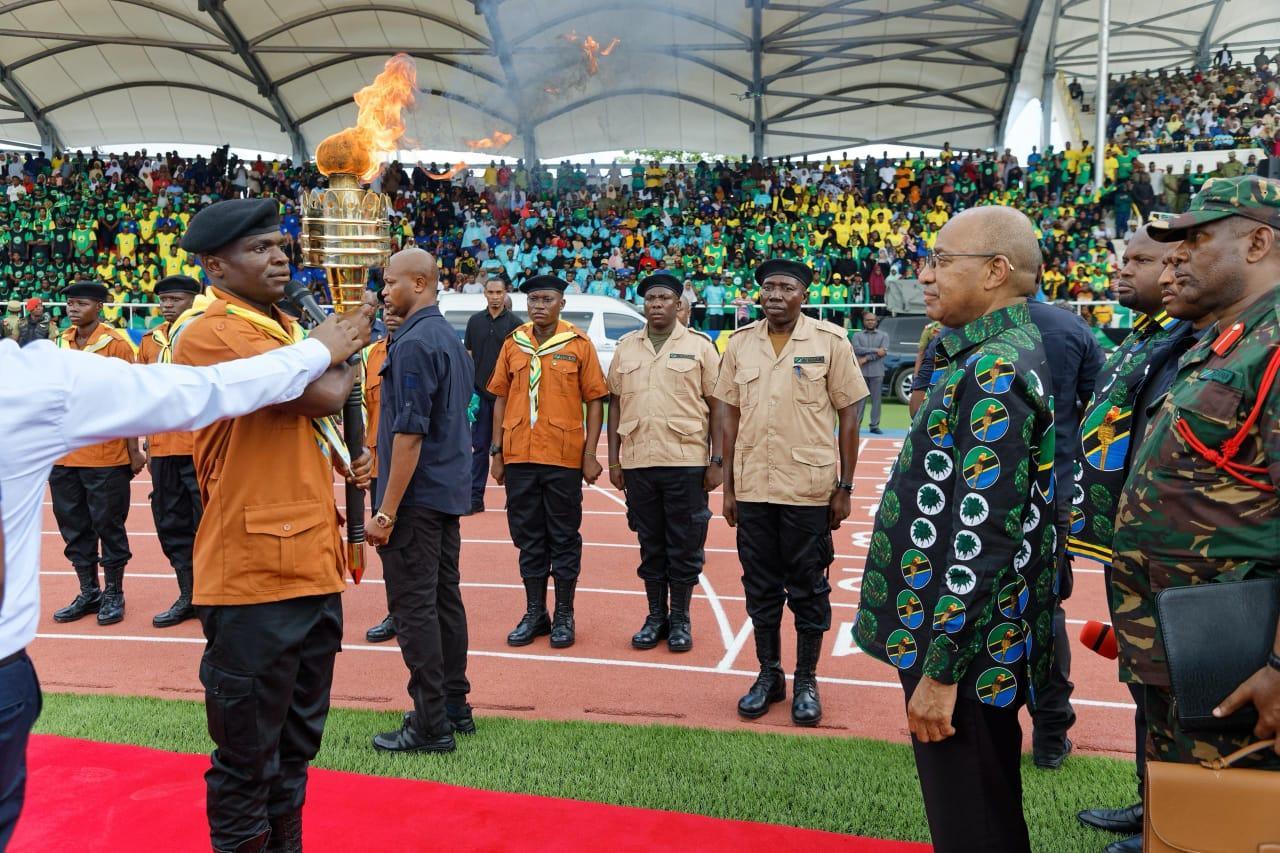
President Dr Mwinyi said this today, April 2,2026, during the launch of the 2026 National Independence Torch Run held at Gombani Stadium, Pemba.
In addition, President Mwinyi said that all institutions in the country and the citizens in general have a responsibility to respect dignity, justice, equality, and the rule of law in order to promote national solidarity.
He explained that the Independence Torch continues to be an important tool to promote patriotism, responsibility, and the fight against the enemies of development, including poverty, ignorance, and disease.
He also urged Tanzanians to oppose any form of discrimination and support the government’s efforts in combating corruption, drugs, and diseases such as AIDS and malaria.
President Mwinyi noted that the government continues to strengthen health services, control drug use, and reduce malaria transmission while emphasizing the importance of cooperation of all stakeholders in achieving national development.
The Torch of Freedom has begun its run in the Southern Pemba Region and is expected to reach its climax on October 14, 2026 in Rukwa Region, with the theme: “Tanzania ni Yetu sote Tushikamane”.
The Uhuru Torch Run is a significant event in Tanzania, symbolizing national pride and unity. Launched in 1961, it serves to promote patriotism and awareness of national issues. The torch’s journey across the country highlights the importance of collective responsibility in addressing challenges such as poverty, health crises, and corruption, fostering a sense of community among Tanzanians. Over the years, it has become a platform for leaders to engage citizens in discussions about development and national identity.