
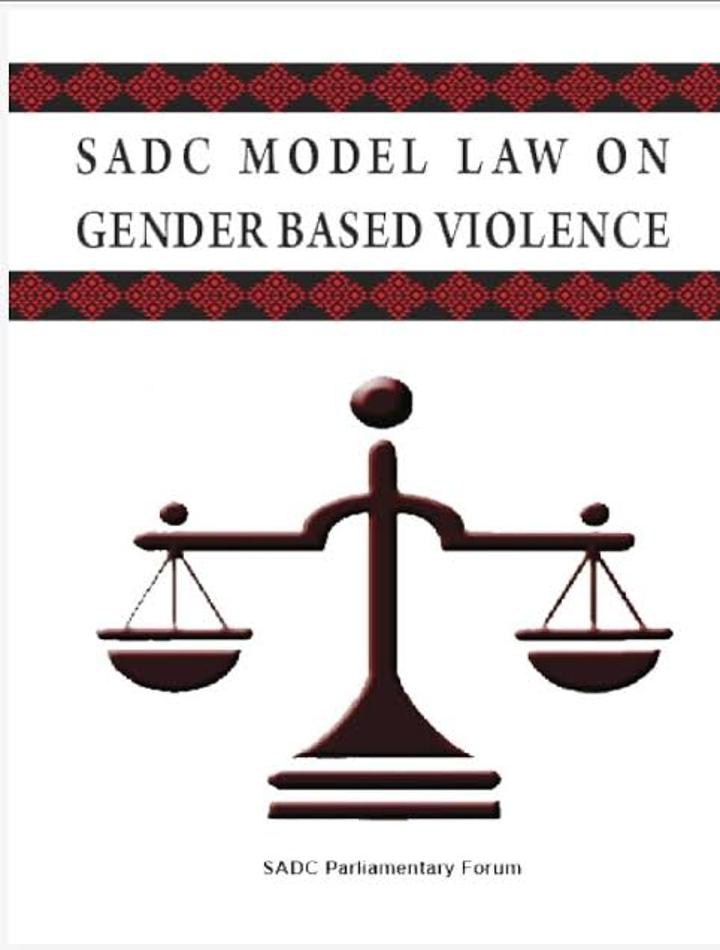
Africa-Press – Tanzania. THE East African Legislative Assembly has commended the adoption of the Southern African Development Community Model Law on Gender-Based Violence.
Chairperson of EALA’s Committee on Regional Affairs and Conflict Resolution, MP Fatuma Ndangiza, delivered a solidarity statement during the “special occasion” of the adop- tion of the SADC model law that aims to curb GBV in the SADC region.
Ms Fatuma delivered the solidarity message, on behalf of EALA, at the 50th SADC Parliamentary forum plenary session.
The SADC Model Law on Gender-Based Violence, she noted, is “such an important le- gal instrument” that provides an opportunity to strengthen synergy with the SADC Parliamentary Forum to “outlaw GBV from our respective regions.”
Ndangiza said: “Gender based violence is a serious concern that constitute gross human rights violation of women’s rights and a threat to peace and security in the African Continent and globally. “
The Model Law is very comprehensive and has best practice provisions that can be adopted by member states or adapted to fit their existing laws.”
The adoption of the SADC Model Law happened a day after the 16 days of activism against gender-based violence themed: “Orange the world: end violence against women now.”
It also took place after a few weeks when DR Congo Presi- dent Felix Antoine Tshisekedi – who is the AU 2021 Chairperson – organised a men’s confer- ence in Kinshasa, on the positive masculinity: Galvanising to end the scourge of violence in Africa.
The high-level event was attended by a number of African Heads of State including President Paul Kagame and former Liberian President, Ellen Johnson Sirlief.
Ndangiza noted that it is well established that sexual and gender-based violence is caused by unequal power relations between men and women, socio- cultural norms that normalise GBV practices and changing gender roles.
Poverty and illiteracy, she said, breakdown of the family unit and support systems, in- security, crisis and conflict and political instability also contrib- ute to sexual and gender-based violence.
“It is very important therefore to ensure that we address the root causes of GBV and tackle all its enabling factors,” Ndangiza said.
“To that effect, Parliament should discharge its mandate to advance gender equality through gender-responsive legislation, equal representation in decision-making, governance and holding our governments accountable on gender commitments.”
According to the UN women, globally, one in three women have been subjected to intimate partner violence or both at least once in their life (30 per cent of women aged 15 and above).
“This figure excludes sexual harassment. Despite a number of interventions against GBV by various stakeholders, the magnitude of GBV, as amplified by the impact of the ongoing Covid-19 pandemic remains at a very alarming level.
The latest figures of UN women confirm that during the pandemic, levels of violence against women and girls have increased,” she said.
For More News And Analysis About Tanzania Follow Africa-Press